
Last updated November 22, 2026
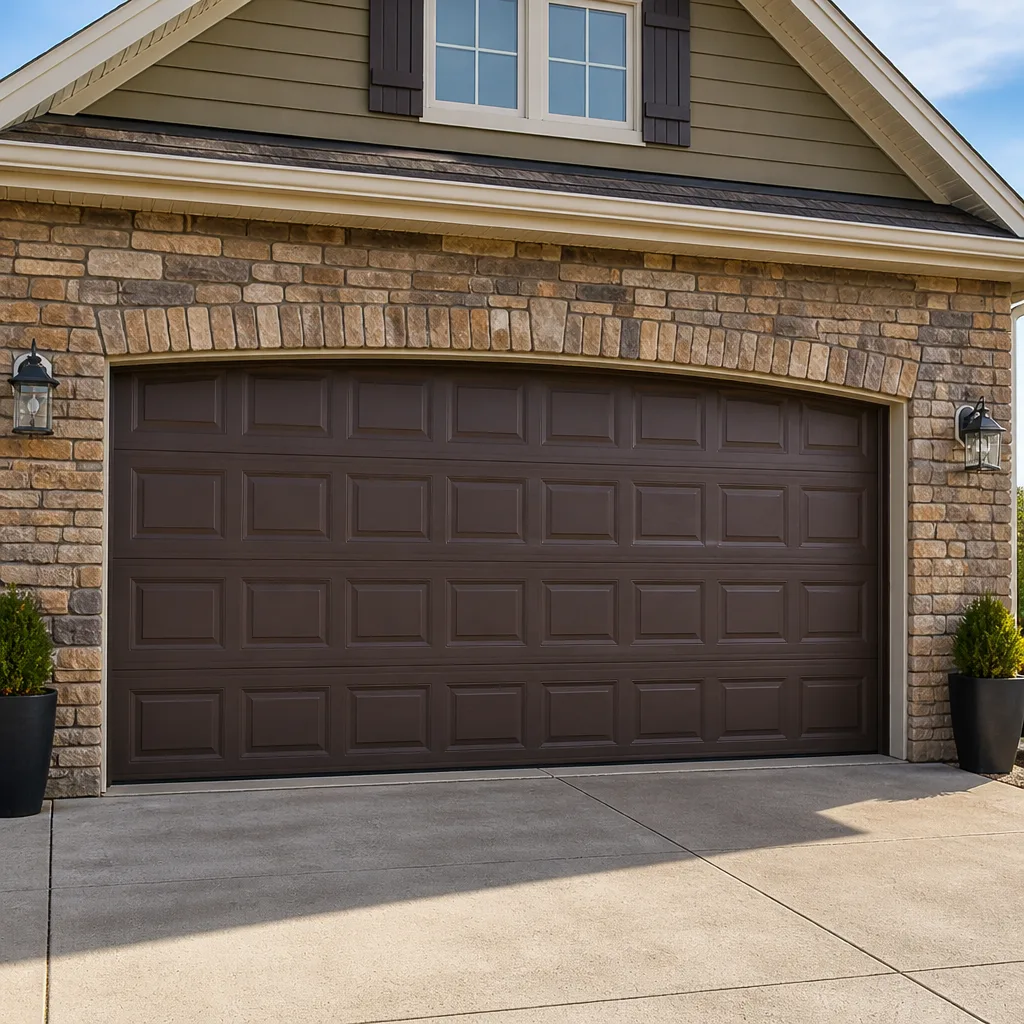 Raised-panel steel
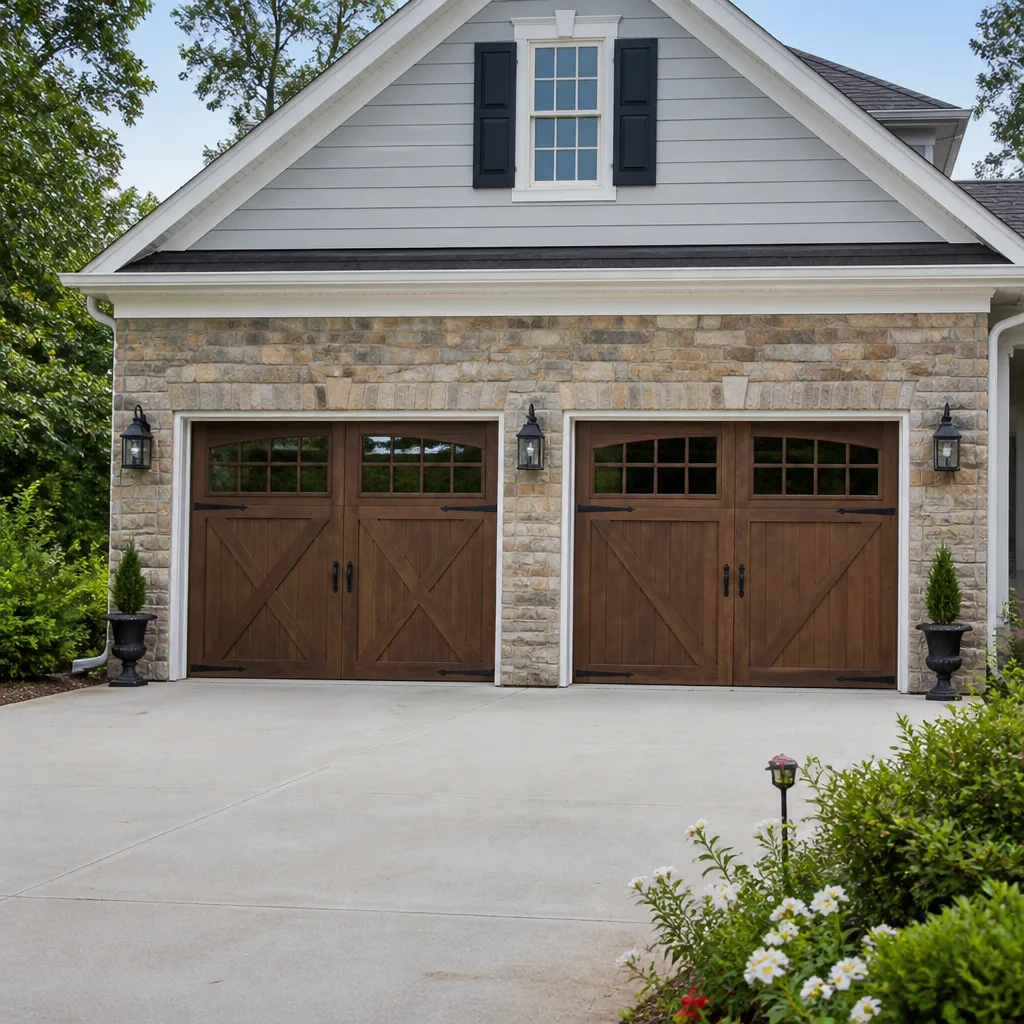 Carriage house
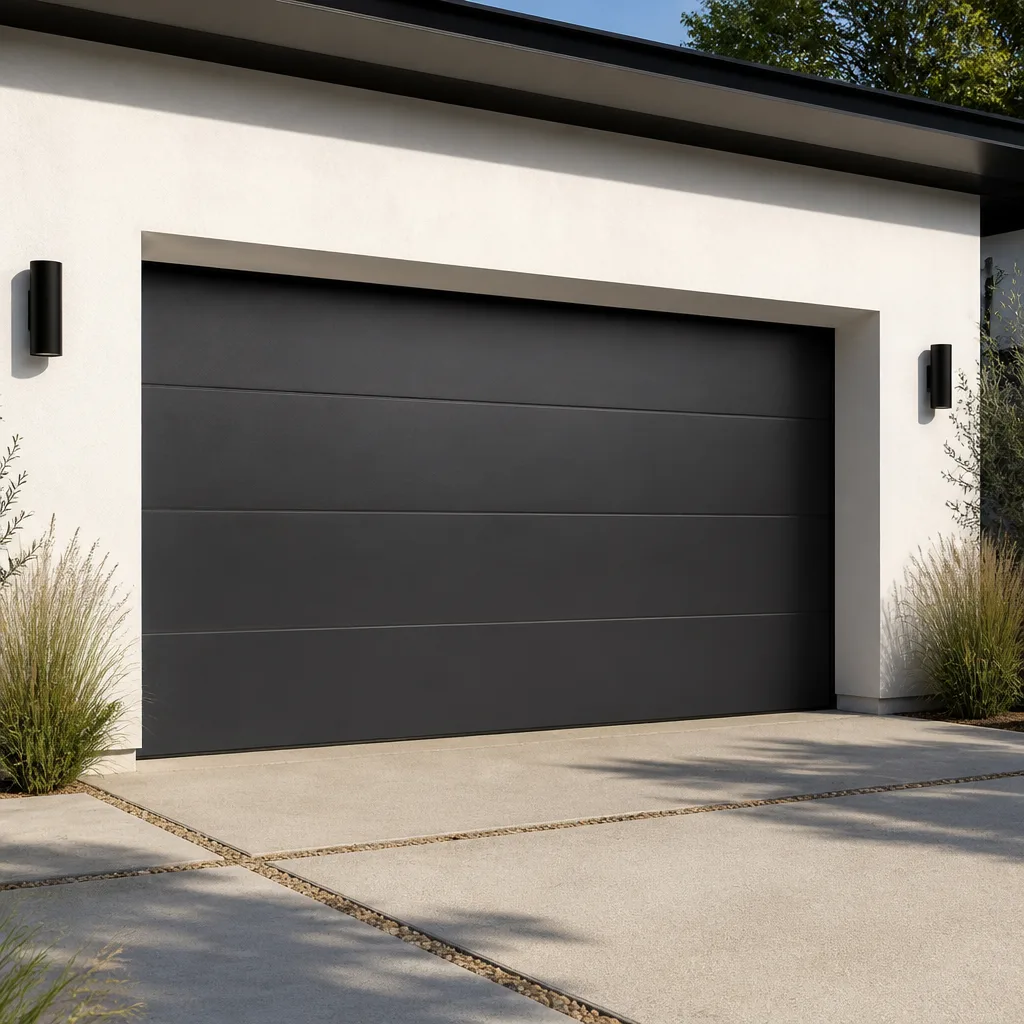 Modern flush
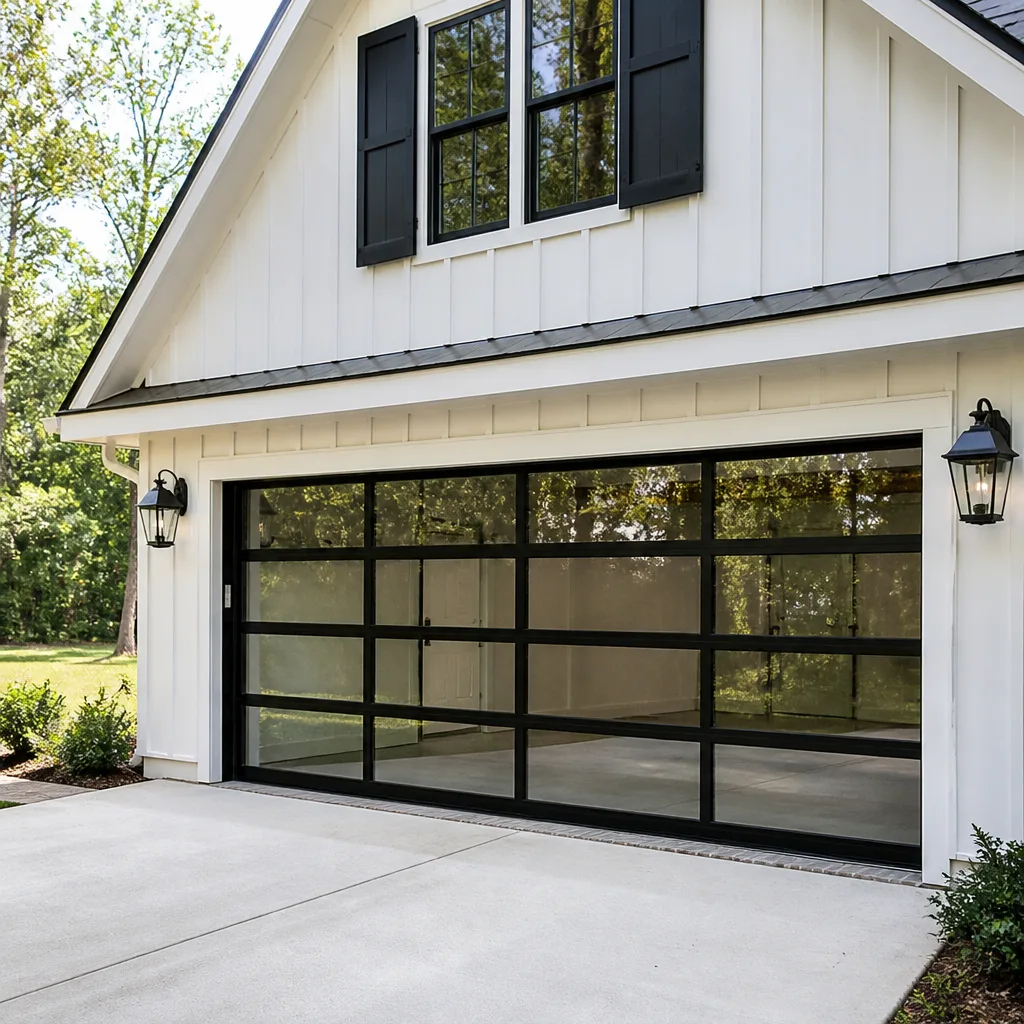 Full-view glass
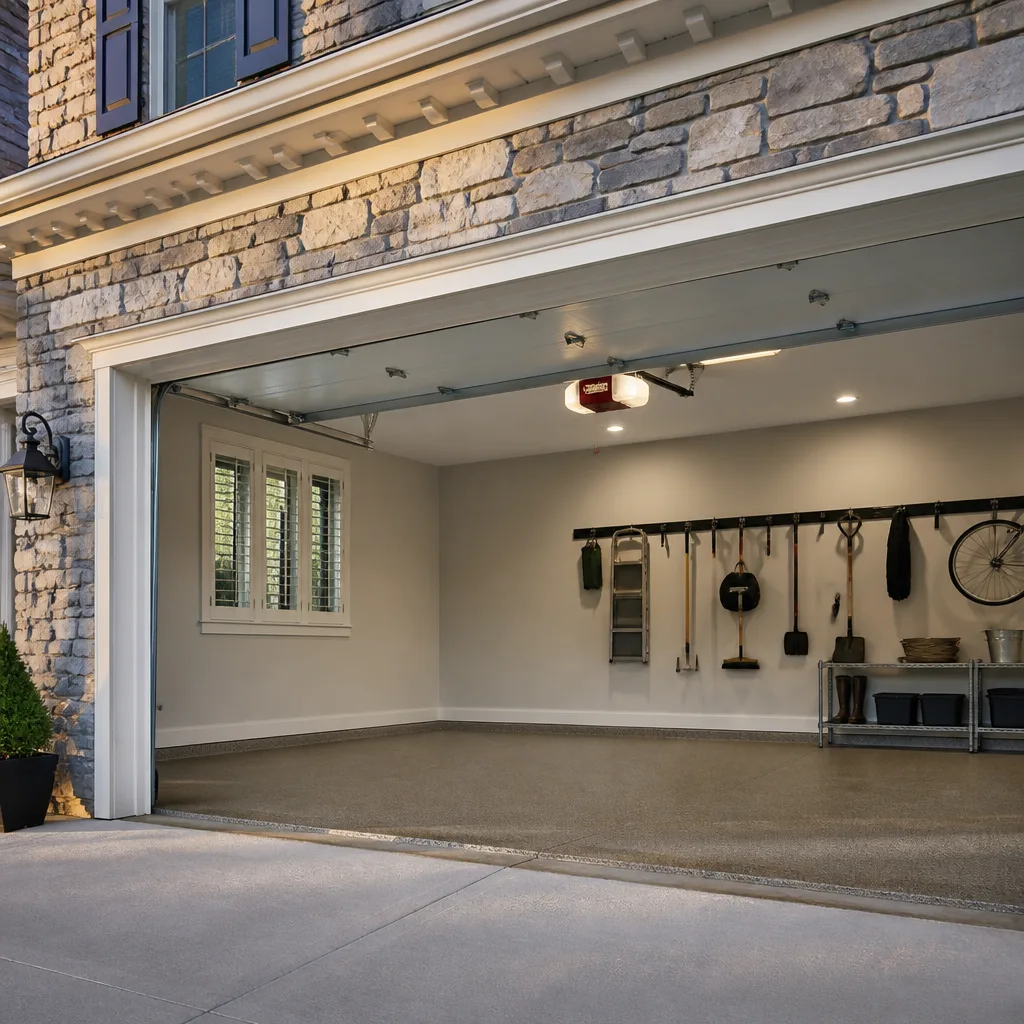 LiftMaster openers
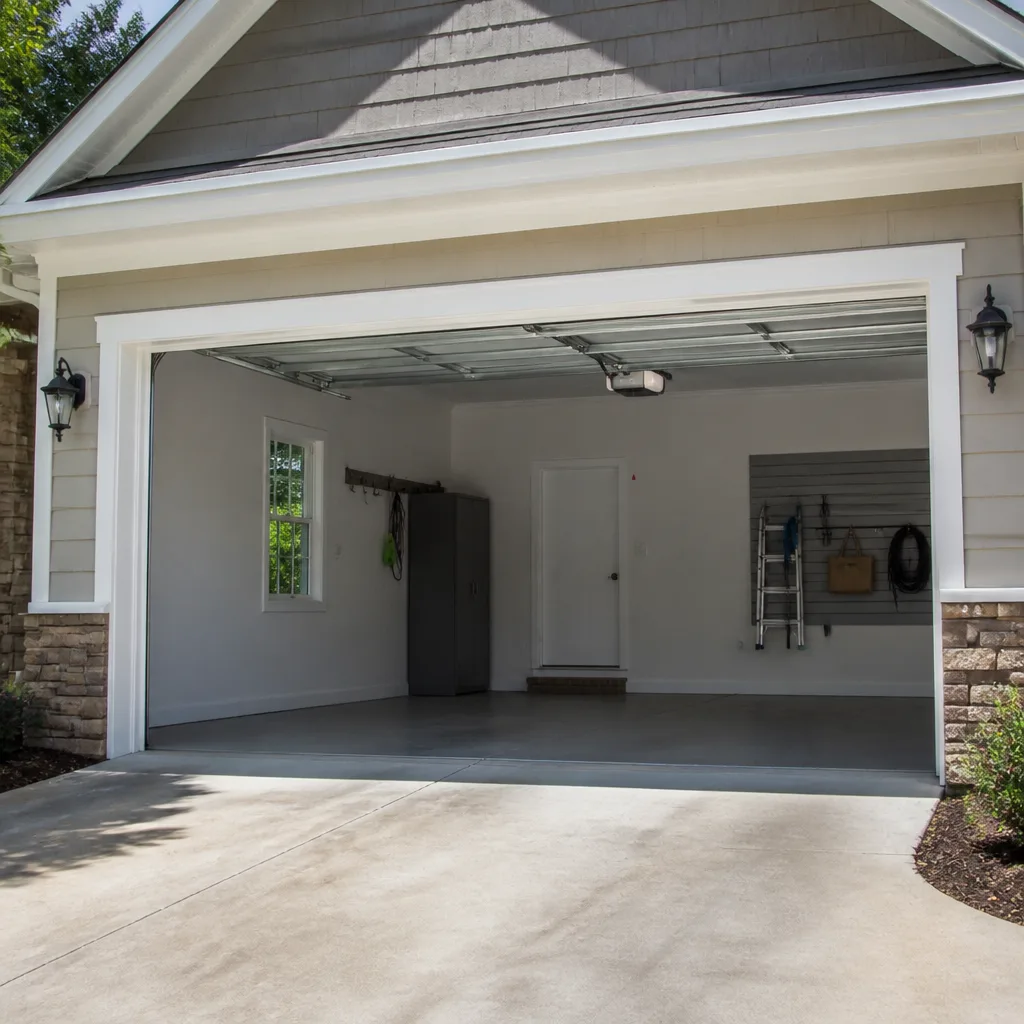 Chamberlain openers
Full 25-point door and opener safety check with every visit - springs, cables, rollers, tracks, and your LiftMaster or Chamberlain opener included
You get a price before we start. It does not change when the pro arrives.
Get your free estimateGarage Door Warning Signs: An Edison Homeowner’s Reference Guide
A garage door that hesitates for half a second before moving is showing you a warning sign. Most homeowners dismiss it as “just how it works now” for months before the system fails completely on a freezing morning. The signs that actually matter rarely look dramatic. They show up 3 to 6 months before a door stops working entirely, and they’re easy to read once you know what you’re hearing and seeing. This guide walks through the sounds, timing changes, and visual cues that tell you what’s wearing out in Edison and what needs attention now. We’ll also explain where DIY inspection ends and a trained technician begins.
Styles & brands we work with
- Raised-panel steel
- Carriage house
- Modern flush
- Full-view glass
- LiftMaster openers
- Chamberlain openers
Quick Answer
The main garage door warning signs are unusual noises (grinding, scraping, popping), a door that moves noticeably slower than it used to, visible cable fraying or slack seen from a distance, and a door that reverses or stops partway. These signs usually appear months before a full failure, which means most repairs can be scheduled instead of handled as emergencies. If you notice a popping sound near the springs or a cable that looks loose, stop using the door and call a professional.
Table of Contents
- The Five Audible Warning Signs, Ranked by Urgency
- What Cycle Time Changes Tell You
- Visual Cable Inspection From 10 Feet Away
- Works Fine Manually, Struggles on the Opener
- Reverse-and-Stop Behavior: Sensor, Track, or Limit Switch
- The Visual Checks You Can Do Safely
- Seasonal Signals in Edison’s Climate
- What Slows Wear Before It Starts
- Common Mistakes to Avoid
- When to Call a Professional
- Frequently Asked Questions
The Five Audible Warning Signs, Ranked by Urgency
Your ears pick up problems before your eyes do. The trick is telling apart the five noises that matter most and knowing how fast each one needs attention. In our experience, homeowners describe all of them as “a weird noise,” but each one points to a different part of the door.
- A loud pop or bang from above the door. This is the most urgent. A popping sound usually means a torsion spring has snapped or is about to. Stop using the door and don’t try to open it by hand. Springs are under extreme tension and can cause serious injury if handled without training.
- Grinding from the opener unit itself. This points to worn gears or a failing motor. The door may still move, but the opener is working harder than it should and will eventually quit. This is a common call for garage door opener repair in Edison, and it’s a good one to fix before it fails.
- Scraping along the sides or top of the door. That’s a panel or track alignment issue. Left alone, scraped panels warp and the door’s balance shifts. Fix it in weeks, not months.
- A rattle or clank that comes and goes. Loose hinges, rollers, or bracket bolts. Rarely urgent, but worth tightening before the noise spreads.
- A high-pitched squeal. Usually dry rollers or a worn bearing. The least urgent sound on this list, and one that regular lubrication addresses before the part wears out.
Sorting sounds this way means you can make a clear decision the same evening instead of letting it slide for another season.
What Cycle Time Changes Tell You
A door that takes 20% longer to open than it used to is telling you something specific. In most cases, one of two things is happening: the spring has lost tension or the opener motor has begun to wear. Those aren’t the same fix, and they don’t have the same risk. Here’s how to think about it.
Springs do the heavy lifting on a garage door. When the door was new, the spring was wound to match the exact weight of the panels, and the opener only had to guide it. As the spring relaxes over time, the opener has to work harder to lift the same weight. That shows up as a slower, more labored cycle. Left alone, the motor eventually burns out or the spring snaps.
- Slower opening but smooth closing: usually spring tension loss. There’s a good chance the fix is garage door spring repair rather than a new opener.
- Slow, then faster, then slow again: often a motor or gear issue inside the opener.
- Smooth manual movement but the opener strains: a spring related signal. See the section below.
- Hopping or jerking during the cycle: a balance problem or a worn roller.
If you can’t remember when the door last felt normal, that’s its own answer. A healthy door opens and closes at roughly the same speed every time, no matter the outside temperature.
Visual Cable Inspection From 10 Feet Away
Cables on a garage door are under tension, and we never suggest touching them. But you can spot most cable problems from 10 feet away without getting close. That’s exactly what our technicians ask homeowners to do before calling.
Stand at the front of the car and look at both sides of the door with the door fully closed. Here’s what to check:
- Look for fraying. A healthy cable is one continuous straight line of steel. Fraying looks like small whiskers or a fuzzy patch.
- Check for slack. When the door is down, both cables should be taut. Sagging or a loose curl near the bottom bracket is a signal.
- Look for rust or discoloration. Rust concentrates in the spots under the most strain, and those are the spots most likely to fail next.
- Check the drum at the top corner. The cable should wind cleanly around the drum, not overlap itself or drag.
- Look at the bottom bracket. A visibly bent bracket is a red flag even if the cable looks fine.
If a cable looks frayed or slack, don’t open or close the door. Cables hold the door’s weight on one side, and a snapping cable whips loose at speed. That’s a job for a trained technician, never a homeowner. We’d rather you call and hear “that’s fine” than take a risk on a wound cable.
Works Fine Manually, Struggles on the Opener
A door that opens smoothly by hand but barely moves with the opener is a specific diagnostic signal. It points to a spring imbalance rather than a motor problem. Here’s why that distinction matters. If you pull the red release handle and lift the door by hand, a well-balanced door should stay at the halfway point without your help. If it drops, the spring is no longer balancing the door’s weight. The opener is doing the work the spring should be doing.
That said, this is one place where the safest interpretation is to stop testing. Once the door is disconnected, you’re relying on your own strength to control a panel that could crash. Our technicians have up to 9 years of experience with exactly this diagnosis, and in most cases the door is back to full balance with a spring service rather than a new opener. If you’re not sure whether it’s a spring or a motor, that’s worth a call either way.
Reverse-and-Stop Behavior: Sensor, Track, or Limit Switch
When a door reverses, stops, or moves partway and goes back up, three common causes explain most cases. Each one has a different urgency level, and identifying which you have makes the fix faster.
- Safety sensor issue (lowest urgency, most common). The two small eyes near the floor need to see each other. Something blocking the beam, a dirty lens, or a knocked sensor is usually the cause. This is a five-minute fix you can handle yourself.
- Track obstruction (medium urgency). A bent track or debris in the track stops the door mid-travel. Don’t force it. Forcing a door against an obstruction bends the panels and the track.
- Limit switch failure (higher urgency). The opener thinks the door is in a different position than it is. This usually appears as the door reversing near the top of its travel. Fixing this requires an opener service call.
If the reversal happens only in cold weather, write that down. That’s the kind of detail that points the technician toward the right part on the first visit, which is the whole idea behind our approach to precision over patchwork.
The Visual Checks You Can Do Safely
Good eyes catch most problems before they become repairs. Here’s a short, safe inspection you can do in five minutes from the driveway:
- Look at the door’s bottom edge. Is it straight along the floor, or is there a gap on one side? A gap means the door is out of balance.
- Check the hinges. Any screws backing out? Replace them with the same size and no larger.
- Look at the rollers. Worn rollers wobble. Wobbling rollers wear the track.
- Spot-check the paint. Edison’s humidity and clay-heavy soil mean moisture hangs around, and wet spots on the panels can lead to rust at the hinges. Rust at a hinge usually means the hinge is closer to failure than it looks.
- Look at the door’s top edge under the opener rail. A misaligned rail shows up as a small gap on one side.
None of these require you to touch a spring or a cable. They’re observation checks, and they’re enough to tell you whether to schedule a service visit or wait.
Seasonal Signals in Edison’s Climate
Central New Jersey weather works a garage door hard. Between hot, humid summers and cold winters, the metal panels, hinges, and springs expand and contract through real temperature swings. That cycle shows up in the garage door’s behavior.
In summer, humidity settles against the panels and the hinges, and you’re more likely to notice a squeal or stiff movement. In winter, cold tightens steel, and a door that’s been running on a weakening spring may suddenly refuse to lift at all on the first hard freeze. That’s the classic Monday morning failure we hear about most often, and it started as a “slightly slower door” back in October.
Edison also has a housing stock that matters. Older doors in neighborhoods like North Edison and the areas near Menlo Park sit on doors that have cycled thousands of times more than a newer build. In newer developments, the issue is often the opposite: builders’ grade openers that were never designed for heavy daily use. Both cases benefit from an annual inspection that catches wear before it becomes a failure.
If the door is acting up in a way that seems tied to the season, that’s worth a call. It’s usually the first clue the spring has lost tension or the opener’s gears are worn. Call (855) 658-5248 for a free estimate. We answer 24/7. Fast dispatch from 7am to 7pm, Sunday through Friday.
What Slows Wear Before It Starts
Preventing a repair rarely means doing more. It usually means doing less, in the right spots, on a schedule. These are the routines we recommend for Edison homeowners who’d rather not see us on an emergency call:
- Lubricate the rollers and hinges once a season. A garage door lubricant is all you need. Never use WD-40 on rollers – it attracts dust and makes things worse.
- Test the safety sensor once a month. Put a box under the door and press the close button. If the door doesn’t reverse, the sensor needs attention.
- Listen to the door for one full cycle a week. Most failures announce themselves first. You’re training your ear.
- Keep the tracks clean. Wipe them down with a damp rag. No grease on the tracks – grease collects grit and wears the rollers faster.
- Balance test every six months. Release the opener and lift the door to halfway. It should hold. If it drops, schedule a spring service.
We work on the brand already in your garage, which means whether you have a LiftMaster, Chamberlain, Craftsman, or Raynor system, a technician knows what to look at and what part it takes to fix it right the first time. That’s a big part of why we tell homeowners to keep a small service log. It makes every future repair more accurate.
If a door in Edison has been quietly getting louder or slower over the last six months, it’s a good time to get ahead of it. Our garage door repair service starts with a free estimate and a written quote before any work starts.
Common Mistakes to Avoid
- Ignoring a pop because the door still works. A snapped spring can still leave the door usable for a day or two, then fail completely. Call immediately and don’t open the door in the meantime.
- Trying to adjust springs yourself. Springs carry enough stored energy to cause serious injury. This is the single most dangerous DIY garage door repair, and we’ve seen the damage from attempted fixes. Leave it to a trained technician.
- Using WD-40 on the rollers and hinges. It thins the lubricant and attracts dust. A dedicated door lubricant goes on; WD-40 stays in the kitchen drawer.
- Forcing the door past a track obstruction. Forcing a door bends panels, warps tracks, and turns a cheap fix into a door replacement.
- Assuming the safety sensor is the problem when the door reverses at the top. That’s usually a limit switch, not a sensor, and reversing the diagnosis wastes time.
- Ignoring humidity. Edison’s summers can leave rust at the hinges that most homeowners would never see unless they knew where to look.
- Not writing down the cycle time changes. A door that “feels slower” is easy to forget. A written note of “5 seconds slower than last spring” gives a technician a real head start.
When to Call a Professional
Call a professional if you hear a pop near the springs, if the door reverses at the top of its travel, if the door visibly sags on one side, or if you can’t get the door balanced on the halfway test. Any of these signals means the door is holding tension incorrectly, and driving it through another cycle risks bending panels or burning out the opener. If you’re seeing a frayed cable or slack in the cable, don’t touch it. Call and describe what you see.
Edison Garage Door Repair Co offers free estimates in Edison and the surrounding area. Call (855) 658-5248. We answer 24/7. Fast dispatch from 7am to 7pm, Sunday through Friday. Our technicians have up to 9 years of experience with the full range of garage door systems, from opener repair to a broken spring to a new door, and the written estimate sets the price before any work begins.
If you’d rather read up first, we cover every service we handle through Edison Garage Door Repair Co and can walk you through what each visit involves.
Frequently Asked Questions
A door that opens noticeably slower than it used to is the most common early sign, and it usually points to spring tension loss before any real failure happens. In our experience, that’s the sign homeowners dismiss for the longest, and the one that most often leads to a snapped spring in cold weather. Call (855) 658-5248 for a free estimate if the door’s cycle time has changed in the last few months.
No, cable work should always go to a trained technician. Cables are under tension, and a loose cable can whip with enough force to cause serious injury. State-licensed and insured local professionals handle every cable adjustment we dispatch.
A door that reverses near the top is usually a limit switch issue, not a sensor problem. A sensor problem normally reverses the door near the floor, where the sensor eyes sit. If your door reverses at the top, it needs a service call. Call (855) 658-5248 for a free estimate.
A single spring repair in Edison typically falls in the $180 to $340 range, and a matched pair is replaced together at roughly twice that. The written estimate you get before any work starts is the price you pay. Call (855) 658-5248 for an exact quote, and estimates are free.
No – the price is quoted and agreed before any work starts, and the written estimate sets the final price. If a technician finds something unexpected, they explain it and re-quote before doing any additional work. Nothing is added after the fact. Call (855) 658-5248 for a free estimate.
Yes. We work on LiftMaster, Chamberlain, Genie, Clopay, Amarr, Wayne Dalton, Craftsman, and Raynor systems, which covers the brands installed in most Edison homes. If you’re not sure which brand you have, call (855) 658-5248 and we’ll help you identify it from the door or the opener. That means one call for the door and the opener.
Yes, same-day service is available for urgent failures, and our technicians handle both spring and opener emergencies. Call (855) 658-5248 and we answer 24/7. Fast dispatch from 7am to 7pm, Sunday through Friday.
The Bottom Line
The warning signs that matter most in Edison are the ones that show up quietly, 3 to 6 months before a failure: a door that moves slower than it used to, a noise that’s new, a cable that looks loose from 10 feet away. If you’ve caught even one of those signs, don’t wait for the failure. Call (855) 658-5248 for a free estimate, and we’ll tell you whether it’s a spring, an opener, or something a tightening and a wipedown will fix. Our technicians have up to 9 years of experience, and every written quote is agreed before any work starts. If you’re looking for honest diagnostics and no surprises on the invoice, that’s exactly what Edison Garage Door Repair Co is built to deliver. Back up and running today, with the right part and the right fix on the first visit.
Written by the team at Edison Garage Door Repair Co.
See the difference
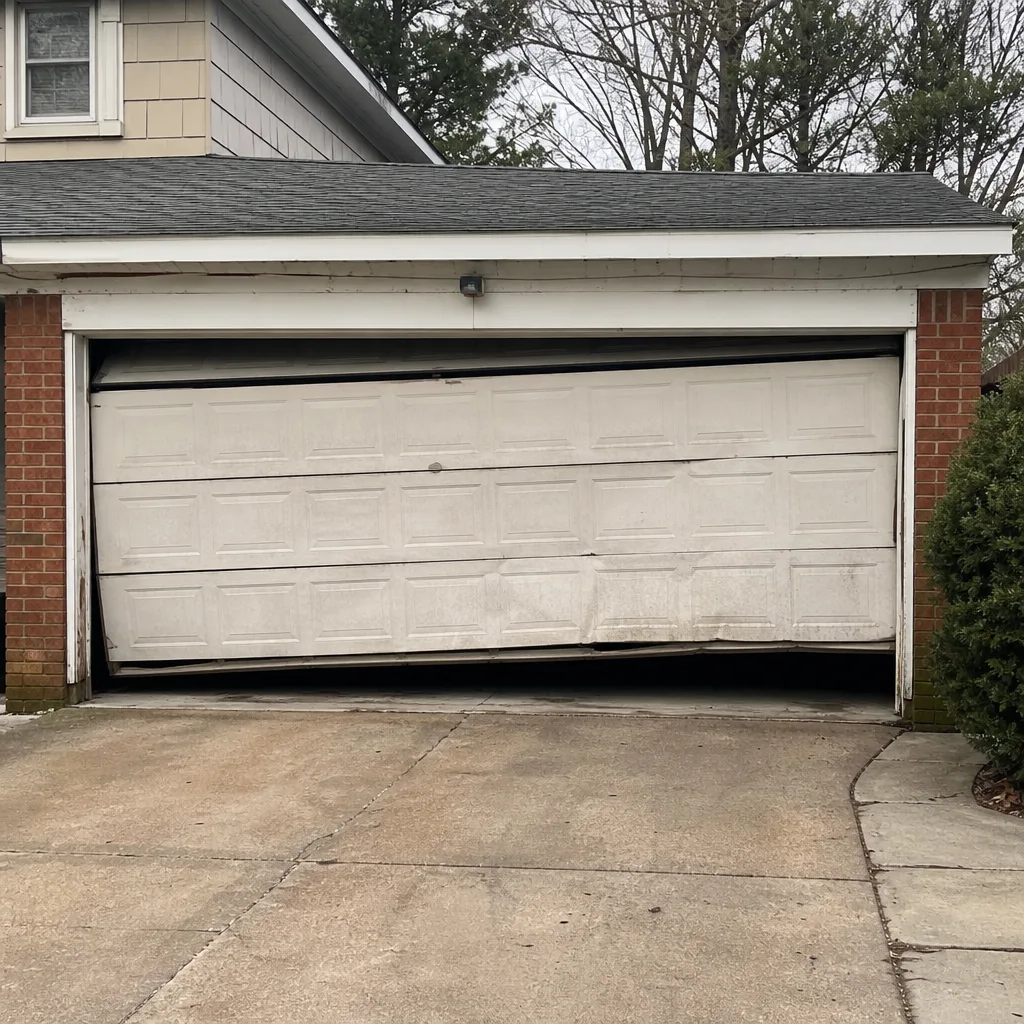 Before
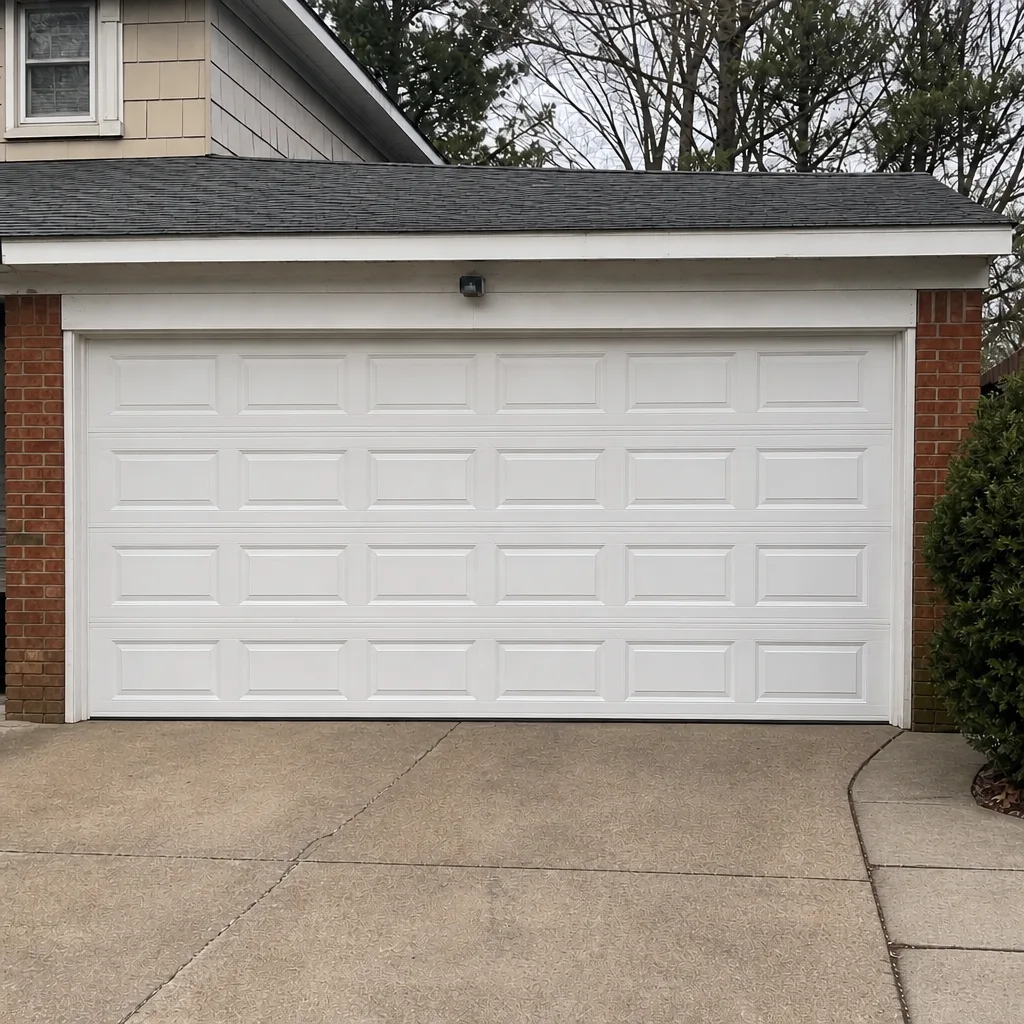 After
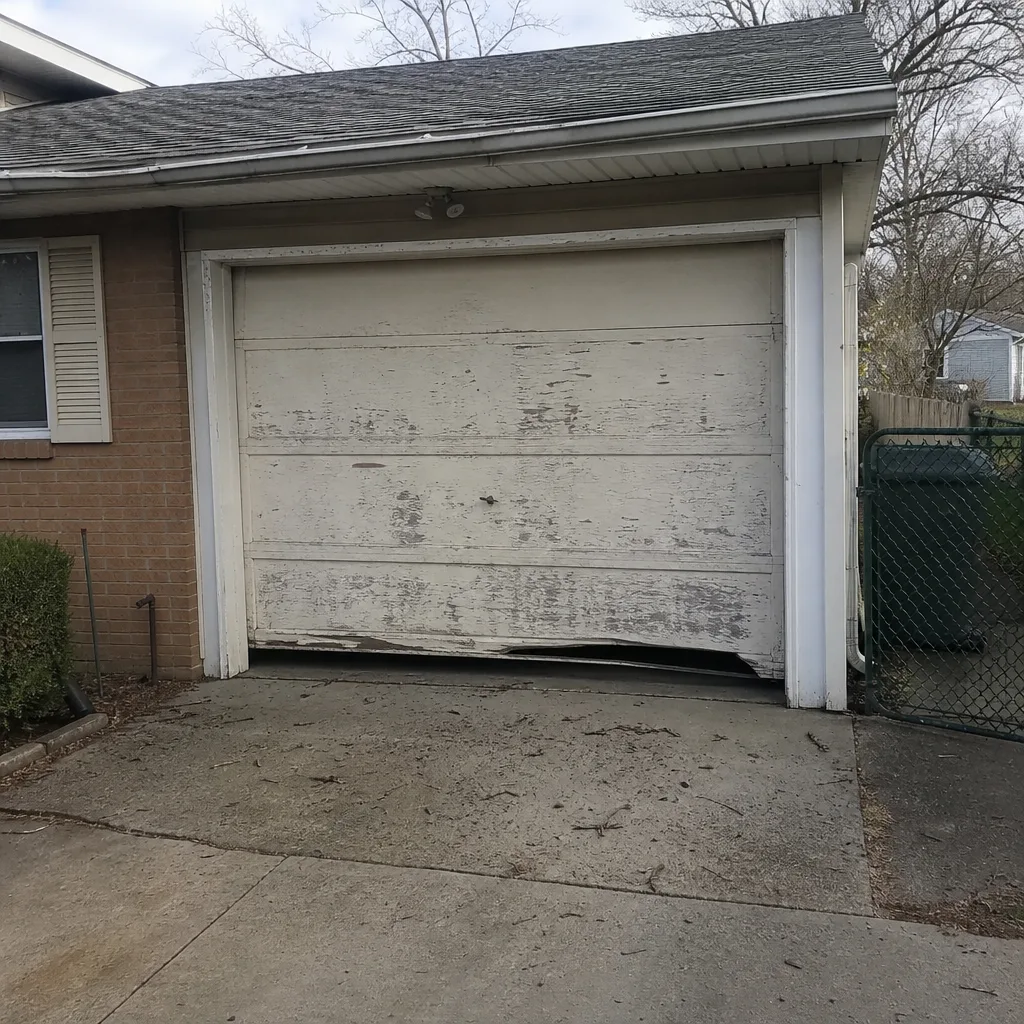 Before
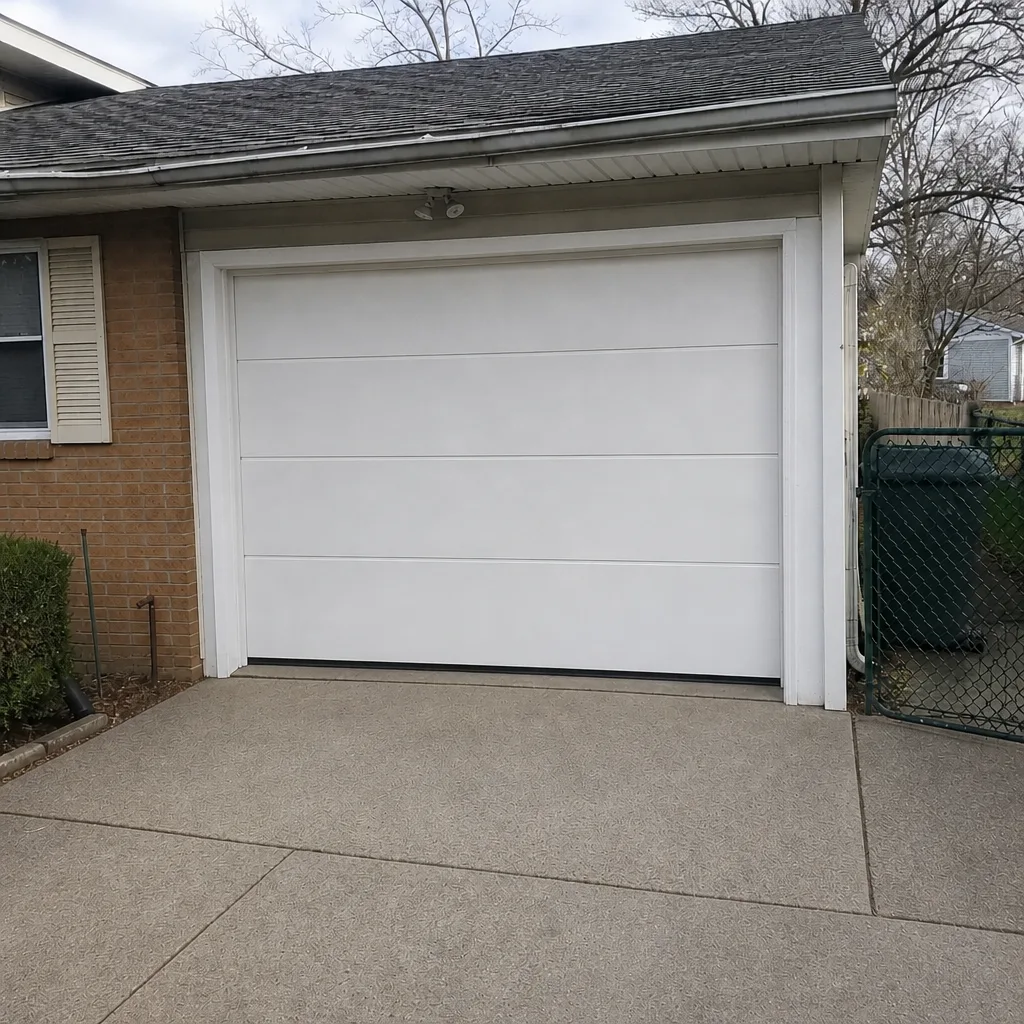 After
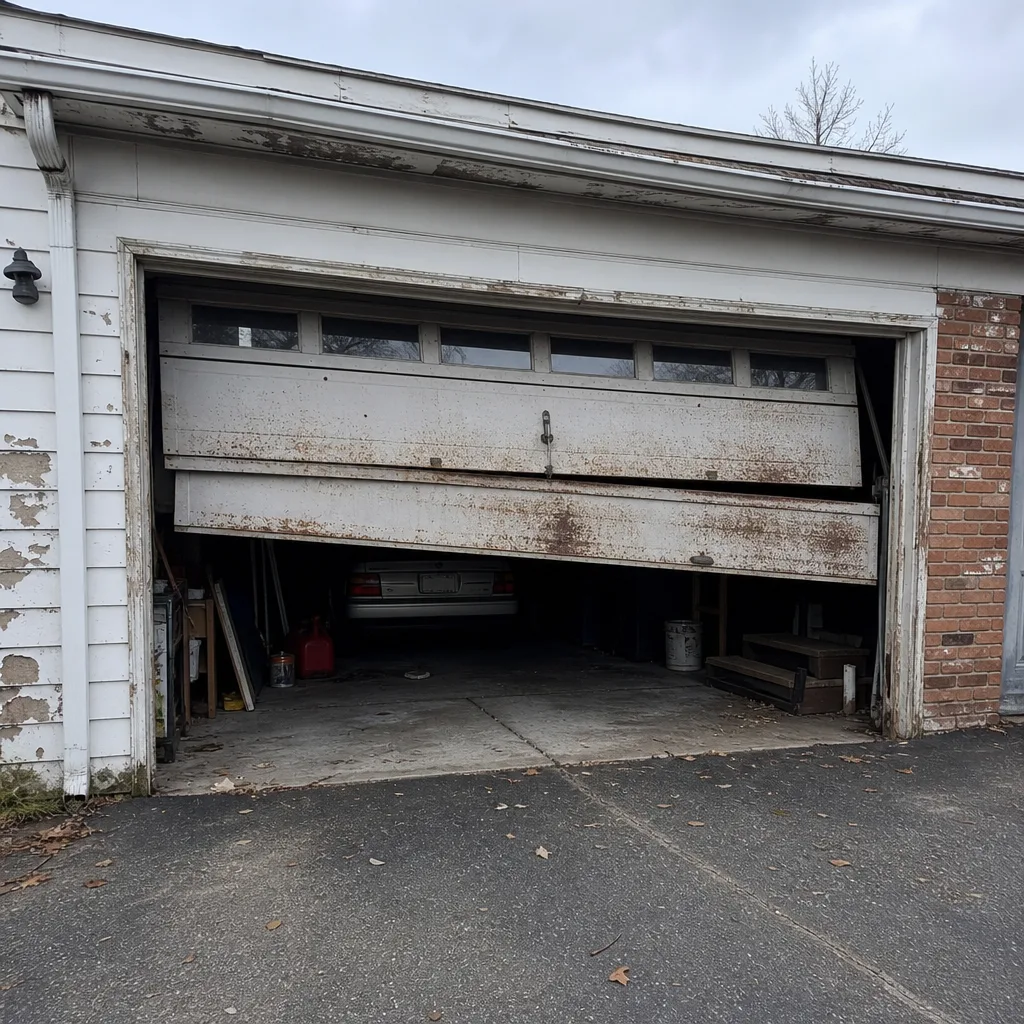 Before
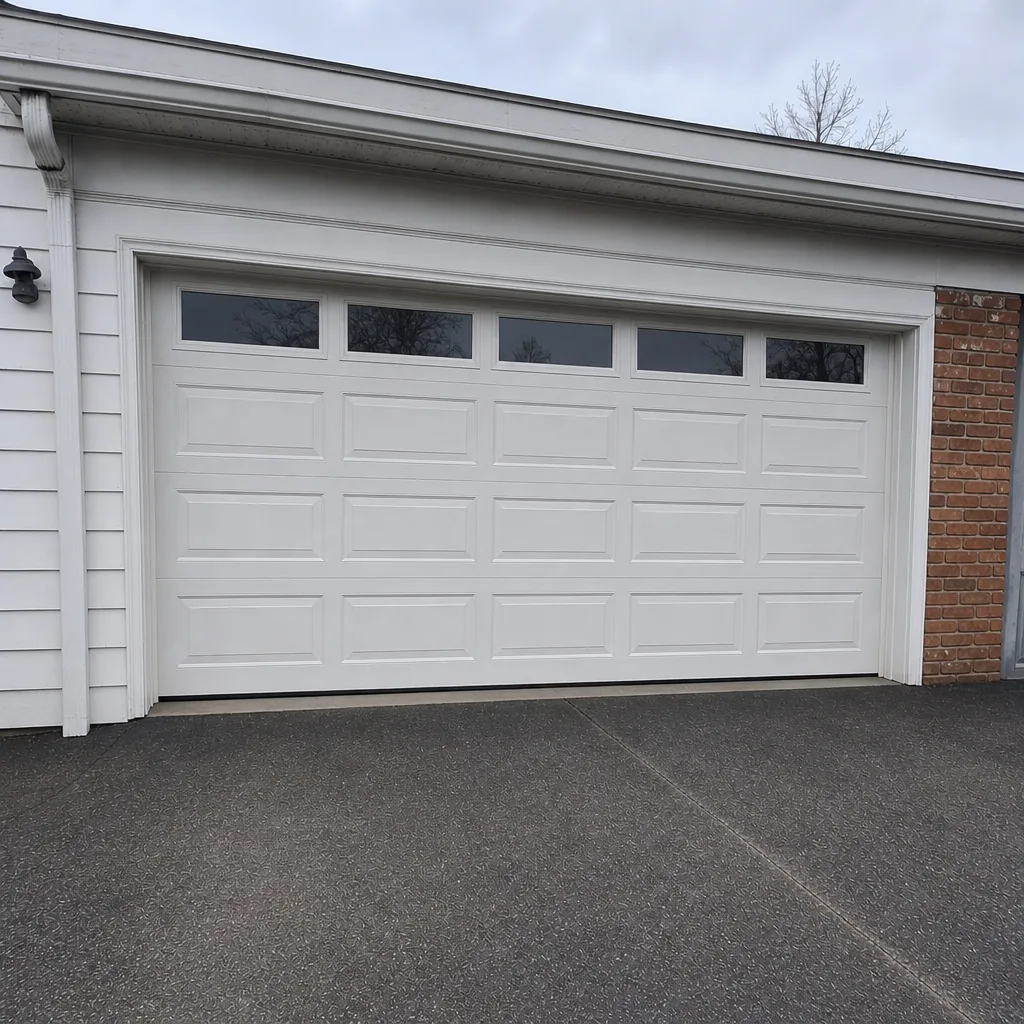 After