
Last updated November 22, 2026
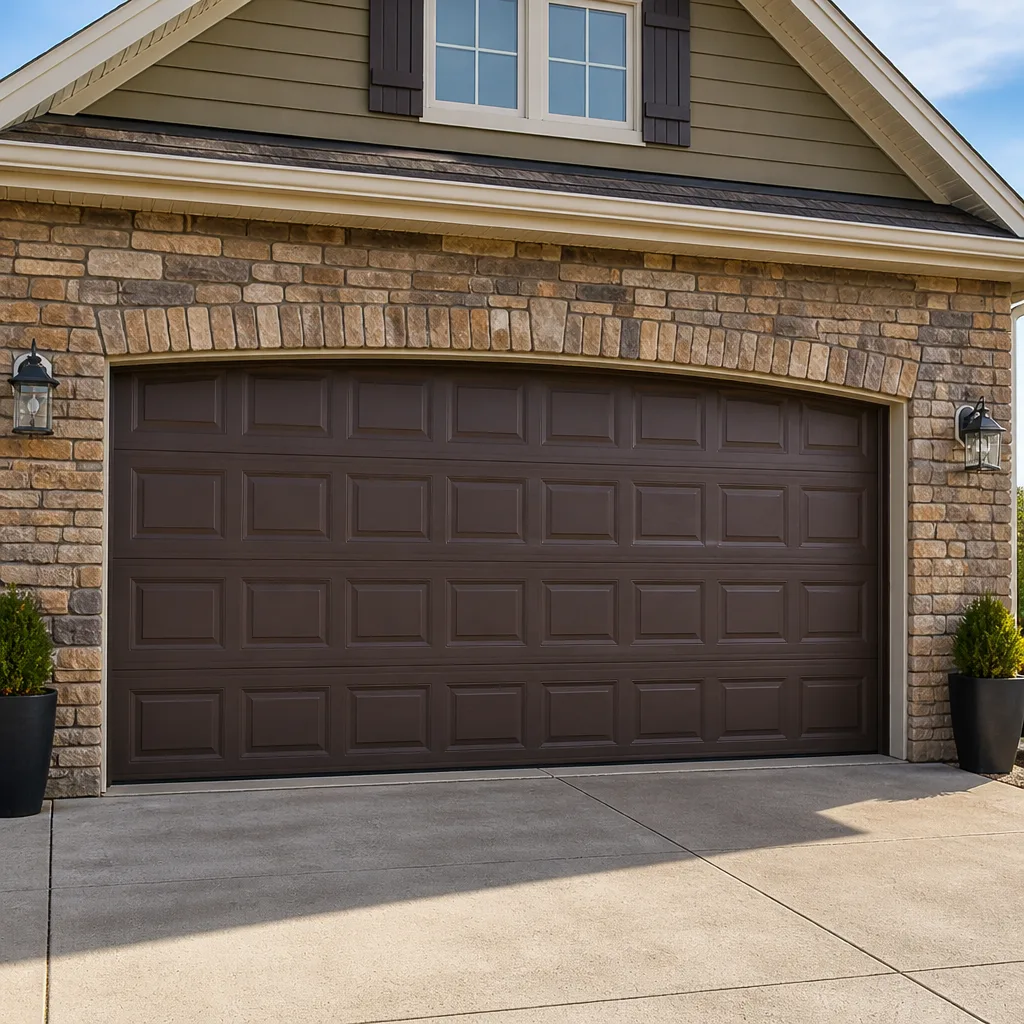 Raised-panel steel
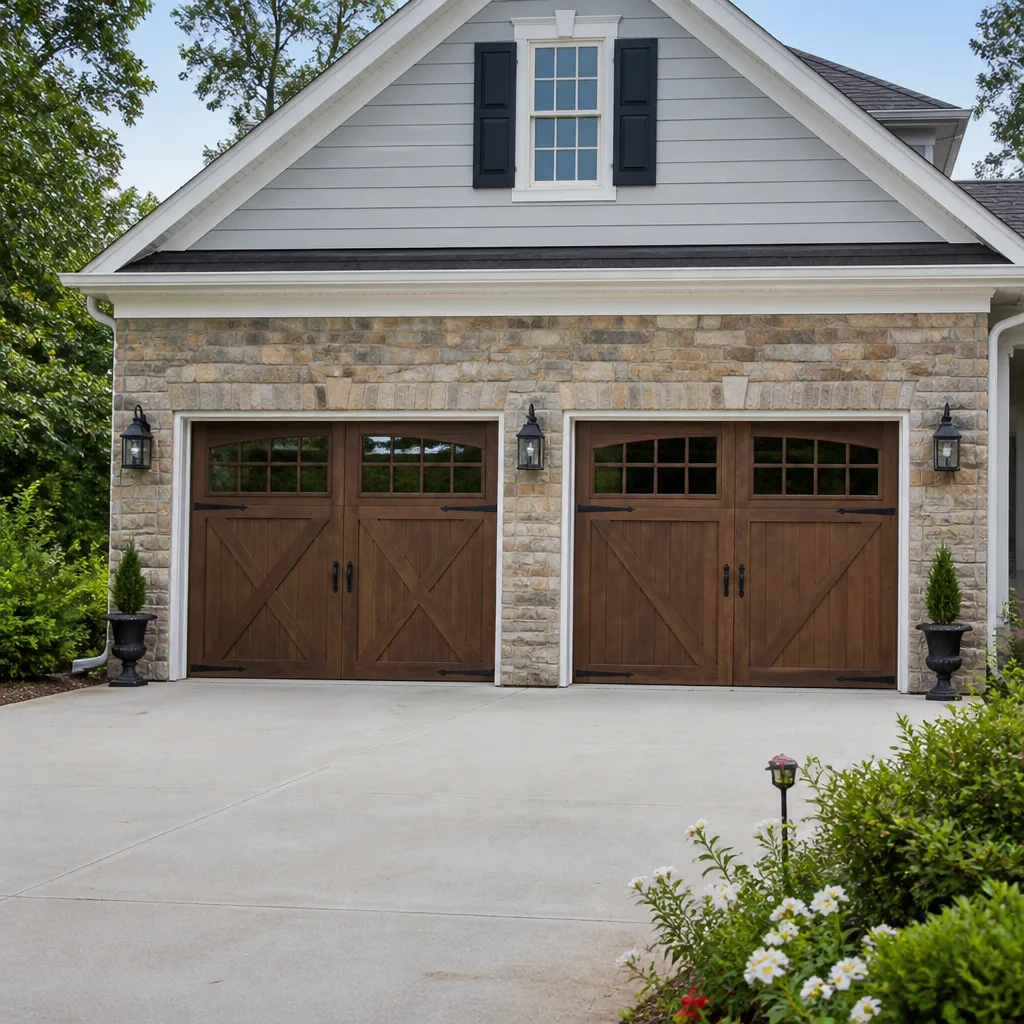 Carriage house
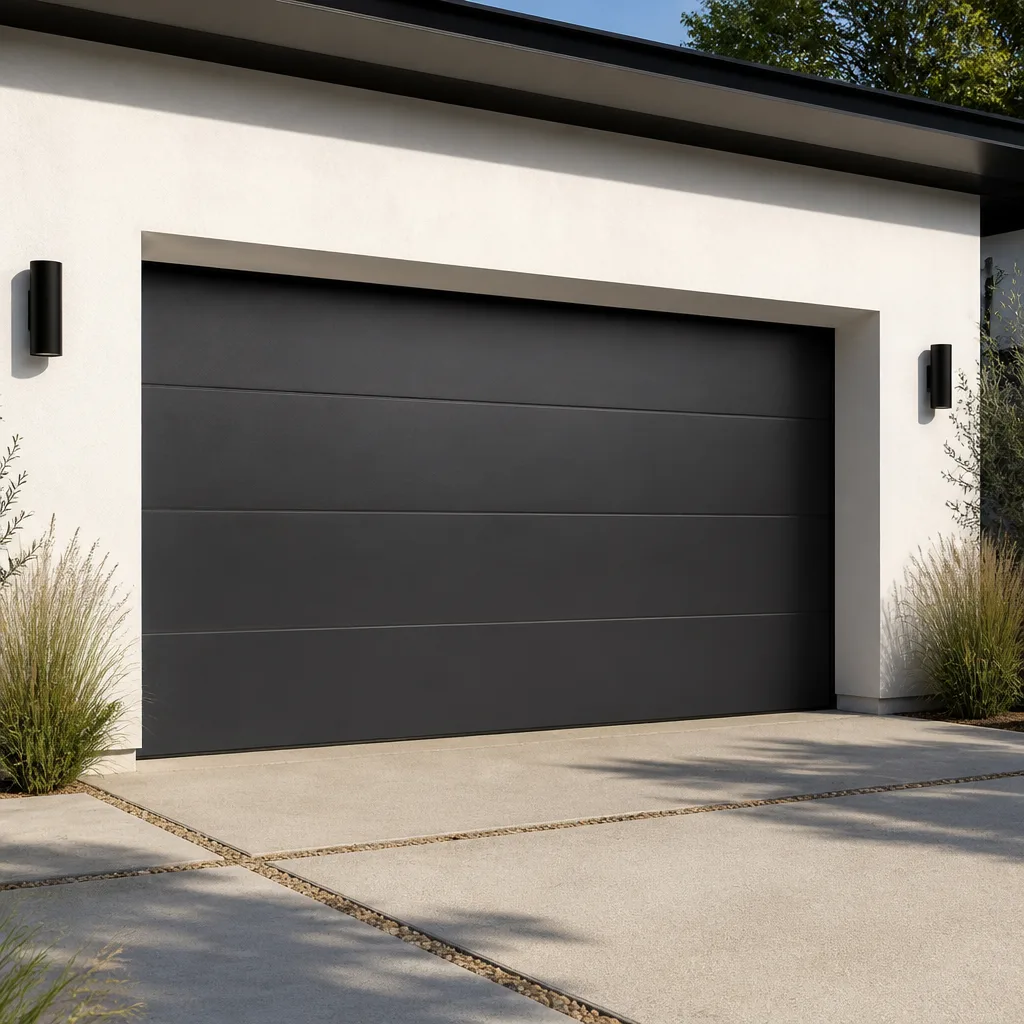 Modern flush
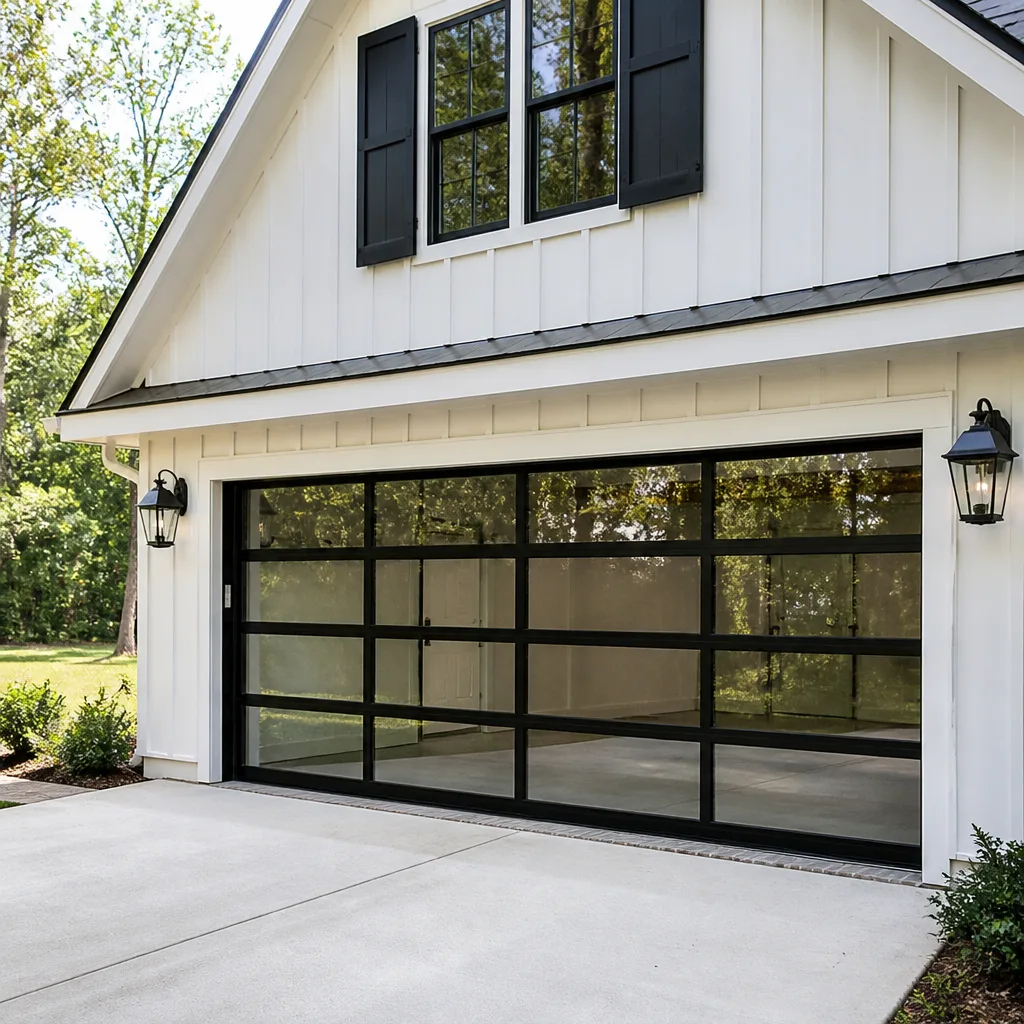 Full-view glass
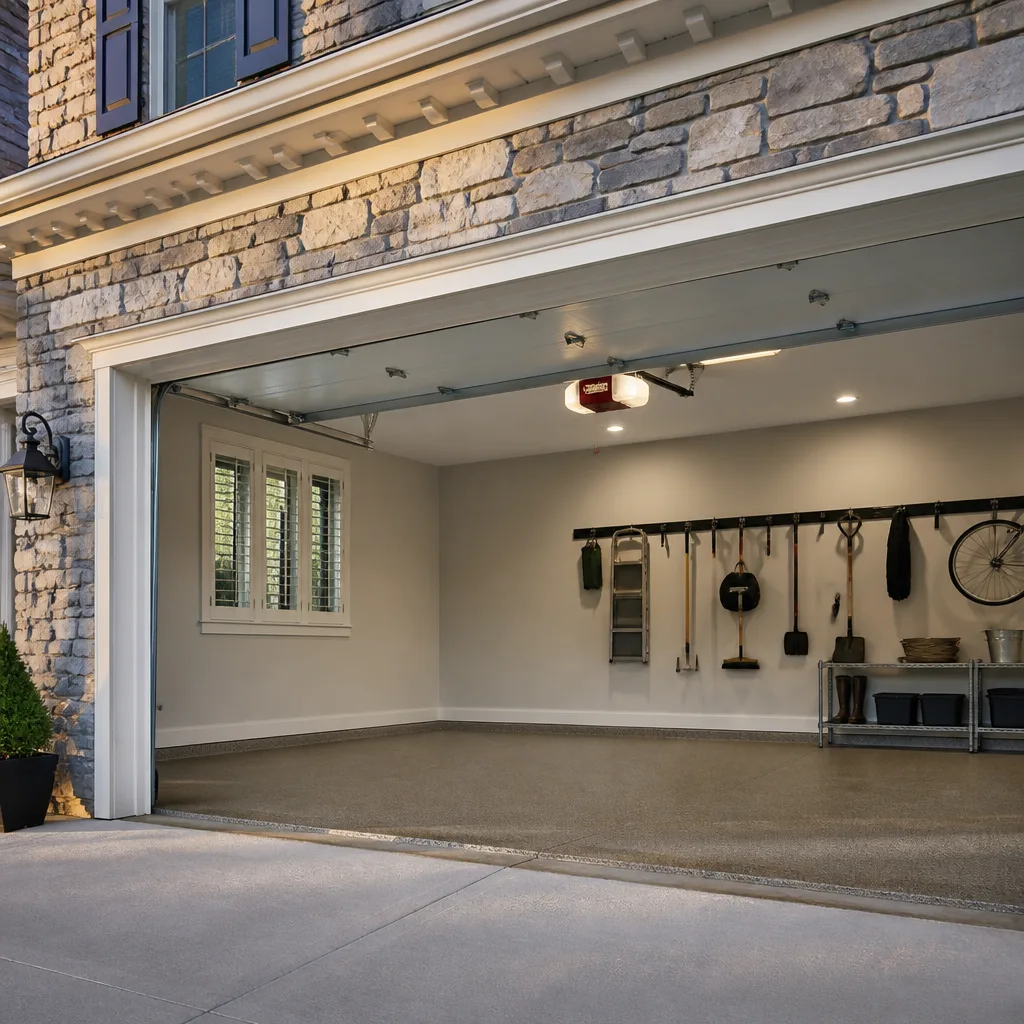 LiftMaster openers
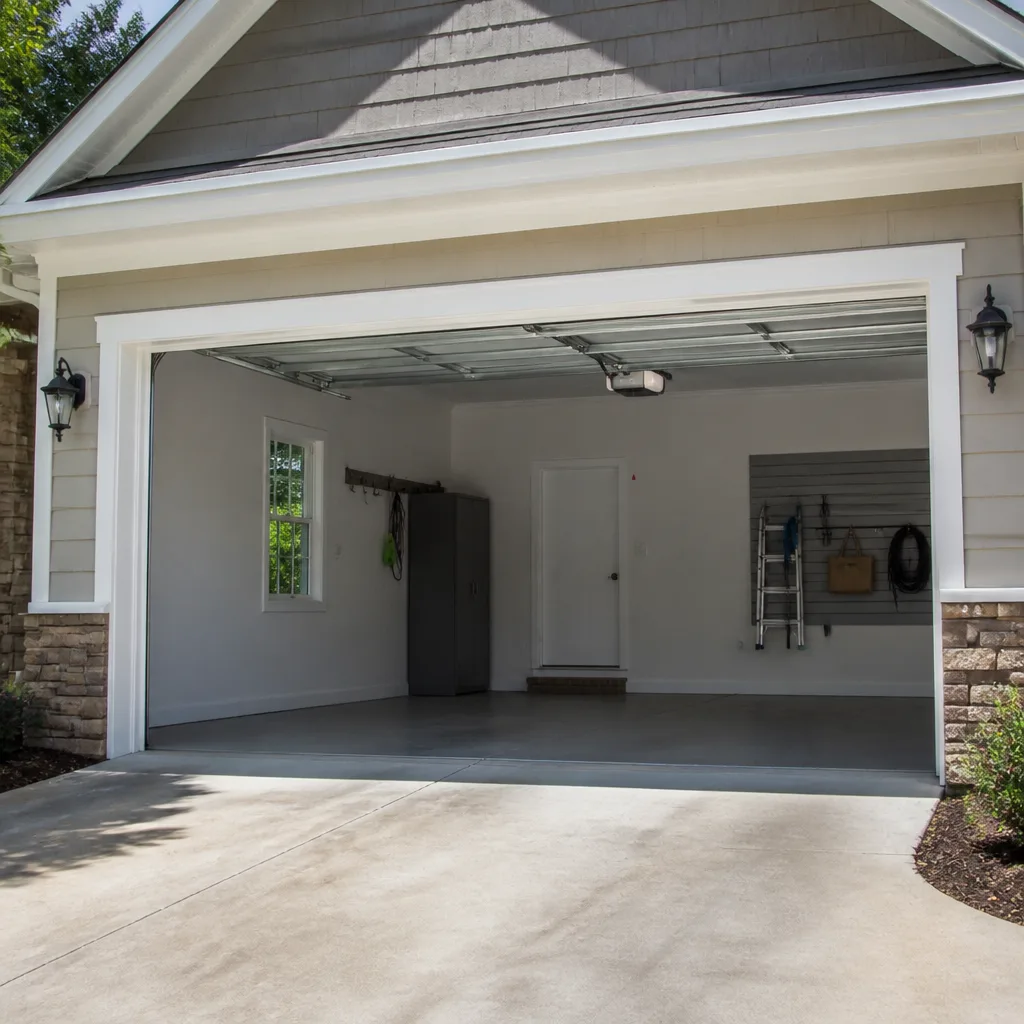 Chamberlain openers
Full 25-point door and opener safety check with every visit - springs, cables, rollers, tracks, and your LiftMaster or Chamberlain opener included
You get a price before we start. It does not change when the pro arrives.
Get your free estimateChoosing the Right Garage Door Brand: A Buyer’s Guide for Edison
Most homeowners in Edison pick a garage door brand the way they pick a car: by the badge on the front. That’s backwards. The brand that matters most is the one your local service technicians can actually get parts for, and the reputation a manufacturer has built nationally means very little when a snapped spring leaves you waiting on a component shipped from three states away. We’ve watched homeowners choose a perfectly good door from a brand with no distributor nearby, then spend far longer than necessary waiting for a simple repair. This guide walks through how brand choice really plays out in Edison, from parts availability across Middlesex County to what a limited lifetime warranty actually covers when you read the fine print.
Quick Answer
The best garage door brand for Edison is the one whose parts are stocked by a local Middlesex County distributor and whose construction suits this region’s climate, which for most homes here means Clopay, Amarr, or Wayne Dalton steel doors paired with a LiftMaster, Chamberlain, or Genie opener. Brand loyalty matters far less than parts availability, correct gauge and insulation for a mixed-humidity Northeast climate, and a service network that can reach your door quickly. Match those three things and the logo on the door becomes almost irrelevant.
Styles & brands we work with
- Raised-panel steel
- Carriage house
- Modern flush
- Full-view glass
- LiftMaster openers
- Chamberlain openers
Table of Contents
- Parts Availability Across Middlesex County
- Matching Gauge and Insulation to Edison’s Climate
- Door Brand and Opener Brand: Why Compatibility Matters
- Builder-Grade vs Residential-Grade Steel Doors
- What “Limited Lifetime Warranty” Really Means
- Smart-Home Integration and the Brand Ecosystem
- A Step-by-Step Way to Choose a Brand
- Common Mistakes to Avoid
Parts Availability Across Middlesex County
This is the single most practical factor in brand choice, and it’s the one most buyers never consider. Garage door parts split into two broad groups: components a local distributor keeps on a shelf (springs, rollers, hinges, standard track, common panel profiles) and components that have to be ordered from the factory (proprietary panels, matching colors, specialty hardware). Which group your repair falls into depends heavily on the brand you chose.
Brands like Clopay, Amarr, and Wayne Dalton are widely distributed across the Northeast, which means local supply houses in the Edison area tend to carry their common parts. A torsion spring or a standard steel roller for one of those doors is usually a same-visit fix. Less common brands, or older doors from manufacturers who’ve left the residential market, often mean factory-direct ordering, and that’s where a repair that should take an afternoon can stretch out by a week or more.
How the Middlesex County stock situation breaks down
- Widely distributed brands (Clopay, Amarr, Wayne Dalton): common parts typically available locally, so repairs move faster.
- Opener brands (LiftMaster, Chamberlain, Genie): boards, remotes, gears, and safety sensors are widely stocked because these are the openers installed in most homes.
- Less common brands: often means factory-direct ordering and a longer wait for anything proprietary.
- Older or discontinued doors: panel and color matching can be impossible, which sometimes pushes a repair toward replacement.
We work on the brand already in your garage, and we cover LiftMaster, Chamberlain, Genie, Clopay, Amarr, Wayne Dalton, Craftsman, and Raynor. If you’re choosing a new door and want the fastest possible path to future repair parts, sticking with one of the widely distributed names makes practical sense in Edison, no matter what a manufacturer’s marketing says about its national reputation.
Matching Gauge and Insulation to Edison’s Climate
Here’s where plenty of Edison homeowners overspend. You’ll see steel doors marketed with insulation ratings built for places that hit single digits for weeks at a time. Edison’s climate doesn’t demand that, and paying for the coldest-weather spec available means paying for something you’ll never use. The right move is to match the door to a mixed-humidity Northeast climate that sees real summer heat, occasional deep cold snaps, and a lot of freeze-thaw cycling over a winter.
What to look for
- Steel gauge: 24- or 25-gauge steel is the common residential choice. Thicker isn’t automatically better; it’s heavier and puts more load on the springs and opener.
- Insulation: for an attached garage under living space, an insulated door holds heat back in winter and stops the garage from baking in summer. For a detached, unheated garage, the insulation upgrade earns less.
- Construction: a three-layer sandwich door (steel skins over a foam core) resists denting and holds temperature far better than a single-layer pan door.
- Finish and hardware: galvanized or coated hardware handles humidity better than bare steel, which matters through Edison’s humid summers.
None of this is brand-specific, but brand choice drives it. A manufacturer’s base line is often a single-layer pan door, while its residential line is a sandwich door. Knowing that difference keeps you from paying premium money for a premium-sounding name on a builder-grade door, which brings us to the next section.
Door Brand and Opener Brand: Why Compatibility Matters
Your door and opener are two systems bolted together, and the brands on each don’t have to match, but they do have to work together. Here’s the rule of thumb: opener brand matters far more for compatibility than door brand does. A LiftMaster, Chamberlain, or Genie opener will lift almost any residential door if it’s sized correctly, but the reverse isn’t true. An unusually heavy or tall door can overload an undersized opener, and no brand badge saves you from that.
Where the brand ecosystems themselves matter is in the extras: built-in camera openers, smart-home integration, battery backup, and remote programming. MyQ (LiftMaster and Chamberlain) is one popular ecosystem, and Genie has its own. If your house is already wired for one of them and you value that convenience, choosing that brand for the opener keeps the whole setup on one app instead of two.
The practical pairing approach
- Pick the door first, based on parts availability and gauge or insulation as above.
- Then choose an opener rated for that door’s weight and height, not the reverse.
- If you’re reusing an existing opener, confirm its lift capacity suits the new door before ordering.
- If you want smart-home control, settle on one ecosystem (MyQ or Genie) and stay within it.
- When the opener acts up, call for a repair rather than swapping brands midstream; an opener that won’t close all the way is often a sensor or logic board issue, not a reason to replace the unit.
That’s a job for garage door opener repair rather than a new opener, and it’s a good example of why we cover so many brands: the answer changes depending on what’s already mounted on your ceiling. If we’re talking Edison, the most common opener brands in this area are the three we’ve named, and that keeps the diagnostic path short.
Builder-Grade vs Residential-Grade Steel Doors
A lot of Edison homes have builder-grade steel doors that were marketed as premium at some point, and the difference is worth understanding before you shop. Builder-grade doors are typically single-layer steel pans with thin skins and minimal or no insulation. They’re cheap to install and get the job done on a new build. Residential-grade doors, by contrast, are usually sandwich construction with a foam core, thicker steel, and a heavier bottom bracket and hardware set built to last.
The trap is that manufacturers lean on the same brand name for both tiers. A door that sounds like a premium model on a website spec sheet can be the base line with a different color and a slightly upgraded window. So when you’re comparing brands, compare the specific model within the brand, not the brand alone.
How to tell them apart on the spec sheet
- Number of layers: one (pan), two (steel plus insulation), or three (steel-foam-steel sandwich). Three-layer is the residential-grade construction.
- Steel gauge: thinner skins (27- to 28-gauge) on builder doors, 24- or 25-gauge on residential.
- Hardware: lighter gauge brackets and hinges on builder doors, heavier on residential.
- Insulation value: builder doors often have none, or the wall insulation behind them does the work.
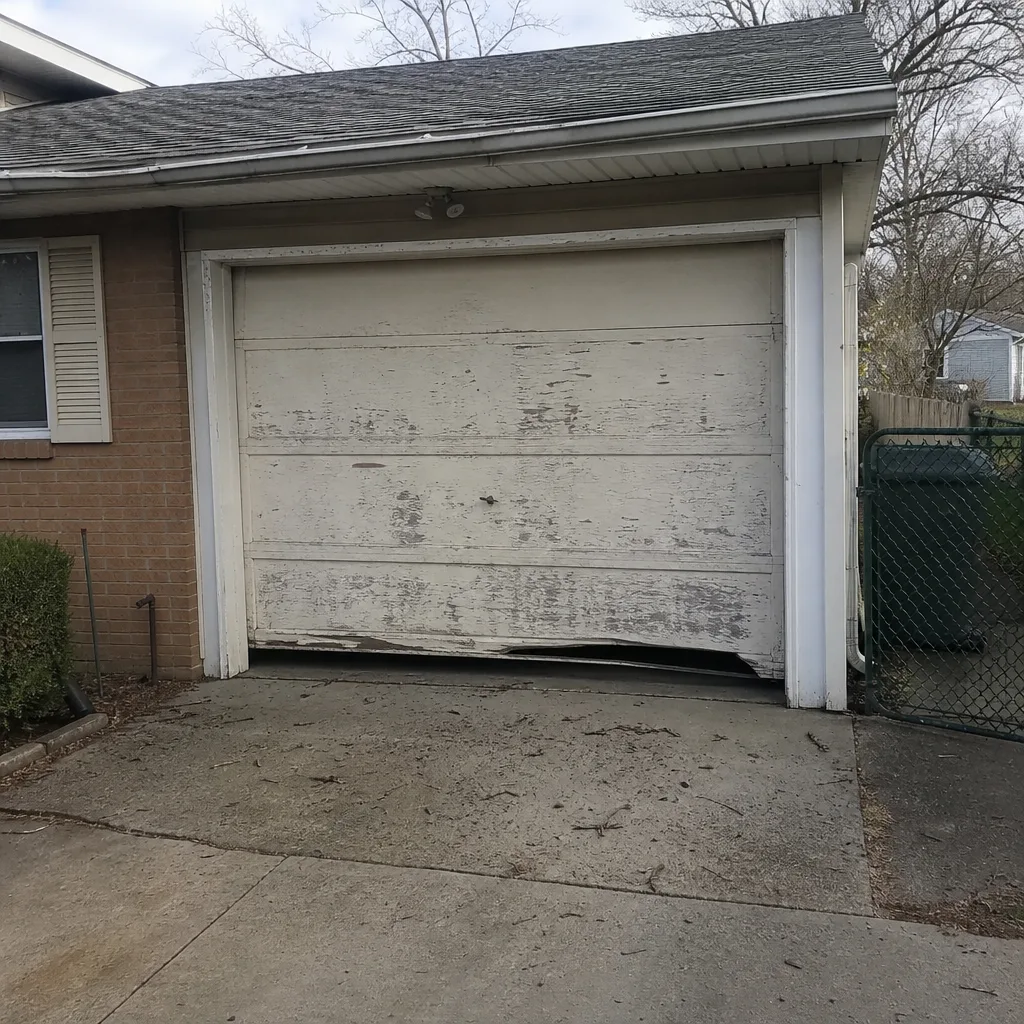
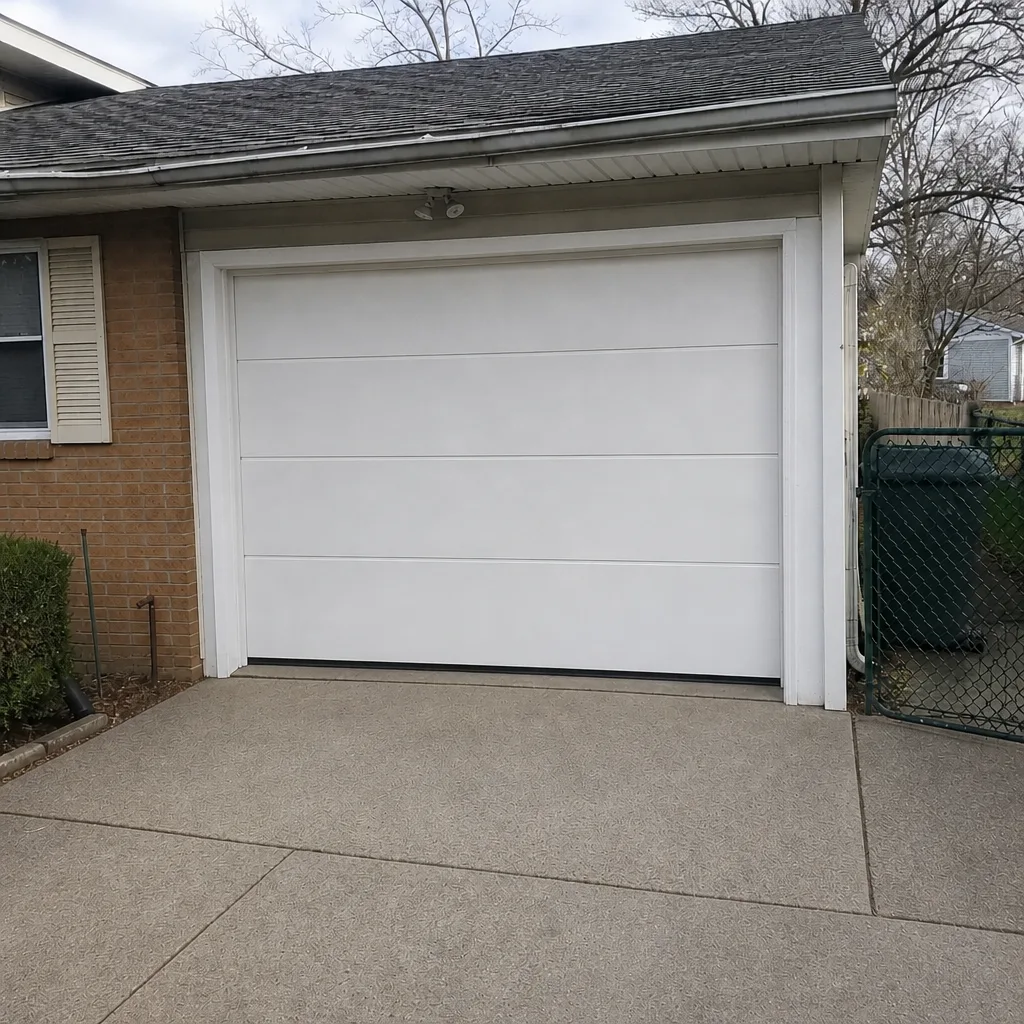
If your existing door is builder-grade and dented along the bottom panel from years of use, brand loyalty won’t solve it. That’s a panel or full-door decision based on condition, and it’s exactly the kind of thing we look at during a free estimate. When it’s time to replace rather than patch, our garage door repair team can tell you which option makes more sense for your specific door and budget.
What “Limited Lifetime Warranty” Really Means
Every major manufacturer advertises a limited lifetime warranty, and they all mean slightly different things. Here’s the honest summary: “lifetime” usually refers to the door’s structural integrity, not to the springs, rollers, or opener inside it. Those wear parts come with a much shorter warranty, often measured in years rather than a lifetime. That distinction is the whole ballgame.
Side-by-side, what’s typically covered
- Clopay: limited lifetime coverage on the door’s structural components and paint finish on residential steel doors; moving parts (springs, rollers, hinges) fall under shorter terms.
- Amarr: similar structure; lifetime on the door panels and finish for upper-tier residential lines, shorter coverage on hardware.
- Wayne Dalton: lifetime on the door’s steel structure for qualifying models; wear items handled separately.
- Opener brands (LiftMaster, Chamberlain, Genie): their warranties are on the unit itself (motor, logic board) and range from a few years on entry units to lifetime on premium motor and belt, with the belt or battery sometimes covered separately.
- Raynor and Craftsman: structure-focused lifetime terms on doors, limited terms on mechanical parts.
Two things to clarify when you’re comparing. First, warranty voids often hinge on where the door was installed and whether it was properly sprung and balanced, so a DIY install can quietly kill your coverage. Second, a “limited” lifetime warranty is limited precisely because it excludes wear parts and labor. When we repair a spring, we’re working inside a warranty that probably doesn’t cover that spring, which is why we quote it separately and set the price in writing. If you want the exact terms for the door you own, the manufacturer’s warranty document is the only thing that binds them, and we’ll point you to it.
Smart-Home Integration and the Brand Ecosystem
Garage doors have quietly become part of the smart home, and brand choice decides how well that works. If you want a voice command to close the door, get an alert when it’s been left open, or grant a delivery driver access, the opener brand and its ecosystem decide what’s possible. Buyers who ignore this end up with a door that’s fine and an opener that can’t do any of it.
LiftMaster and Chamberlain share MyQ, the most widely integrated ecosystem, with support for the major smart-home platforms and a built-in camera option on some units. Genie offers its own app-based control and integrations. None of this should override the basics of parts availability and correct construction, but if smart-home control is on your list, it becomes a real tiebreaker between doors that are otherwise similar.
What to plan before you order
- Decide whether you want one app for the garage or an integration that hooks into a broader system.
- Check whether your existing opener supports the features you want; a logic board swap is cheaper than a new opener.
- Make sure the wall controller and remotes you own are compatible with any new unit.
- If you’re replacing the door, have the opener’s lift capacity checked at the same time, so the ecosystem choice doesn’t force a mismatch.
Brand ecosystems are a convenience layer, not the foundation. Get the door right first, then build the smart-home features on top of it.
A Step-by-Step Way to Choose a Brand
If you want a repeatable process that avoids the marketing noise, here it is. This is the order a technician actually thinks in, from the part that’s hardest to change (parts availability) to the part that’s easiest (cosmetic finish).
- Confirm local parts availability. Before you fall for a door, check that a Middlesex County distributor carries its common parts. If a spring failure means a week-long wait, the brand is the wrong one no matter how good the door is.
- Match the finish to regional conditions. Choose a finish and hardware that hold up to humidity and freeze-thaw, and avoid a bare-steel hardware set in an attached garage.
- Choose construction, not just brand. For most Edison homes, a three-layer insulated steel door in 24- or 25-gauge is the sensible pick. Single-layer pans are builder-grade.
- Pick the opener to match the door and your smart-home wants. LiftMaster, Chamberlain, or Genie cover the vast majority of homes here, and the door should be sized to the opener’s lift capacity, not the reverse.
- Read the warranty terms for what’s actually covered. Structural lifetime on the door, much shorter on springs and rollers, and confirm the install has to meet the manufacturer’s requirements to keep coverage.
- Get a free measure and a written price. Have the door measured, and get the price in writing before you order. The written quote is the price, and it’s set per job by the estimate.
Working backward from how you’ll service the door in five years, not from how it looks on the website, is the whole trick. When the door is installed by an Edison Garage Door Repair Co team that handles the full lifecycle, the same people who picked the right fit can keep it working later, which is a big part of why brand choice and service choice shouldn’t be separated.
See the difference
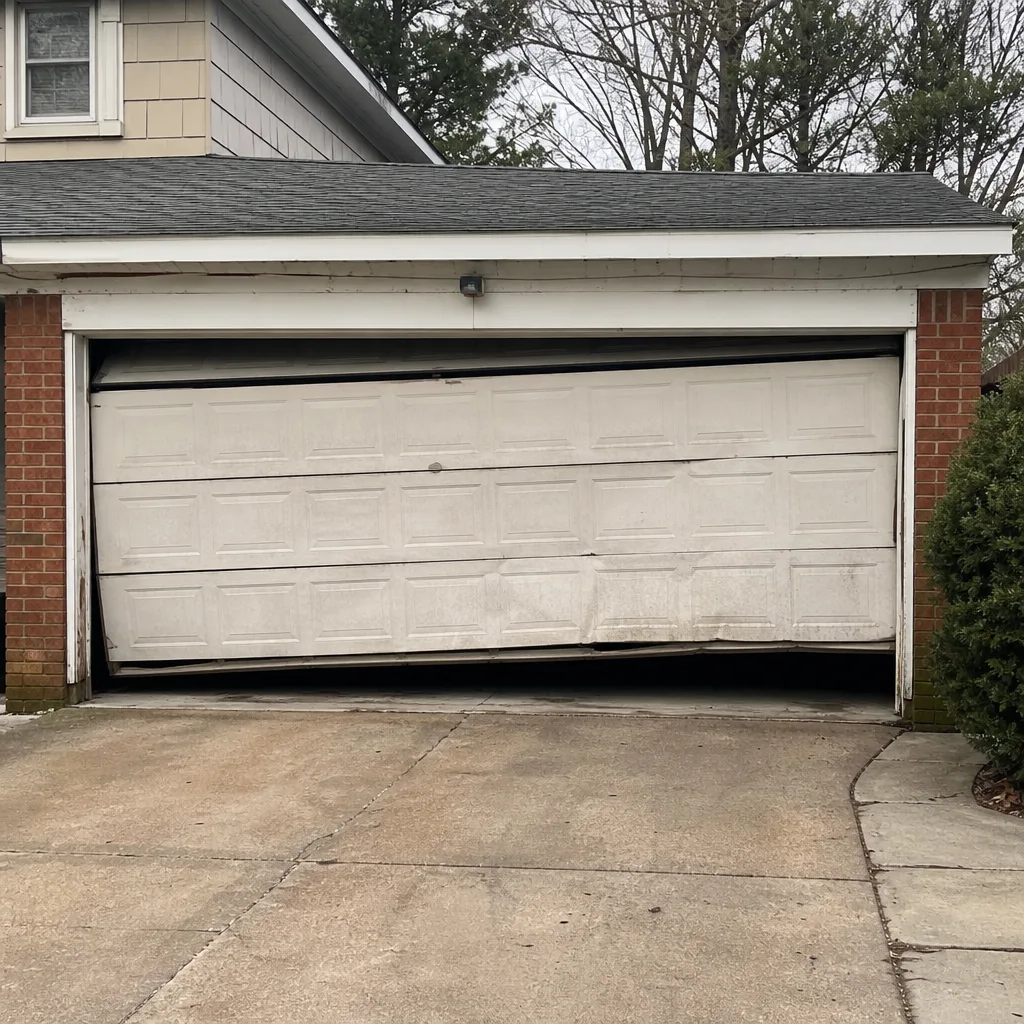 Before
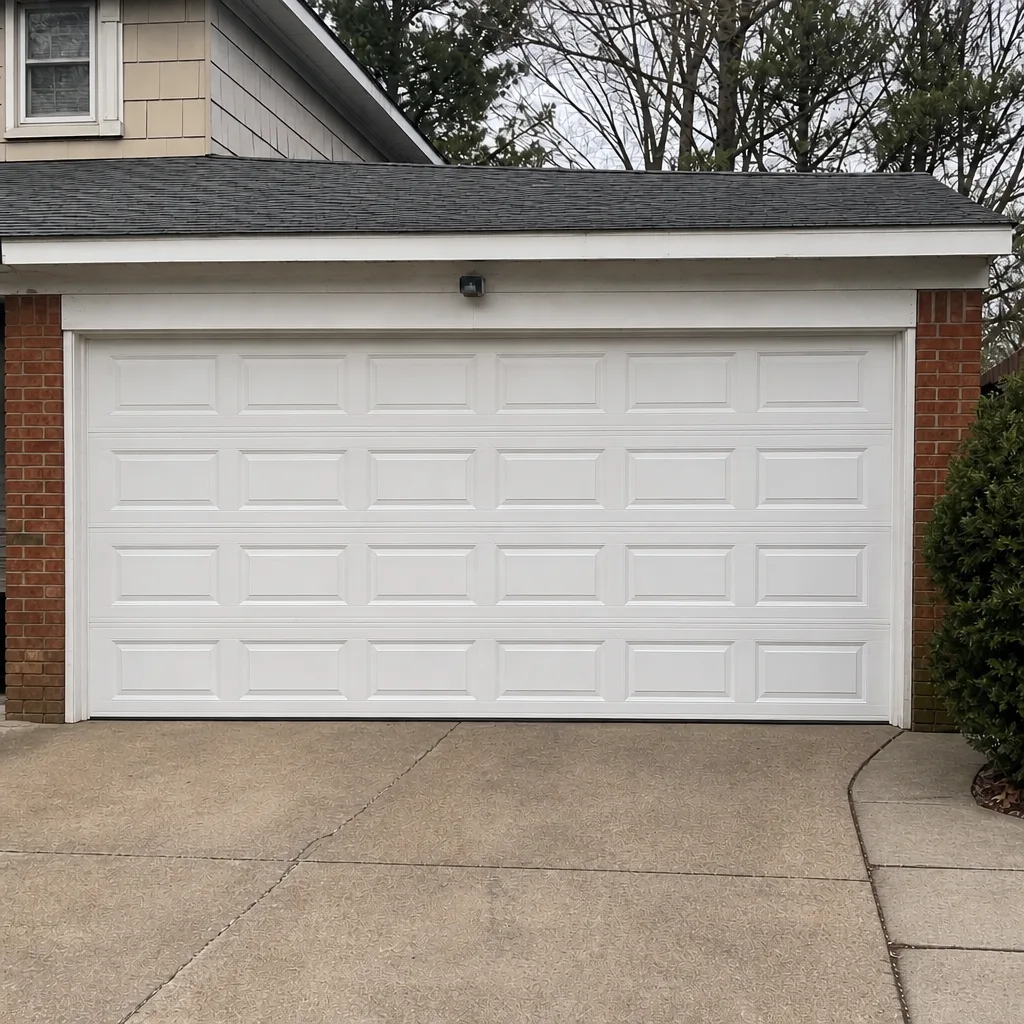 After
 Before
 After
 Before
 After
Frequently Asked Questions
For most homes here, Clopay, Amarr, and Wayne Dalton are practical picks because their parts are widely distributed in Middlesex County and available from local supply houses. The best brand for your home also depends on door weight, insulation needs, and what opener you already own, so a free measure and written quote is the right way to settle it.
No. A LiftMaster, Chamberlain, or Genie opener will lift most residential doors as long as it’s rated for the door’s weight and height. The brands matter more for smart-home features, since MyQ and Genie ecosystems don’t talk to each other, and it’s worth checking compatibility if you want one app to control everything.
If the garage shares a wall or is under living space, yes, an insulated three-layer door helps hold heat out in summer and in during winter. For a detached, unheated garage, the upgrade does less, and you can save the money. It’s about matching the door to how the space is actually used, not about climate alone.
We don’t quote installed prices without seeing the door and measuring, since panel size, insulation, windows, and opener compatibility all change the number. The written estimate sets the final price, and the measure is free, so the right first move is to call (855) 658-5248 and get a written quote rather than compare brands on a website.
We work on the brand already in your garage across LiftMaster, Chamberlain, Genie, Clopay, Amarr, Wayne Dalton, Craftsman, and Raynor. If your door is from a manufacturer outside that list, tell us the model and we’ll let you know what’s possible before anyone comes out, and parts availability sometimes makes the repair-versus-replace call for you.
Often, yes, for repair calls, since we handle emergency garage door service and dispatch quickly. If a spring snaps or an opener dies and leaves a car trapped, call (855) 658-5248. We answer 24/7. Fast dispatch from 7am to 7pm, Sunday through Friday, and the price is set in writing before any work starts. For a new door, the work is measured and scheduled rather than same-day.
What does a limited lifetime warranty actually cover?
Usually the door’s structure and finish, not the springs, rollers, or opener inside it; those moving parts carry much shorter terms. The warranty document from the specific manufacturer is the only thing that binds them, so read it before you compare brands, and make sure the installation meets the manufacturer’s requirements so the coverage isn’t voided.
When to Call a Professional
Some choices in this guide are yours to make, and some jobs are for a trained technician. Call a professional if a torsion spring has snapped or the door won’t lift, since high-tension springs and cables can cause serious injury when handled without the right tools. Call if the door has jumped its track, if the opener runs but the door doesn’t move, if you notice a frayed or loose cable, or if the door is visibly out of balance and slams or strains. Those are safety issues, not projects to tackle on a ladder. Panel and door replacement, or a full new-door installation, also start with a professional measure and estimate. Edison Garage Door Repair Co offers free estimates in Edison. Call (855) 658-5248. Our technicians have up to 9 years of experience, and we do the work, from spring repair through full installation, so there’s no handoff to a second vendor.
The Bottom Line
The best garage door brand for an Edison home is the one whose parts are stocked nearby and whose construction suits this climate, not the one with the loudest national advertising. Prioritize local availability, then gauge and insulation, then opener compatibility and smart-home features, and read the limited lifetime warranty for what it actually covers. If you’re reusing an existing door from a brand that’s hard to get parts for, factor in that wait, because the fix can take far longer than the diagnosis. Pick the door and opener as one decision, get a free measure and a written price before you order, and keep the same team for the maintenance later.
Need help choosing, or a repair on the door you already have? Call Edison Garage Door Repair Co at (855) 658-5248 for a free estimate. We work on the brand already in your garage and cover the full lifecycle, from garage door spring repair to complete new installations. We answer 24/7. Fast dispatch from 7am to 7pm, Sunday through Friday.
Written by the team at Edison Garage Door Repair Co.