
Last updated November 22, 2026
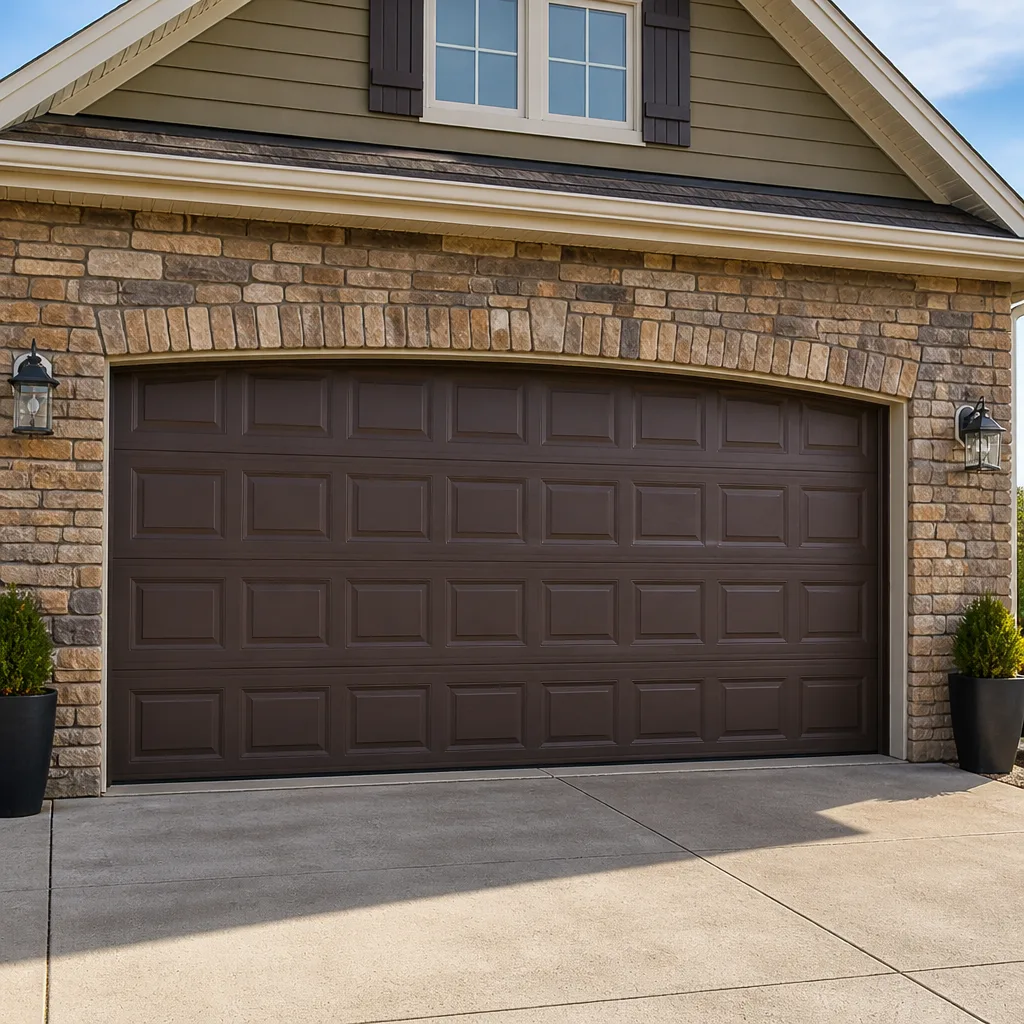 Raised-panel steel
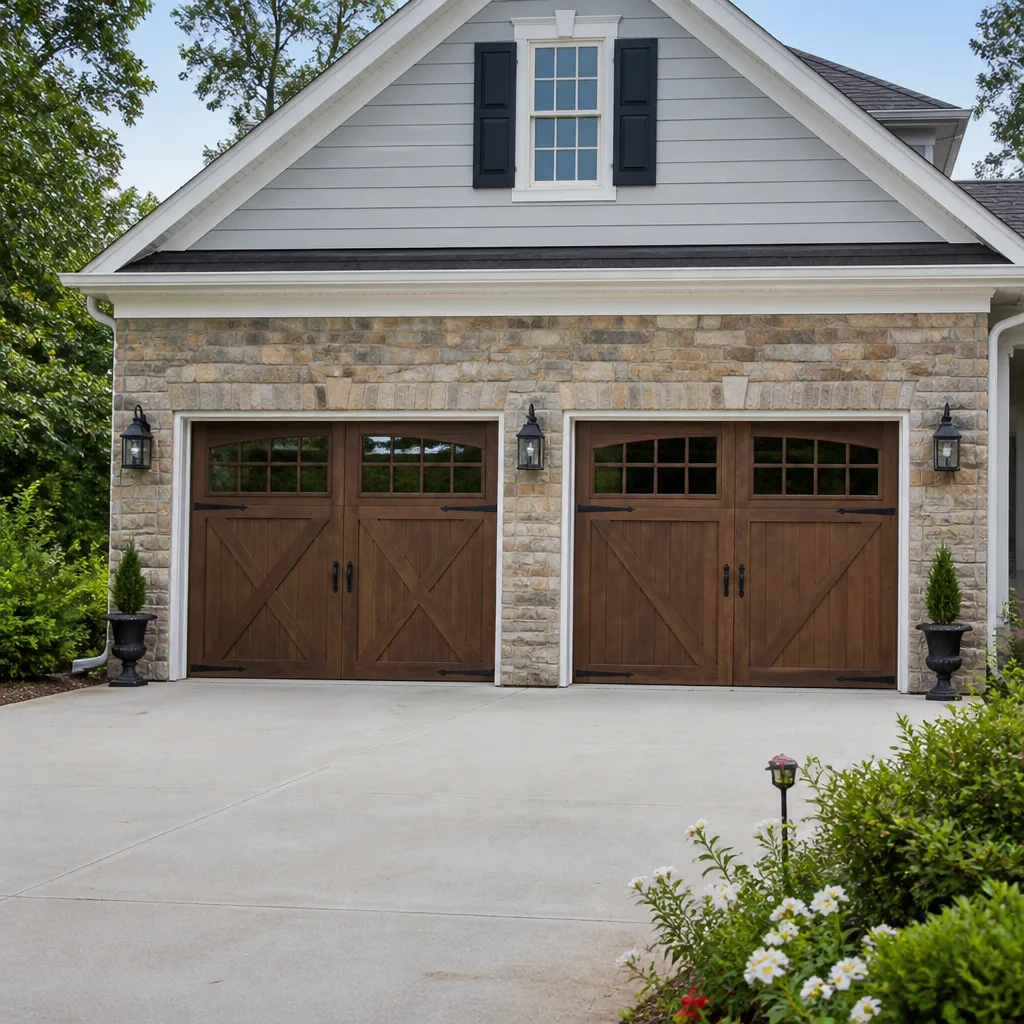 Carriage house
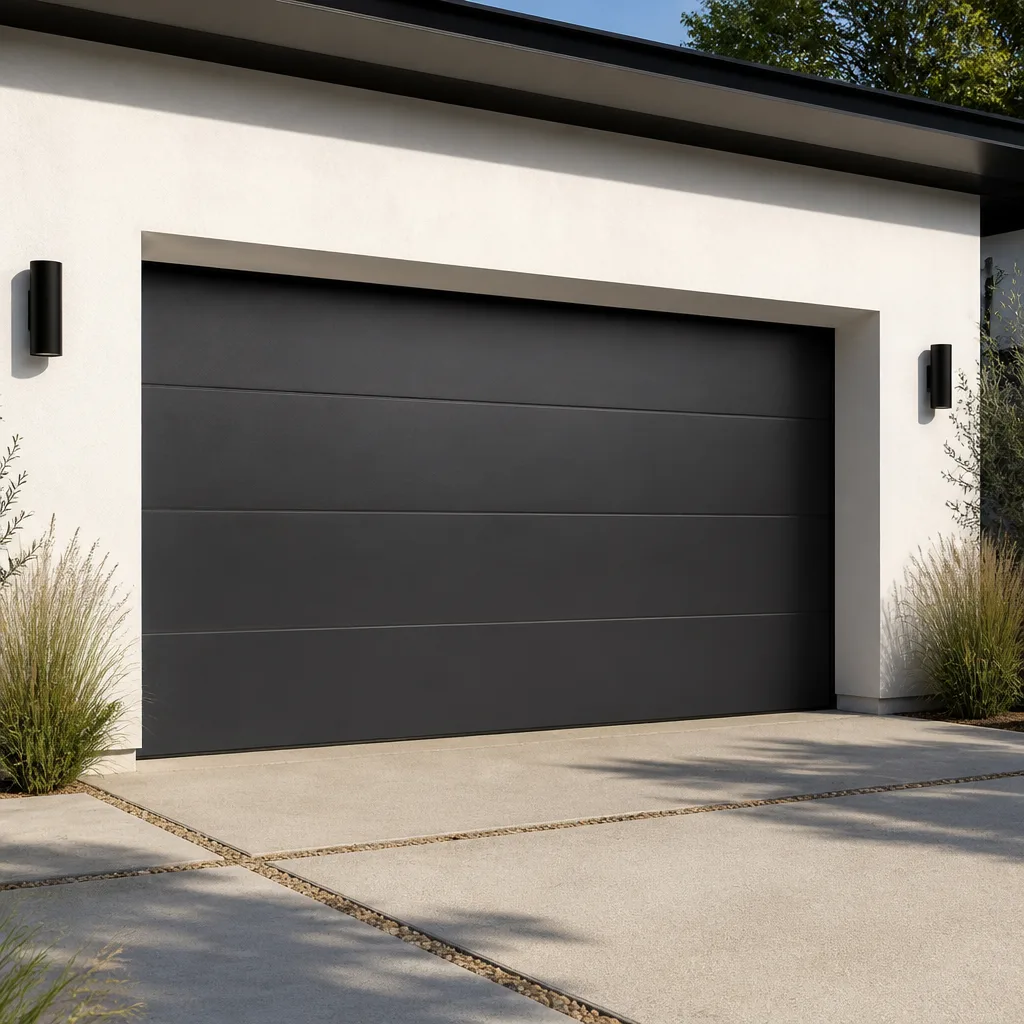 Modern flush
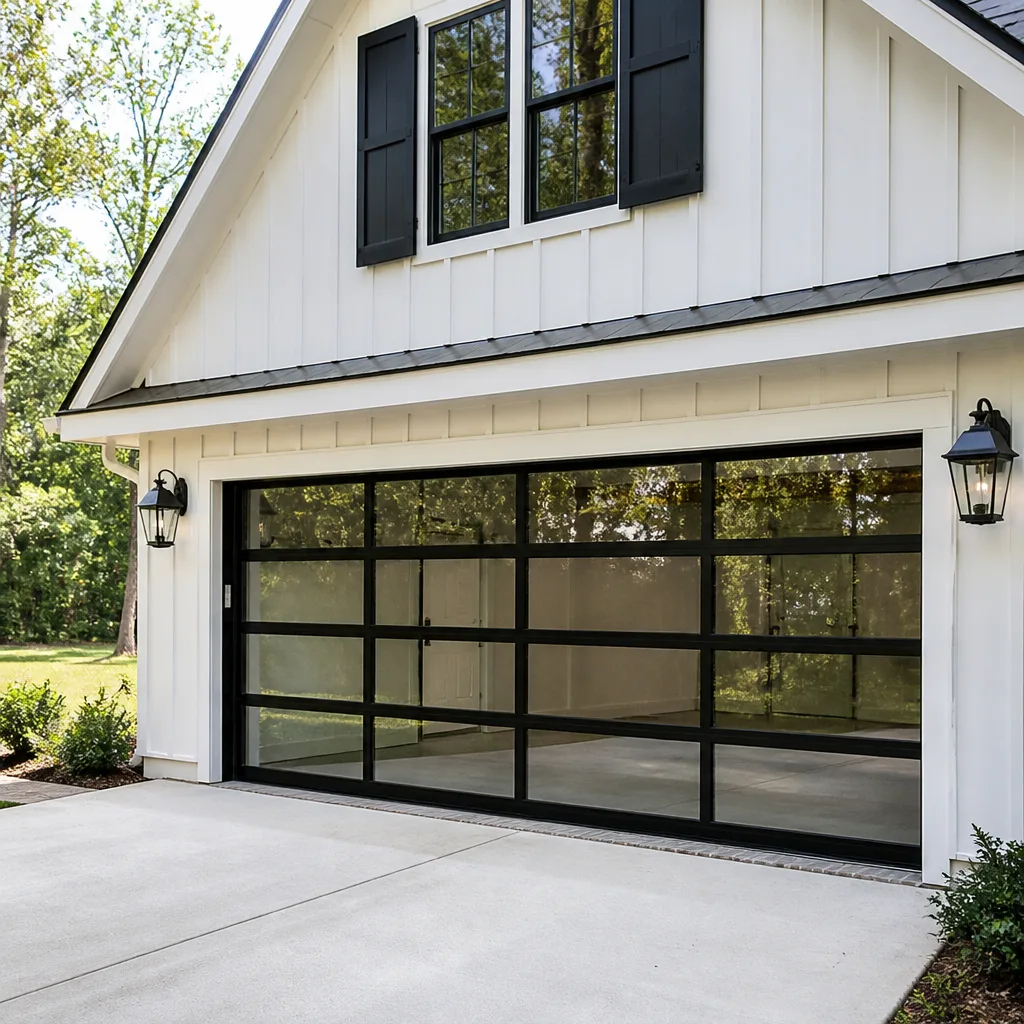 Full-view glass
 LiftMaster openers
 Chamberlain openers
Full 25-point door and opener safety check with every visit - springs, cables, rollers, tracks, and your LiftMaster or Chamberlain opener included
You get a price before we start. It does not change when the pro arrives.
Get your free estimateSeasonal Garage Door Care for Edison: Year-Round Homeowner’s Guide
Most homeowners assume winter is the hardest season on a garage door. In our experience around Edison, that’s backwards. The door that sails through a steady cold snap often seizes in March, when freeze-thaw cycling works metal and seals back and forth until something gives. The real damage happens in the transition windows: the November setup, when temperatures drop below 20°F and standard grease turns to paste, and the March thaw, when frost heave shifts the slab and pulls your bottom seal out of line. This guide walks through both windows and the quieter summer and fall months between them, so you know what to check, what to leave alone, and what belongs in the hands of a trained technician.
Quick Answer
Garage door care in Edison follows two hard seasonal deadlines: prep the door before the first hard freeze in November, and inspect the whole system after the March thaw, when frost heave and fatigue show up as gaps, misalignment, and slow cycles. Between those windows, the priorities are clearing fall leaves from the tracks, managing summer humidity on wood and composite doors, and watching your opener for strain signals so a failure gets caught before it strands a car. High-tension springs and cables are never a homeowner job.
Styles & brands we work with
- Raised-panel steel
- Carriage house
- Modern flush
- Full-view glass
- LiftMaster openers
- Chamberlain openers
Table of Contents
- The November Freeze Setup: Why Your Grease Needs to Change
- The March Thaw Recovery: Frost Heave and Bottom Seal Gaps
- Summer Humidity and Edison’s 1980s-Era Wood and Composite Doors
- Fall Leaf and Debris Buildup in the Track System
- Reading Opener Strain Signals Before Failure
- Your Month-by-Month Edison Garage Door Checklist
- What to Check Yourself and What to Leave to a Technician
The November Freeze Setup: Why Your Grease Needs to Change
Before Edison temperatures settle below 20°F, the lubricant in your door’s moving parts has to be the right one. Standard lithium grease stiffens in hard cold. It thickens to the point where rollers drag instead of roll, hinges bind, and the opener has to work harder for every cycle. That extra load is what shortens motor life and, in a cold snap, can leave you with a door that won’t open at all. Switching to a low-temperature lubricant designed for cold weather keeps the moving parts slick when the thermometer drops.
The November protocol for an Edison door looks like this:
- Lubricate hinges, rollers, and the torsion bar bearings with a cold-rated garage door lubricant, not general-purpose grease. A white lithium or silicone-based product made for low temperatures stays fluid below freezing.
- Inspect the weather seal along the bottom and sides. Cold makes a worn rubber seal brittle; a seal that’s already cracked will split open once the freezing starts. Replace it before that happens.
- Check the balance of the door. Disconnect the opener and lift the door halfway by hand. It should stay put. A door that drifts down is fighting its springs, and that extra effort shows up as strain on the opener once the cold thickens everything up.
- Clear the tracks. Any debris that rode along through summer will freeze in place and score the rollers.
We work on the brand already in your garage, so a LiftMaster or Craftsman door gets the same attention to its specific hardware as a Raynor or Wayne Dalton system. Getting the November prep right means the door doesn’t spend the winter straining.
The March Thaw Recovery: Frost Heave and Bottom Seal Gaps
March is when Edison garage doors show what winter did to them. Frost heave is the main culprit. As the ground thaws, the soil around your foundation shifts, and a slab-on-grade garage floor can move with it. The door itself sits level, but the floor it seals against has shifted a fraction of an inch, which is enough to open a gap along the bottom seal and let water, cold air, and pests under the door.
Edison’s older neighborhoods have a particular relationship with frost heave. Homes with older foundations, especially the 1980s-era colonials common in several parts of town, often have a garage slab that has moved more than once over the years. The door that sealed fine in the fall can sit unevenly against that slab by spring. What to check after the thaw:
- Run a hand along the bottom seal. Any daylight or gap means the seal isn’t making contact. It may need replacement, or the door may need to be re-adjusted.
- Look at the track alignment. Frost-moved floors can pull the vertical track out of plumb, especially if the track was anchored near a slab edge.
- Listen for a change in sound. A door that’s harder to close than it was in December is telling you something shifted.
- Check for rust blooming at the track anchors. Water intrusion from a gap often shows up here first.
If the door is visibly out of alignment, stop using it until a technician looks at it. A misaligned door that keeps cycling can bend panels and put uneven load on springs. If you need garage door repair after the thaw, we can look at it and give you a written estimate before any work starts.
Summer Humidity and Edison’s 1980s-Era Wood and Composite Doors
Summer in Edison brings humidity that goes after wood and composite doors in a way that metal panels shrug off. The 1980s-era colonial homes across the older parts of town frequently still have wood or wood-composite doors. Wood absorbs moisture, swells, and can warp. A door that was flat in April can cup slightly by July, which throws off the seal and puts stress on the hinges and the opener.
What to watch for during humid months:
- Cupping or warping on the bottom and mid panels. If you can see daylight under a section that used to sit flush, humidity is the likely cause.
- Paint and finish failure. A wood door needs its finish intact to resist moisture. Touch up any cracking or peeling before the summer rains get into the grain.
- Sticking hinges and rollers. Humidity can cause light rust on steel hardware. A summer lubrication pass keeps things moving.
- Seal shrinkage. Some rubber seals shrink in heat and pull away from the jambs.
Composite doors handle humidity better than solid wood but still need the same attention to the bottom seal and the finish. A thorough summer inspection catches these issues early, and if a panel has warped badly, a repair may be the better fix than waiting for the whole door to fail. Our garage door repair service handles panel replacement and door repair, so you don’t need a separate vendor to deal with one worn section.
Fall Leaf and Debris Buildup in the Track System
Edison’s mature tree canopy is beautiful in October and a garage door problem by November. Leaves, twigs, and seed pods blow against the door and work their way into the track system. A track isn’t just a channel for the rollers; it’s a precision path, and any debris in it scores the rollers, wears the track surfaces, and can cause the door to bind. In older neighborhoods with big oaks and maples, this accumulation happens faster than most homeowners realize.
A fall track-cleaning routine:
- Clear the area around the door base. Rake leaves away from the bottom seal so they don’t get jammed under the door as it closes.
- Wipe out the vertical and horizontal tracks with a dry cloth. A damp rag on a steel track can leave moisture that promotes rust.
- Check the rollers for debris buildup. A roller packed with grit won’t roll smoothly and puts extra load on the opener.
- Blow out the opener rail and photoelectric sensors so a stray leaf doesn’t trigger a false safety reversal.
It’s a fifteen-minute job that pays for itself by keeping the door running smoothly into winter. If you find the tracks bent or badly scored, that’s a repair rather than a cleaning task, and it’s worth an inspection before the cold sets in.
Reading Opener Strain Signals Before Failure
Your opener usually tells you months before it fails. The signals are subtle, and most homeowners don’t notice them because the opener keeps working. But a motor under strain runs hotter and cycles slower, and that’s your warning. Catching these signs in October means you’re not dealing with a dead opener in a January cold snap.
Strain signals to listen for:
- Longer cycle times. If your door takes noticeably longer to open or close than it used to, the opener is fighting resistance. That resistance often comes from stiff grease, a binding track, or a worn spring.
- Motor heat. After several cycles, feel the opener housing. If it’s running hot, the motor is working too hard.
- Unusual sounds. Grinding, squealing, or a chattering sound from the opener rail points to worn gears or a misaligned door.
- Lights dimming during the cycle. A struggling motor draws more current, and you may see the opener light flicker.
- Safety reversal on the way down. If the door reverses unexpectedly, a binding door is one of the culprits to check.
An opener that’s showing strain often needs a simple adjustment or a part swap, not full replacement. Getting garage door opener repair early, before the failure, keeps a manageable fix from turning into an emergency. We work on LiftMaster, Chamberlain, Genie, Craftsman, and the rest of the eight major brands we’re certified on, so we know the strain points for each one.
Your Month-by-Month Edison Garage Door Checklist
Here’s how the whole year lines up in Edison. Treat this as the master routine, and slot in the detail sections above where they apply.
| Month | Focus | Key Actions |
|---|---|---|
| March | Thaw recovery | Check bottom seal for frost-heave gaps; inspect track plumb; watch for harder closing |
| April | Post-winter tune-up | Lubricate moving parts; test balance; inspect hinges and rollers |
| May-June | Humidity watch | Check wood/composite panels for cupping; touch up finish before summer rain |
| July-August | Heat and seal care | Look for seal shrinkage; re-lubricate hardware against summer rust |
| September | Pre-fall checklist | Test opener safety reverse; check sensors; note any new noises |
| October | Leaf season | Clear leaves, twigs, and seed pods from base and tracks; clean rollers |
| November | Freeze setup | Switch to cold-rated grease; inspect seals; test balance; clear tracks |
| December-February | Cold operation | Watch for opener strain; avoid forcing a frozen door; call if it won’t open |
If you’d rather have a technician run the year-end and post-thaw checks for you, we do both as part of garage door spring repair and general door service visits.
What to Check Yourself and What to Leave to a Technician
Some seasonal tasks are safe for a careful homeowner. Some absolutely are not. The dividing line is spring tension and anything electrical.
Safe for a homeowner:
- Wiping debris from the tracks
- Lubricating hinges and rollers with cold-rated grease
- Testing the door balance by hand with the opener disconnected
- Clearing leaves and twigs from around the base and sensors
- Testing the safety reverse function
Leave to a trained technician:
- Adjusting or replacing torsion or extension springs
- Working on the cables and drums
- Replacing the opener motor or its internal parts
- Re-aligning a track that’s been knocked out of plumb
- Any work that involves opening the opener housing or touching the wiring
Garage door springs are under extreme tension. A spring or cable that lets go while you’re working near it can cause serious injury. This is the seasonal care task where the right answer is always to bring in a trained technician. Our technicians, with up to nine years of experience, handle spring repair as a routine part of the work, and that’s how it should be.
Common Mistakes to Avoid
- Using standard lithium grease in November. It stiffens below 20°F and turns your door’s lubricated parts into a dragging, straining system. Switch to a cold-rated garage door lubricant before the first hard freeze.
- Ignoring the bottom seal after the thaw. A seal gap from frost heave lets water in and keeps the door from sealing evenly, and the gap will only widen as the ground settles. Check it in March.
- Forcing a frozen door open. If the seal or the tracks have frozen, pulling the door puts breaking strain on the opener and can bend panels. Get the ice cleared first, then try.
- Letting fall leaves sit in the tracks. In Edison’s older, tree-heavy neighborhoods, debris builds fast. A leaf-packed track scores rollers and bends the door path out of alignment.
- Overlooking summer humidity on a wood door. A cupping panel that isn’t refinished will keep absorbing moisture and throw the door out of true over several seasons.
- Greasing the plastic parts of the track or the opener rail path. Lubricant on the track surfaces attracts dust and grit. Grease belongs on the rollers, hinges, and torsion bar bearings, not the tracks themselves.
- Adjusting the springs yourself. Torsion and extension springs carry serious stored force. This is not a task for a homeowner, ever, no matter how many videos you watch.
See the difference
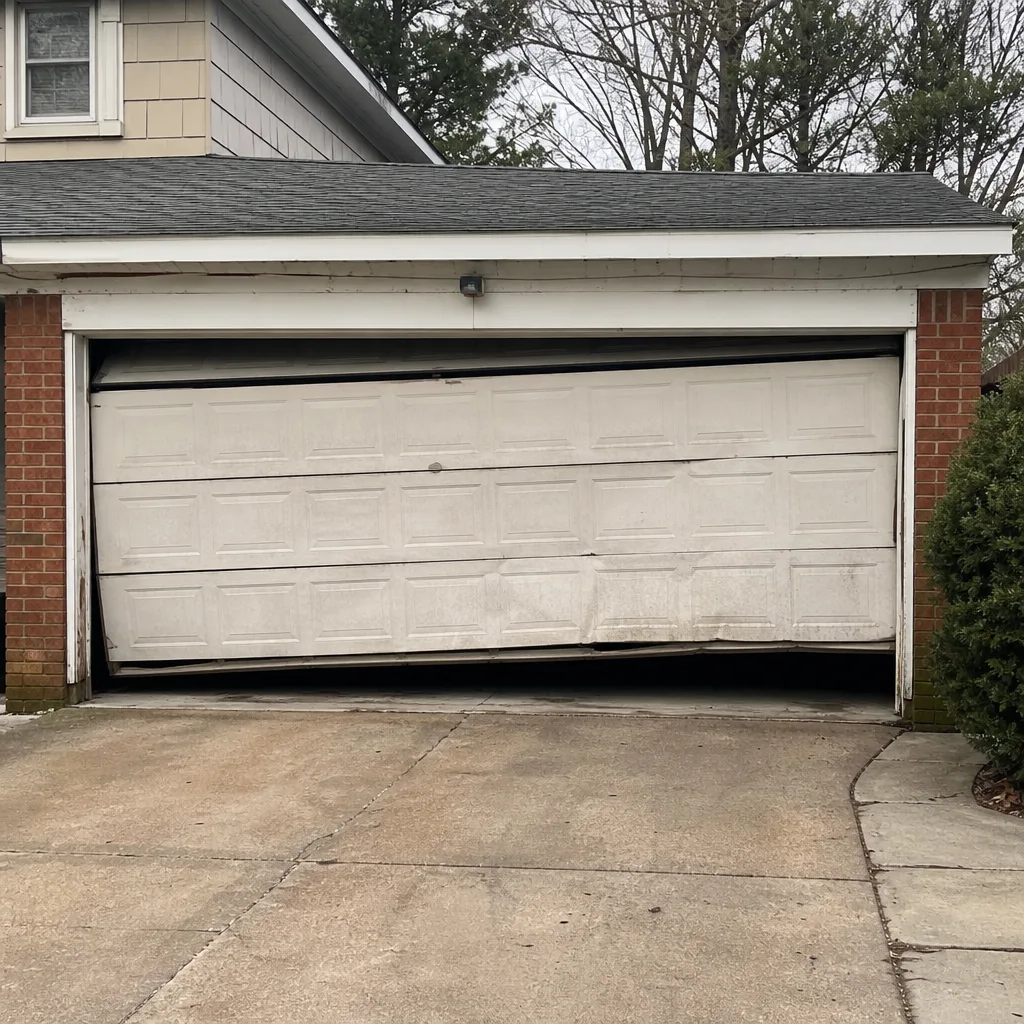 Before
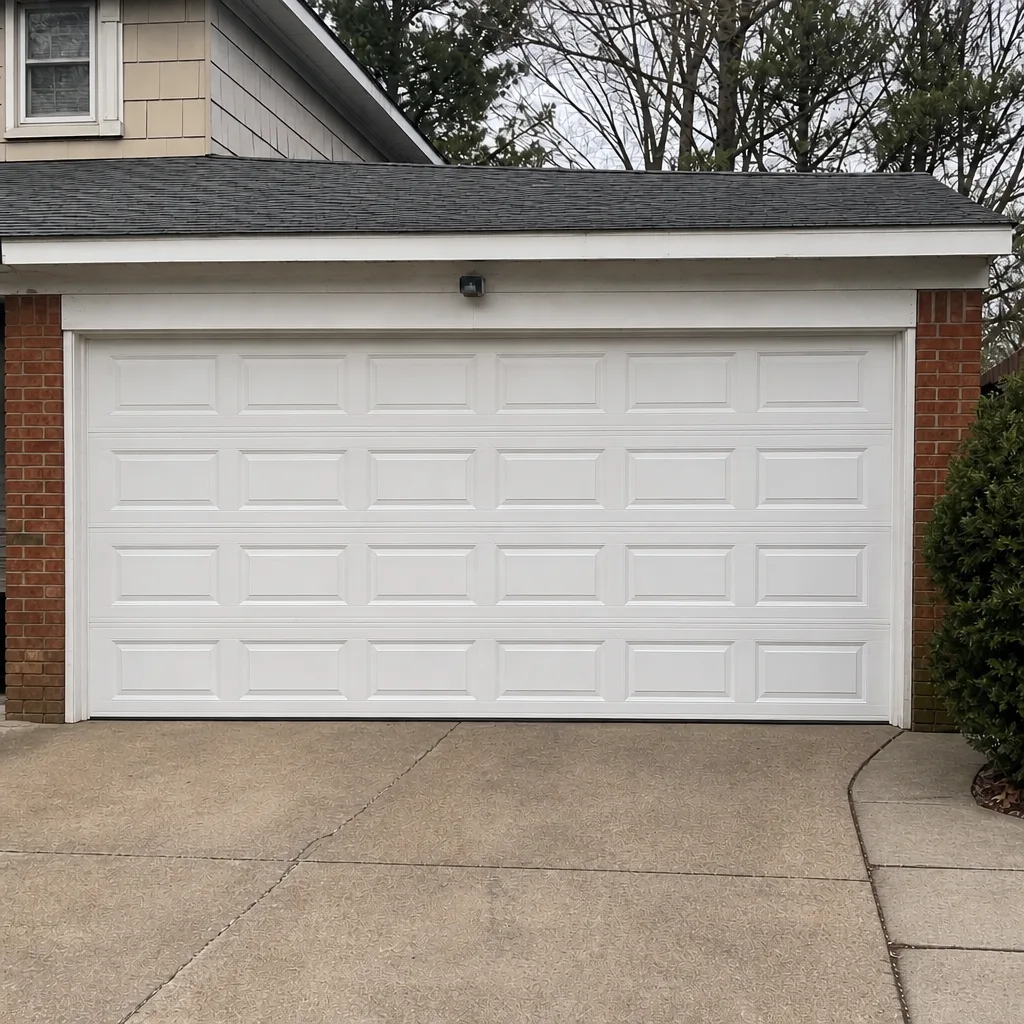 After
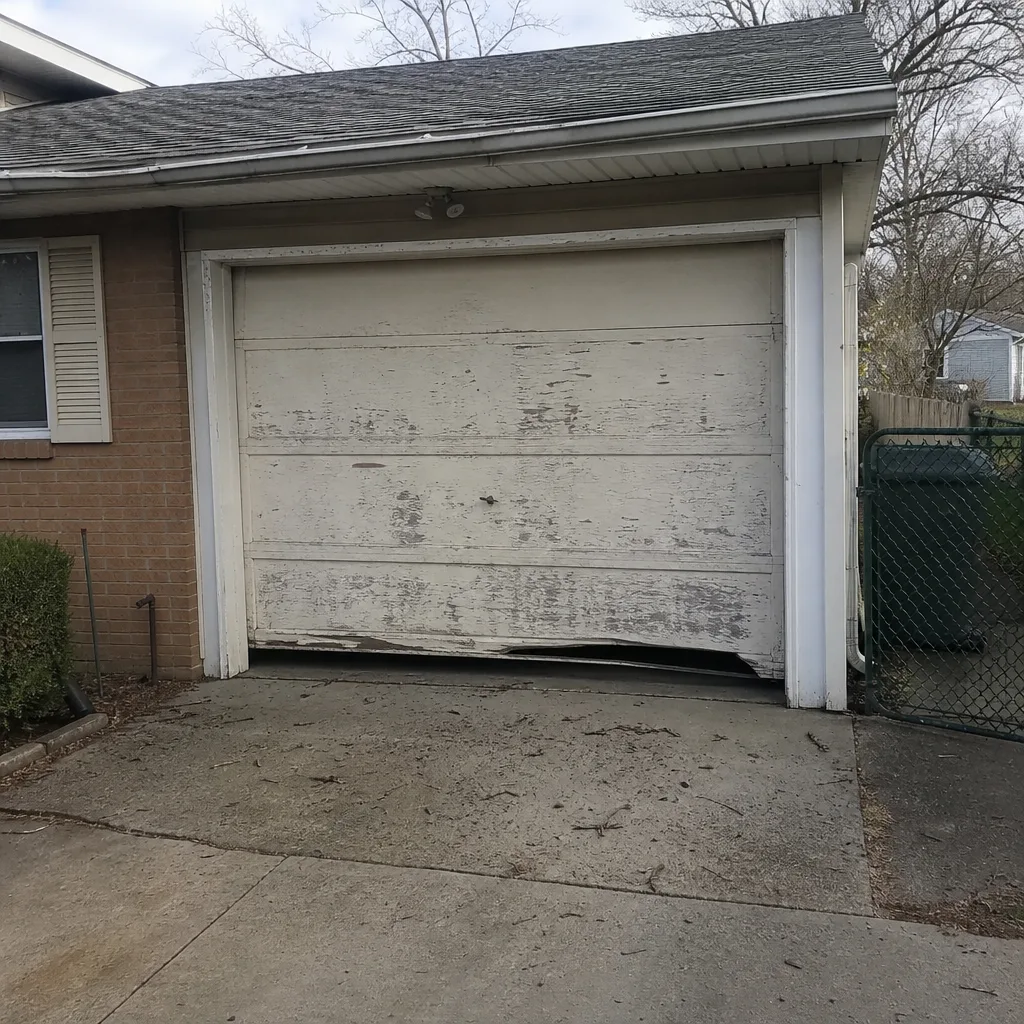 Before
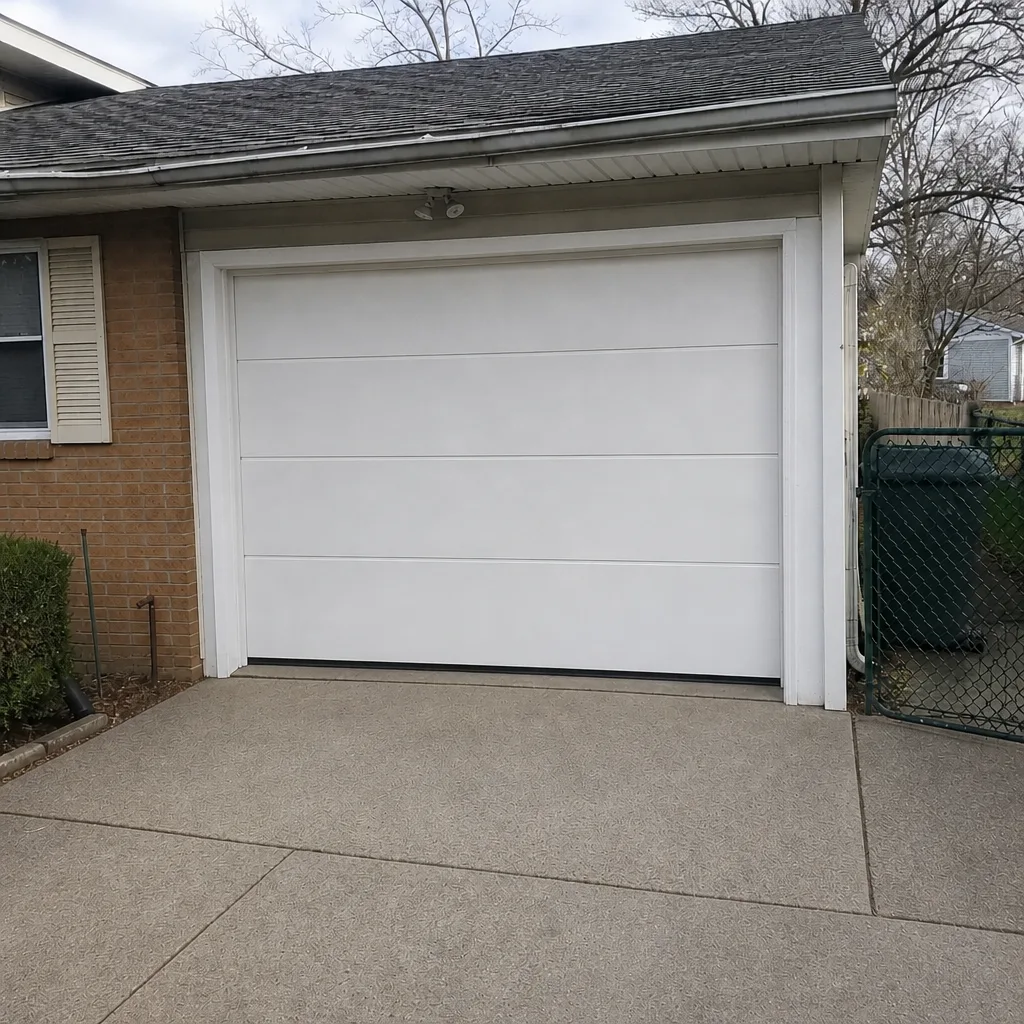 After
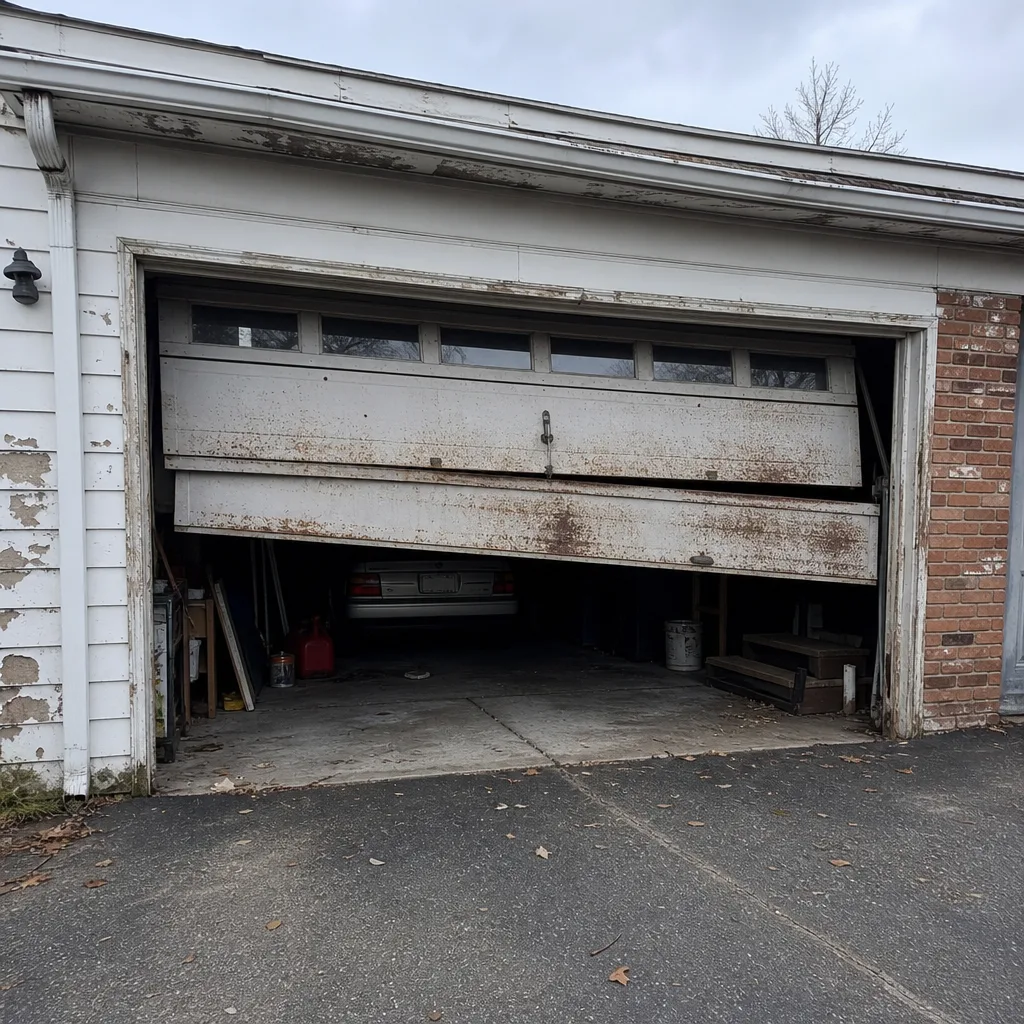 Before
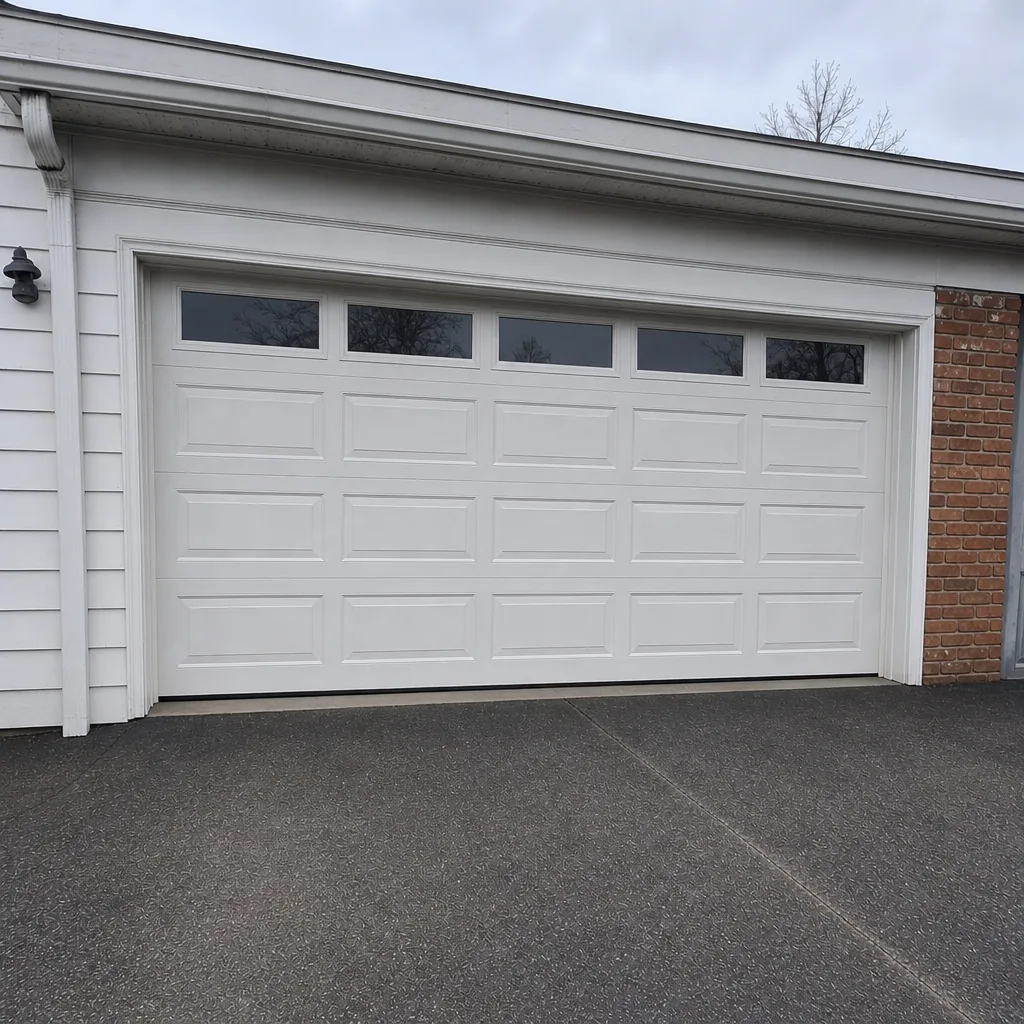 After
When to Call a Professional
Some seasonal issues are a matter of routine care. Others need a trained technician. Call a professional if your door won’t open or close at all after the freeze or thaw, if you see gaps along the bottom seal that don’t close when the door comes down, if the door is visibly out of alignment in its tracks, if the opener is running hot or cycling slowly, or if you hear grinding, squealing, or a popping sound from the spring area. Any spring or cable problem is a professional call, full stop.
Edison Garage Door Repair Co offers free estimates in Edison. Call (855) 658-5248. We answer 24/7, with fast dispatch from 7am to 7pm. We’ll look at the door, tell you what’s wrong, and give you a written price before any work starts.
Frequently Asked Questions
Two times a year matter most: late November, before the first hard freeze, and early March, after the thaw. November is when you change the grease, check the seals, and verify the door balances. March is when you check for frost-heave gaps and track misalignment. Call (855) 658-5248 to schedule a check around either window, and estimates are free.
Standard lithium grease thickens below 20°F and makes the door’s moving parts drag instead of roll, which puts extra load on the opener. Using a cold-rated garage door lubricant keeps hinges, rollers, and bearings moving freely through the winter. If you’re not sure what’s already on the door, have a technician look before switching products. Call (855) 658-5248 for an estimate.
Frost heave is the ground around your foundation shifting as it thaws, and it can move a slab-on-grade garage floor just enough to open a gap under the bottom seal. The door checks fine at the top and lets water in at the bottom. Check the seal after the March thaw and have a technician adjust the door or replace the seal if you find a gap. Estimates are free at (855) 658-5248.
No. Garage door springs are under extreme tension, and a spring or cable that releases during adjustment can cause serious injury. Seasonal maintenance on springs, cables, and any opener internals belongs to a trained technician. Our technicians, with up to nine years of experience, handle spring repair as a routine part of the work. Call (855) 658-5248 for an estimate.
Some added noise in cold weather is normal, but grinding, squealing, or a noticeably slower cycle means the opener is straining. Cold-thickened grease, a binding track, or a worn spring are the usual causes. Catching it early is a fix; ignoring it usually means an opener failure down the road. Call (855) 658-5248 and we’ll take a look.
Yes. Edison’s summer humidity causes wood and composite doors to swell and cup, especially the 1980s-era doors still common in older parts of town. Check the panels for warping, touch up any cracking finish, and watch the bottom seal. If a panel has warped badly, a section repair is often a better call than full replacement. Estimates are free at (855) 658-5248.
The Bottom Line
Year-round care of an Edison garage door comes down to two hard windows and the four months in between. Get the November prep right: cold-rated grease, sound seals, a door that balances, clean tracks. Get the March thaw checked: bottom seal, track alignment, and how the door sounds after winter. Between those windows, watch for summer humidity on wood doors, clear fall leaves before they work into the tracks, and listen for opener strain signals. Leave the springs and cables to a trained technician. If a seasonal check turns up something bigger than routine care, Edison Garage Door Repair Co can take a look.
From a broken spring to a brand-new door, we handle the whole thing. Call Edison Garage Door Repair Co at (855) 658-5248. We answer 24/7, with fast dispatch from 7am to 7pm and free estimates. Premium brands, the right part, and the right fix on the first visit. Precision over patchwork every season.
Written by the team at Edison Garage Door Repair Co.