
Last updated November 22, 2026
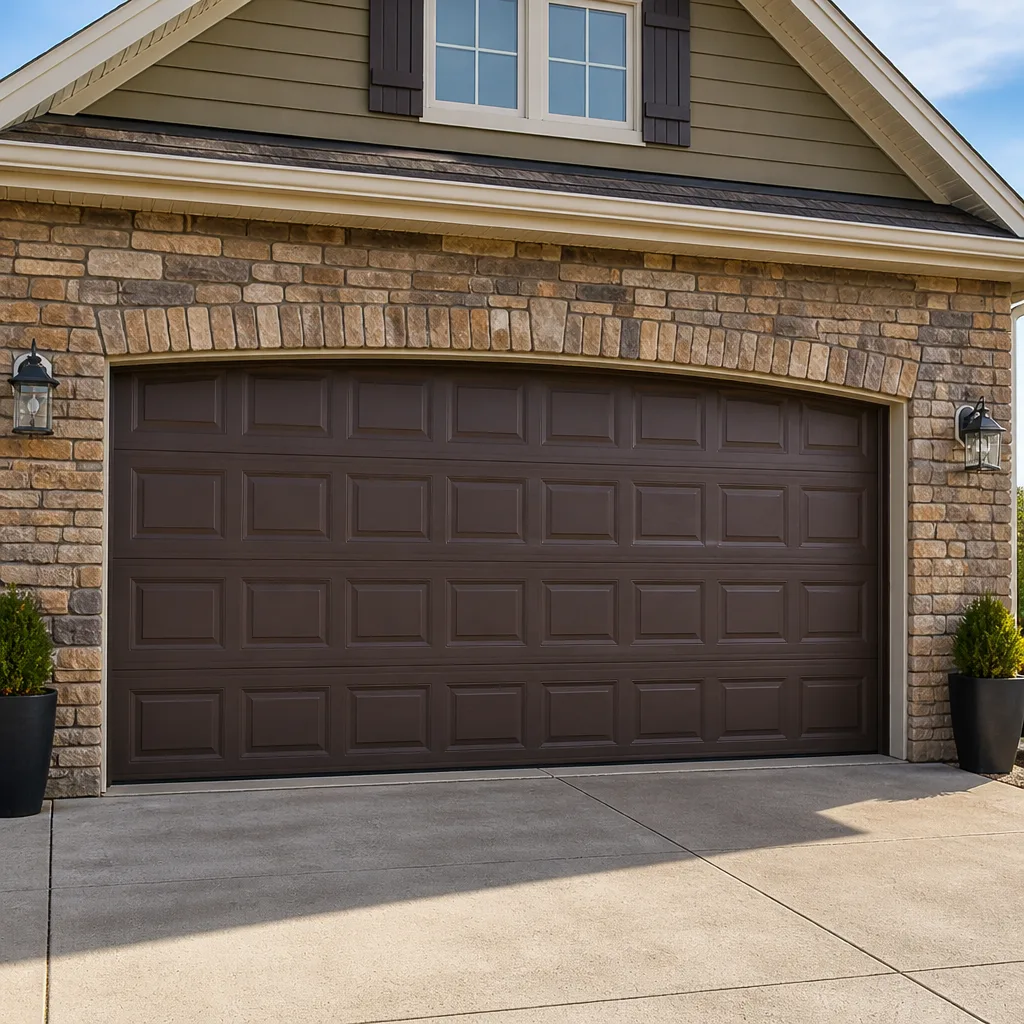 Raised-panel steel
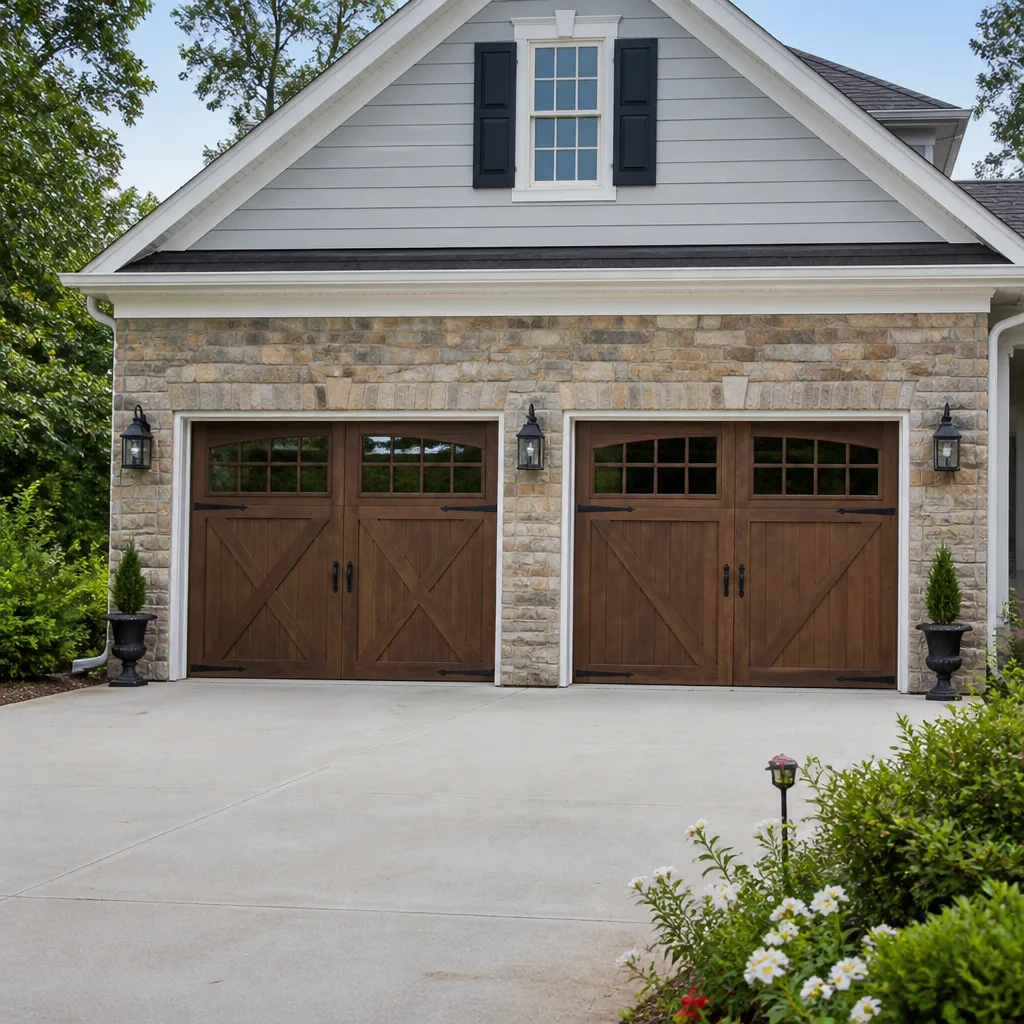 Carriage house
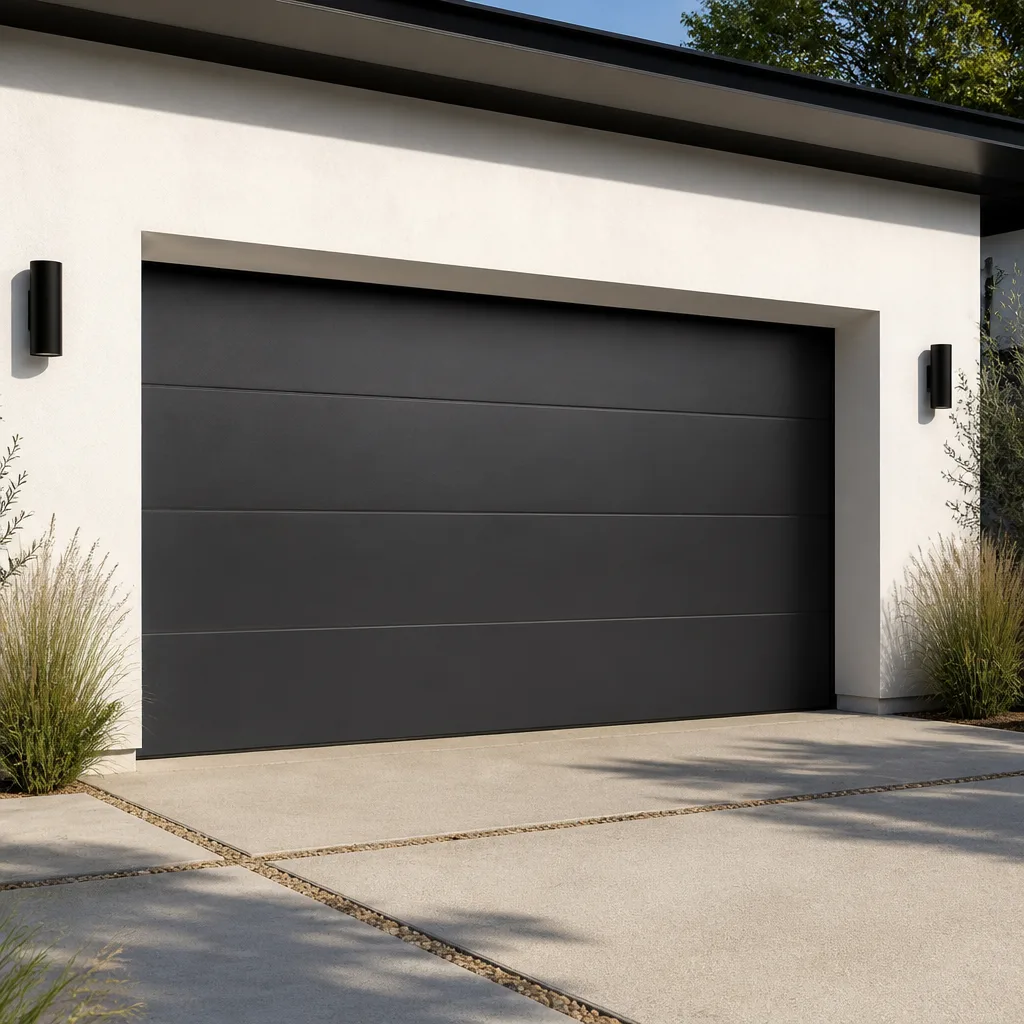 Modern flush
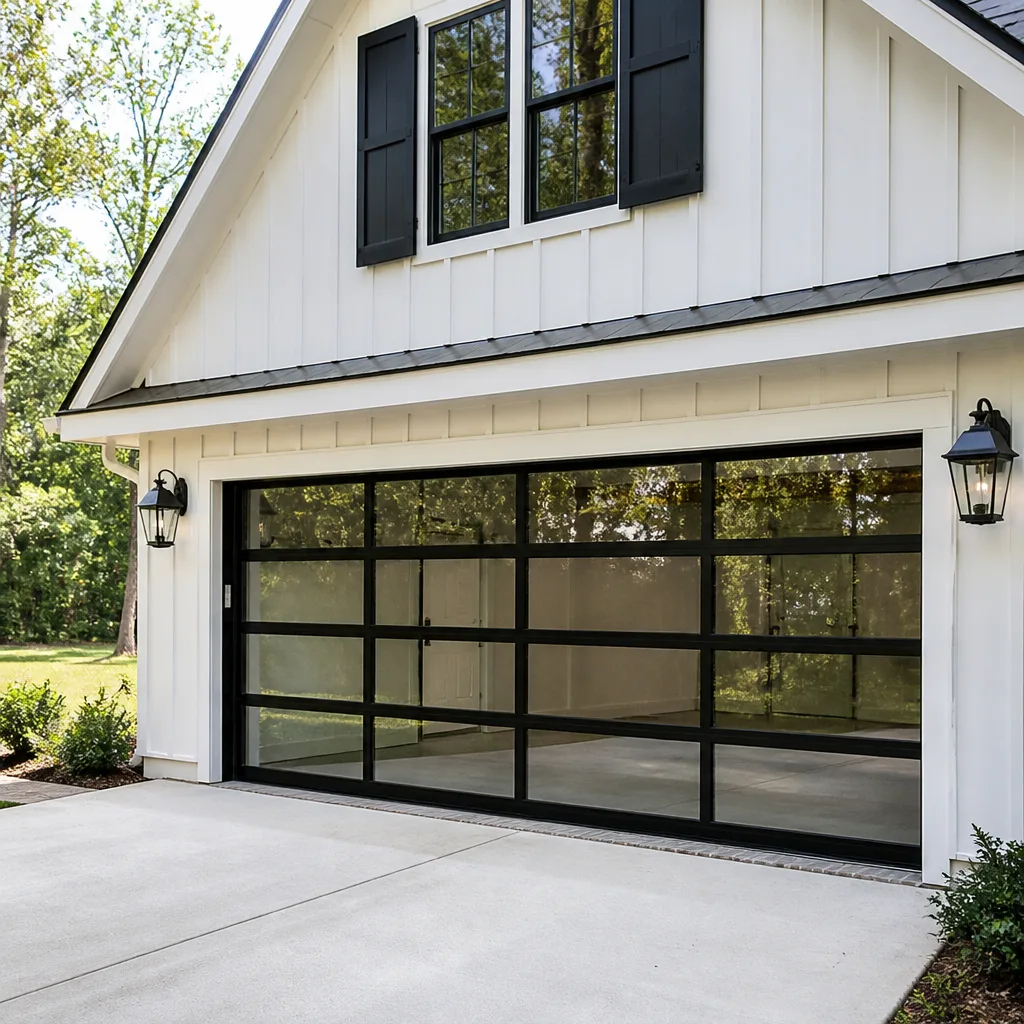 Full-view glass
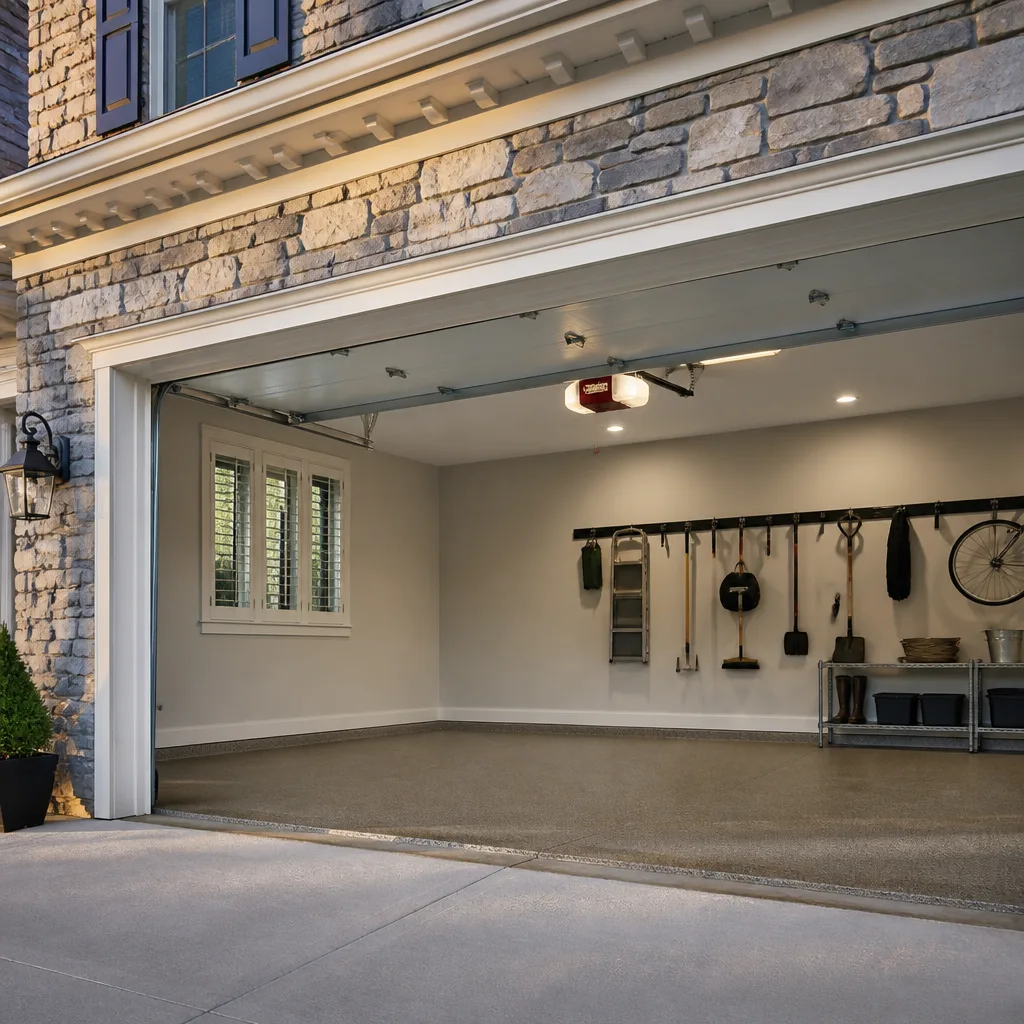 LiftMaster openers
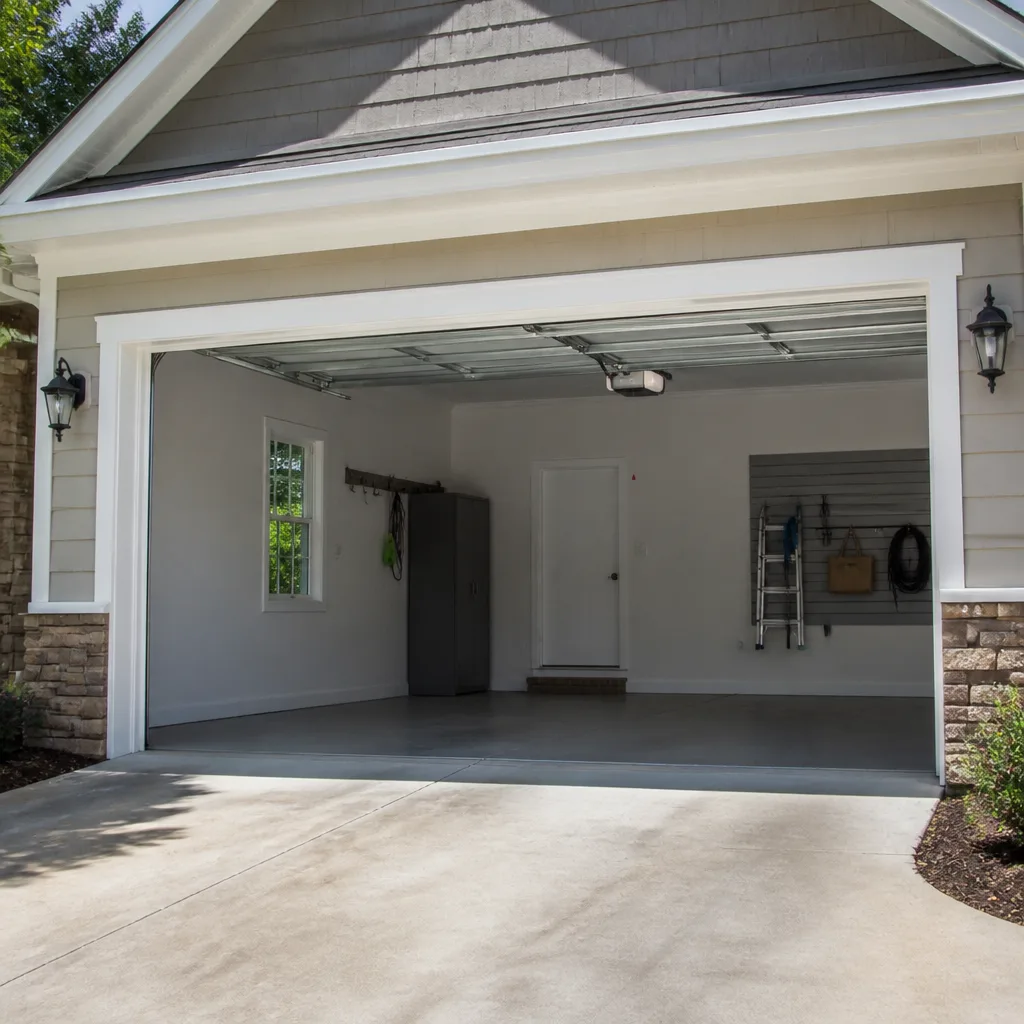 Chamberlain openers
Full 25-point door and opener safety check with every visit - springs, cables, rollers, tracks, and your LiftMaster or Chamberlain opener included
You get a price before we start. It does not change when the pro arrives.
Get your free estimateHow to Hire a Garage Door Contractor in Edison: A Step-by-Step Guide
New Jersey does not require a specialty license to call yourself a garage door contractor. That surprises most homeowners, and it should. It means a polished website and a wall of five-star reviews tell you almost nothing about whether the person quoting your torsion spring replacement can actually handle a high-tension system safely. In a town like Edison, where the housing stock runs from older split-levels to newer construction, the door in your garage could be a Wayne Dalton from the 1990s or a fresh Amarr install, and the person you hire needs to know the difference. This guide gives you a contractor interview framework that surfaces technical competence, checks the credentials that do exist, and helps you spot the quotes that hide problems. We’ll walk through the New Jersey registration requirement, the technical questions that separate specialists from generalists, and what a real warranty actually looks like.
Styles & brands we work with
- Raised-panel steel
- Carriage house
- Modern flush
- Full-view glass
- LiftMaster openers
- Chamberlain openers
Quick Answer
To hire a garage door contractor in Edison, verify their New Jersey Home Improvement Contractor registration through the state Division of Consumer Affairs, then interview them on brand familiarity, spring repair method, and warranty terms before you accept any quote. Ask for an itemized written estimate, confirm they carry liability insurance, and be skeptical of bundled “parts and labor” pricing that hides what you’re actually paying for. A competent contractor welcomes every one of those questions. A generalist will dodge them.
Table of Contents
- Why Vetting Matters More in New Jersey Than You’d Think
- Step 1: Verify Their NJ Home Improvement Contractor Registration
- Step 2: Ask the Five Technical Questions
- Step 3: Read the Quote for Red Flags
- Step 4: Understand Multi-Brand Experience vs. Single-Brand Authorization
- Step 5: Evaluate the Warranty on Parts and Labor
- When to Call a Professional
- Frequently Asked Questions
Why Vetting Matters More in New Jersey Than You’d Think
Most trades in New Jersey come with a state licensing board, an exam, and a credential you can look up. Garage door work doesn’t. There’s no specialty license for the trade, which means the barrier to entry is essentially a truck and a phone number. That’s not a knock on the many skilled technicians working in Edison and across Middlesex County. It’s a warning that the usual shortcut for hiring, checking reviews and assuming credentials, doesn’t apply here.
So the vetting has to happen in the conversation. A homeowner’s best protection is a structured interview: the right registration check, the right technical questions, and a written quote that itemizes what’s being done. Reviews tell you whether someone showed up on time. They don’t tell you whether they understand how to safely de-tension a torsion spring, which is the most dangerous repair in the category and the one most commonly botched by DIY attempts and inexperienced hands.
In Edison specifically, the mix of housing makes brand fluency matter. A contractor who only works on one manufacturer’s doors will struggle with the opener on your 15-year-old Craftsman system or the Wayne Dalton door that came with the house. The right question isn’t “do you have good reviews?” It’s “how many of the brands already installed in this town do you actually work on?”
That’s the framework this guide builds out, step by step. Done properly, it takes about twenty minutes and saves you from the expensive version of the lesson.
Step 1: Verify Their NJ Home Improvement Contractor Registration
New Jersey requires home improvement contractors to register with the Division of Consumer Affairs. It’s not the same as a trade license, but it is a real legal requirement, and it’s the one credential you can actually check. Registration means the contractor has filed with the state, which gives you recourse if something goes wrong. Unregistered operators work outside that system entirely.
Verification takes about a minute. Here’s the process:
- Ask the contractor for their Home Improvement Contractor registration number. A legitimate one will provide it without hesitation.
- Go to the New Jersey Division of Consumer Affairs website and use their license and registration lookup.
- Search by the registration number or the business name.
- Confirm the registration is active, not expired, and matches the business you’re talking to.
- Ask to see a certificate of liability insurance, and confirm the coverage is current.
Two things to watch for. First, a registration number that exists but belongs to a different business name than the one on the quote. Second, a contractor who says they’re “in the process” of registering. In New Jersey, that means they aren’t registered, and you’d be hiring someone operating outside the requirement.
When we connect Edison homeowners with a local professional, that pro is licensed and insured as their state requires, and asking for the registration number is part of how you confirm it. It’s a low bar by design, but it’s the floor, not the ceiling. The technical interview in the next step is where the real filtering happens.
Step 2: Ask the Five Technical Questions
These five questions separate brand-fluent specialists from generalists. You don’t need to know the answers yourself. You need to hear whether the person quoting your job can answer them specifically or talks around them. A specialist answers in plain, confident sentences. A generalist gives you the vague version.
1. “What brands do you work on regularly?”
The right answer names specific manufacturers and talks about the differences between them. Someone who works across multiple brands will mention how a LiftMaster opener differs from a Genie, or how Clopay door panels compare to Amarr. Our technicians are factory-familiar with eight of the most common brands: LiftMaster, Chamberlain, Genie, Clopay, Amarr, Wayne Dalton, Craftsman, and Raynor. If your contractor can only name the one brand they’re an authorized dealer for, they may not be able to source the right part for your existing door.
2. “How do you handle a broken torsion spring?”
This is the question that reveals the most. A knowledgeable answer mentions that torsion springs are under high tension, that they require proper winding bars and a controlled de-tensioning procedure, and that safety is the first concern. If the response sounds casual, that’s your signal. Spring work is where the trade gets technical, and it’s where garage door spring repair expertise becomes the deciding factor.
3. “Do you replace springs in pairs or singles?”
Most doors have a matched pair of springs. When one breaks, the other is usually close to the end of its cycle life. Replacing a single spring and leaving the aging one in place means a second failure is likely. A specialist will explain the pairing logic and let you make the call, not just quote the cheaper single-spring job to win the bid.
4. “What’s included in the diagnostic, and is it separate from the repair?”
You want to know how they figure out what’s wrong before they start. The answer should describe a real diagnostic process: checking the door balance, testing the opener’s force settings, inspecting cables and rollers, listening for the symptom in the system. Vague answers about “looking at it” suggest they’ll diagnose by replacing parts until the problem goes away.
5. “Do you subcontract the work, or is it your own team?”
The garage door industry has a handoff problem. Some companies quote the job, then send a subcontractor. That’s how accountability gets lost between the diagnosis and the install. We handle the full service spectrum from diagnosis through installation, so there’s one point of contact and no handoffs. Ask any contractor the same, and their answer tells you whom you’re actually hiring.
Step 3: Read the Quote for Red Flags
The number at the bottom of the quote matters less than how it was built. A bundled “parts and labor” figure hides everything: which spring, what grade, how many hours, whether old parts get removed. An itemized estimate lays out the pieces so you can compare apples to apples and see exactly what fails to adjust the final price.
Here’s what a proper itemized estimate breaks down:
- The part: spring gauge and cycle rating, opener model, or panel specification, priced on its own line.
- Labor: listed separately from parts, so you can see the split.
- Additional parts: cables, rollers, bearings, or hinges if they’re being replaced alongside the main repair.
- Disposal and haul-away: stated explicitly rather than folded into labor.
Compare that to a one-line quote that reads “spring replacement: $X, parts and labor included.” That kind of quote gives you no way to tell whether you’re getting a properly rated spring or the cheapest one available. It also gives the contractor room to raise the bill once the work is underway, because nothing was specified in writing.
For context, garage door repair in Edison typically falls into a few ranges depending on the job. Spring repair is the most common call, and the cost depends on single vs. pair and on spring gauge. Opener repair usually runs less than a full opener replacement. Panel and door repairs vary with the size and style of the door. A contractor who quotes a firm number without inspecting the door is guessing. A contractor who gives you a written estimate after inspecting and lets you confirm the price before work starts is doing it right.
What a bundled quote usually hides
Bundled pricing is the single most common red flag in garage door quotes. It appears legitimate because the total looks reasonable. Underneath, three things tend to be true: the contractor picked a part grade without telling you, the labor isn’t broken out so you can’t negotiate, and any surprise discovered mid-job becomes an add-on because it wasn’t in the scope. Ask for the itemized version, and don’t feel awkward doing it. The right contractor will produce it without resistance.
And confirm one thing out loud before you sign anything: the price in writing is the price. In our experience, the biggest fear after a repair isn’t the breakdown. It’s the invoice that doesn’t match the quote. A legitimate estimate states the price and the contractor honors it. If the scope changes mid-job because a hidden problem turns up, that conversation happens before the extra work starts, not after.
Step 4: Understand Multi-Brand Experience vs. Single-Brand Authorization
There are two kinds of garage door contractors, and they’re not interchangeable. A single-brand authorized dealer is certified on one manufacturer’s product line and typically installs only that brand. A multi-brand specialist works on whatever is already in your garage, which in Edison means anything from a Raynor to a Craftsman, because most homes are running doors that were installed by whoever built or last sold the house.
When single-brand authorization matters
If you’re installing a new door and have already chosen a manufacturer, a factory-authorized dealer makes sense. They know that brand’s product line inside out, they can order specific models, and their relationship with the manufacturer can matter for warranty claims on a new install. If you’re buying a premium Clopay or Amarr door and want the manufacturer’s warranty to be honored cleanly, an authorized dealer is the strongest path.
When multi-brand experience matters
For repairs, which is the overwhelming majority of calls, multi-brand experience wins. Your existing door is whatever brand it is. You don’t get to pick the manufacturer at that point. A contractor fluent across brands can identify the system, diagnose the failure, and source the correct part without guessing. Our technicians work on eight of the most widely installed brands, which means when a garage door opener repair call comes in, we’re not learning the equipment on the job.
This also matters for parts availability. Single-brand dealers sometimes have to order from the manufacturer and wait. A multi-brand specialist can often source the part from multiple channels and get you back up and running today instead of next week. The right part, the right fix, the first visit. That phrase is the whole reason multi-brand fluency matters.
Ask your contractor directly: “If my door is a brand you don’t normally work on, can you still repair it?” If the answer is no, you now know the limit before the quote, not after.
Step 5: Evaluate the Warranty on Parts and Labor
A warranty is only as useful as its specificity. Boilerplate language like “satisfaction guaranteed” or “quality workmanship” sounds reassuring and offers almost no real protection. What you need is a written statement covering three things: how long the parts are warranted, how long the labor is warranted, and what happens if something fails inside those windows.
Here’s how to tell a real warranty from paper protection:
- Parts and labor are named separately with their own timelines. If the language lumps them together, find out which side is covered for how long.
- The scope is stated. A warranty on a spring should say whether it covers the spring failing again, or only a defect in the part as shipped. Those are different promises.
- There’s a remedy. What does the contractor actually do if the repair fails? Come back and fix it is the only answer that matters.
- It’s in writing on the invoice or estimate. A verbal promise is not a warranty. It’s a conversation.
Springs specifically carry manufacturer cycle ratings, and those ratings matter. A properly rated spring installed correctly should last far longer than an under-rated one pushed into a job to hit a price. Ask your contractor what cycle rating the spring they’re quoting has, and check the warranty against it. If the quote says “spring” with no rating and the warranty says “workmanship guaranteed” with no timeline, that’s not a warranty. It’s marketing copy.
Warranty terms also tell you something about how the contractor runs their business. Someone who stands behind the repair for a defined period is usually the same person who diagnosed it correctly in the first place. The warranty and the diagnostic quality are connected.
What to Expect From a Garage Door Specialist in Edison
Edison isn’t a single kind of town. The housing ranges from older neighborhoods with doors that have been through many cycles to newer developments with contemporary systems, and the contractor who can handle all of it is the one who works across brands. Add in New Jersey’s humid summers and freezing winters, which stress springs, cables, and opener components year after year, and a door that’s been reliable in milder climates can fail here sooner.
That climate reality shapes what a good local contractor checks. Spring cycle life is affected by the temperature swings between seasons. Opener force settings that held up in fall can start fighting a stiff door in January. Cables and rollers wear at the edges of the door travel where the seasonal expansion and contraction concentrate. A specialist who works in Edison regularly knows to look at those things, not just at the part that failed.
What we’d want you to expect from Edison Garage Door Repair Co is the full lifecycle: a broken spring repaired properly the first time, an opener diagnosed and fixed without a new-door sales pitch, a panel or door repair handled without sending you to a second contractor for the install. From a broken spring to a brand-new door, one company, one standard.
Emergency service is part of that standard, not an upsell. When a broken spring traps a car or a failed opener leaves a home unsecured, the door is the problem that can’t wait. We answer 24/7, with fast dispatch from 7am to 7pm. That means a call at any hour reaches a person who can book you in, and the technician arrives during the dispatch window.
The standard itself is a quiet thing: precision over patchwork. A repair that lasts is worth more than one that’s fast and cheap. That’s the whole thesis of this guide, and it’s why the interview questions in Step 2 matter as much as any credential.
Common Mistakes to Avoid
- Hiring on reviews alone. Five-star reviews tell you someone was polite and on time. They don’t tell you whether they can safely handle a torsion spring. Use the registration check and the technical interview, not just the star rating.
- Accepting a bundled “parts and labor” quote. That format hides part quality, labor hours, and any surprise add-ons. Ask for the itemized version, and walk if it isn’t provided.
- Choosing the single-spring cheap quote. When a matched pair is worn, replacing one spring usually just moves the failure to the other one. The specialist will explain pairing; the bargain hunter will silently quote the single.
- Not checking the HIC registration. New Jersey requires it, and skipping the check puts you outside the state’s recourse system if something goes wrong. It takes sixty seconds on the DCA website.
- Assuming your door’s brand is a problem. Some homeowners in Edison hire a single-brand dealer and end up waiting on an order for a door that a multi-brand specialist could have fixed today. For repairs, brand fluency beats single-brand authorization.
- Accepting “satisfaction guaranteed” as a warranty. It isn’t one. Ask for parts and labor timelines in writing, and ask what happens if the repair fails within those windows.
- Skipping the scope-change conversation. If the technician finds a second problem mid-job, the price conversation should happen before the extra work starts, not on the invoice. A legitimate contractor runs it that way.
Each of these mistakes has the same root cause: trusting a shortcut instead of a process. The process is manageable. It takes twenty minutes and saves you from the lesson that costs more than a repair.
When to Call a Professional
Some garage door problems are safe to observe and some need a call today. Call a professional if a torsion spring has snapped, the door won’t stay up, a cable is loose or frayed, the door has come off its track, or the opener runs but the door doesn’t move. Those are the failure modes where the system holds stored energy or the door is unbalanced, and both are dangerous to touch. Call a professional if the door is stuck open and your home isn’t secured, or stuck closed with a car trapped inside.
High-tension springs and cables are the part of this trade that genuinely hurts people. We don’t give step-by-step instructions for handling them, because the risk isn’t worth it. Keep the door area clear, don’t run the opener repeatedly if it’s fighting, and call.
Edison Garage Door Repair Co offers free estimates in Edison. Call (855) 658-5248. We answer 24/7, and fast dispatch from 7am to 7pm means a technician arrives within the dispatch window. Same-day service is available for repairs.
Frequently Asked Questions
New Jersey doesn’t require a specialty garage door license, but it does require home improvement contractors to register with the Division of Consumer Affairs. Verify the HIC registration through the DCA website before hiring, and confirm liability insurance separately. The registration is the legal floor. The technical interview is what tells you if the contractor can actually do the work.
Repair costs vary by job type, which is why a written estimate matters more than a quoted range. Spring repair is the most common call and depends on single vs. pair and spring gauge. Opener repair usually costs less than a full opener replacement. Panel and door repairs depend on the size and style. Call (855) 658-5248 for an exact quote. Estimates are free.
Most doors use a matched pair, and when one breaks, the other is usually near the end of its cycle life. Replacing both is the safer long-term choice because it removes the second failure. A specialist will explain the pairing logic and let you decide. A contractor who pushes the single-spring quote to look cheaper isn’t giving you the full picture.
Ask directly, and listen for specific brand names. A brand-fluent contractor will mention multiple manufacturers and the differences between them. We work on LiftMaster, Chamberlain, Genie, Clopay, Amarr, Wayne Dalton, Craftsman, and Raynor equipment. If your contractor can only name one, they may not be able to source the right part for your existing door.
The written estimate sets the price. We confirm the scope and the number before any work starts. If a hidden problem turns up mid-job, the conversation happens before the extra work, not on the invoice. A quote given over the phone without inspecting the door is a guess. A written estimate after inspection is the real number.
The local professional we connect you with is licensed and insured as their state requires. Our technicians have up to 9 years of experience, and spring repair is performed only by trained technicians because it’s a high-tension job with real injury risk. Call (855) 658-5248 to ask about your specific repair – estimates are free.
Same-day service is available for repairs, and emergency calls are a core part of what we do. We answer 24/7, with fast dispatch from 7am to 7pm, Sunday through Friday. Call (855) 658-5248, and we’ll book the nearest opening.
The Bottom Line
Hiring a garage door contractor in Edison comes down to a process, not a feeling. Check the New Jersey Home Improvement Contractor registration in sixty seconds on the DCA website. Interview the contractor on brand familiarity, spring handling, and warranty terms, using the five technical questions as your filter. Read the quote for itemization, not just the total. Understand when multi-brand experience beats single-brand authorization (repairs, almost always). And get the warranty in writing, with parts and labor timelines spelled out.
None of those steps require you to know how a garage door works. They require you to ask the right questions and notice whether the answers are specific. The contractor who handles them all without flinching is the contractor you want. The one who dodges is telling you something, and it’s worth listening to.
For a free estimate in Edison, call (855) 658-5248. We answer 24/7, with fast dispatch from 7am to 7pm.
Written by the team at Edison Garage Door Repair Co.
See the difference
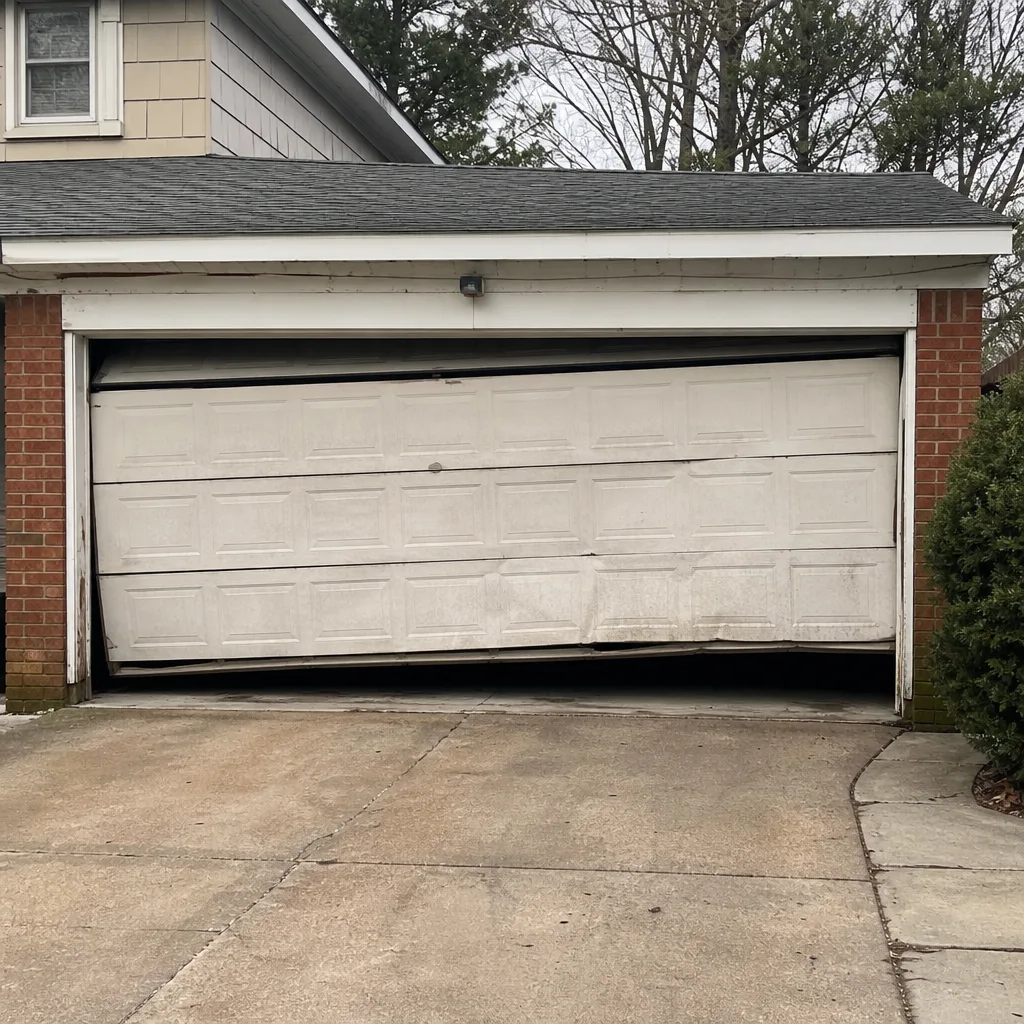 Before
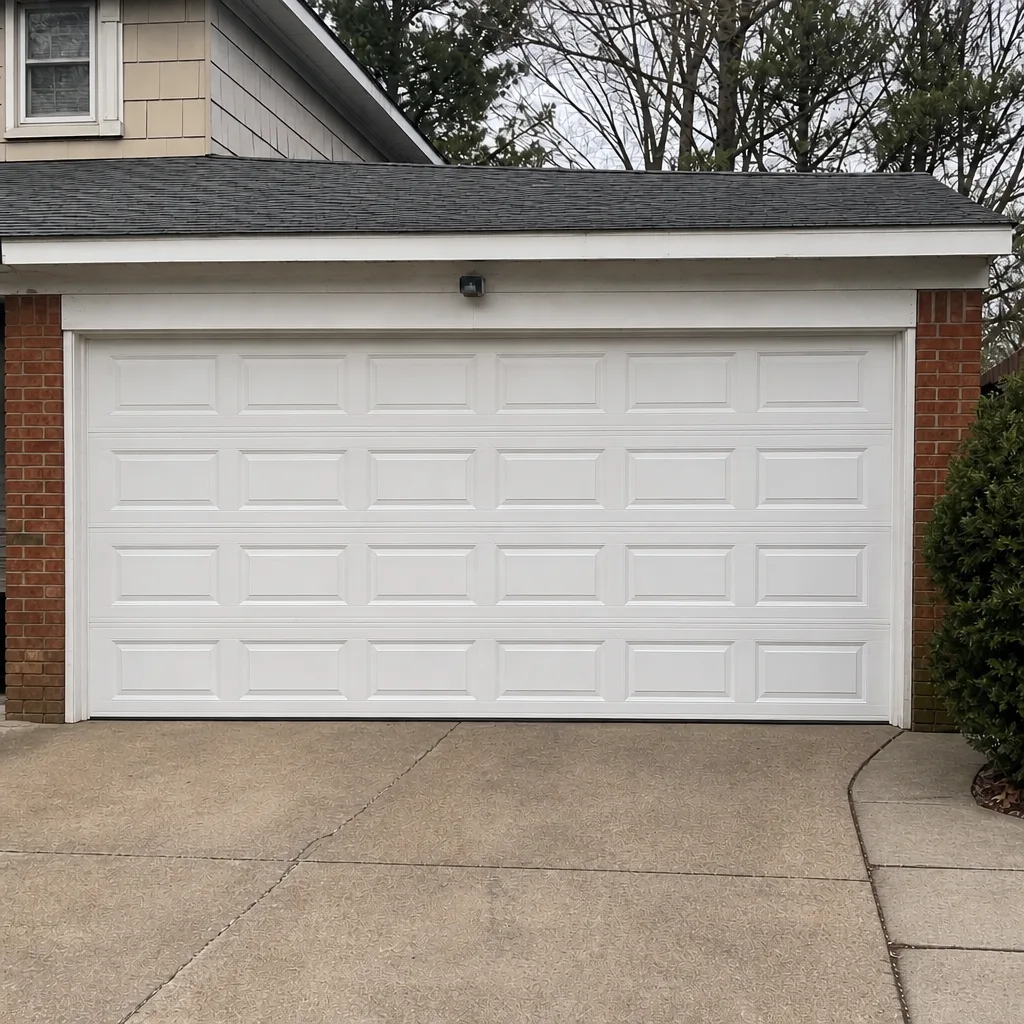 After
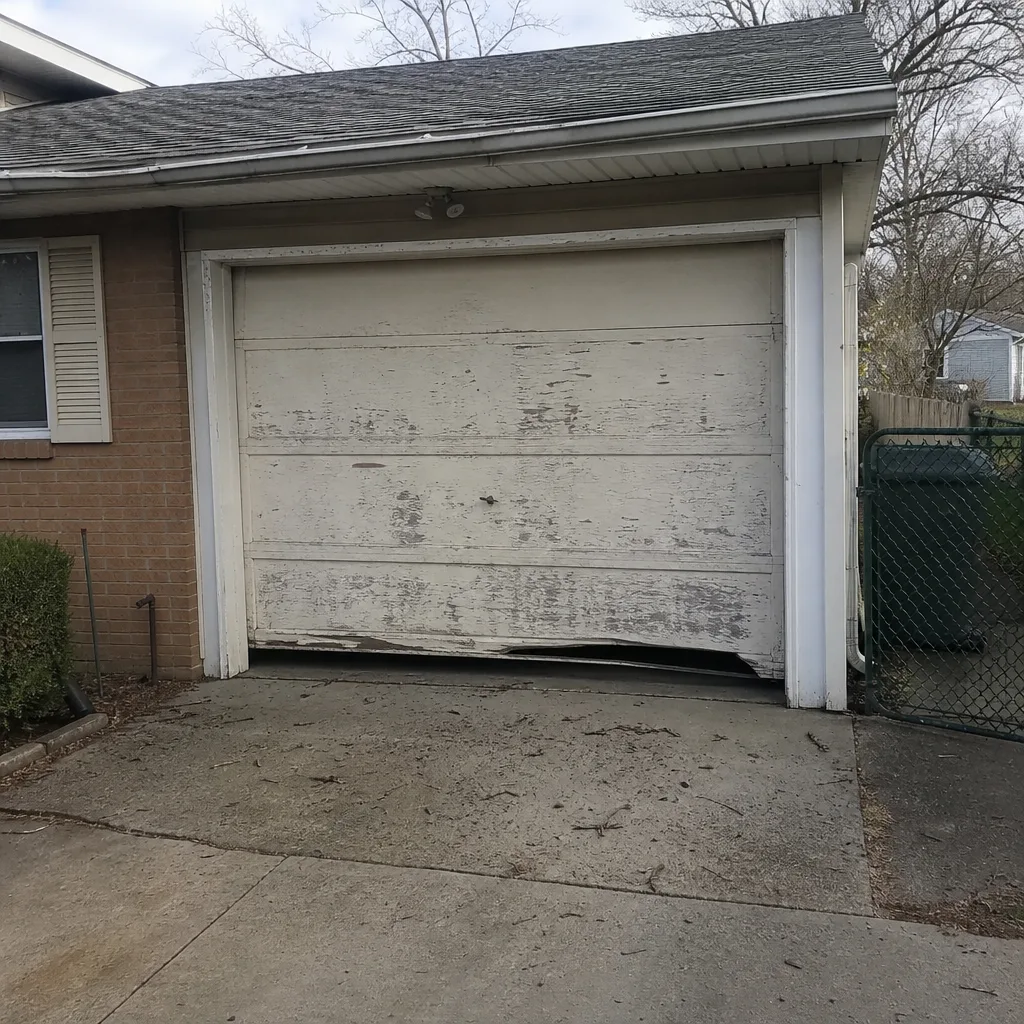 Before
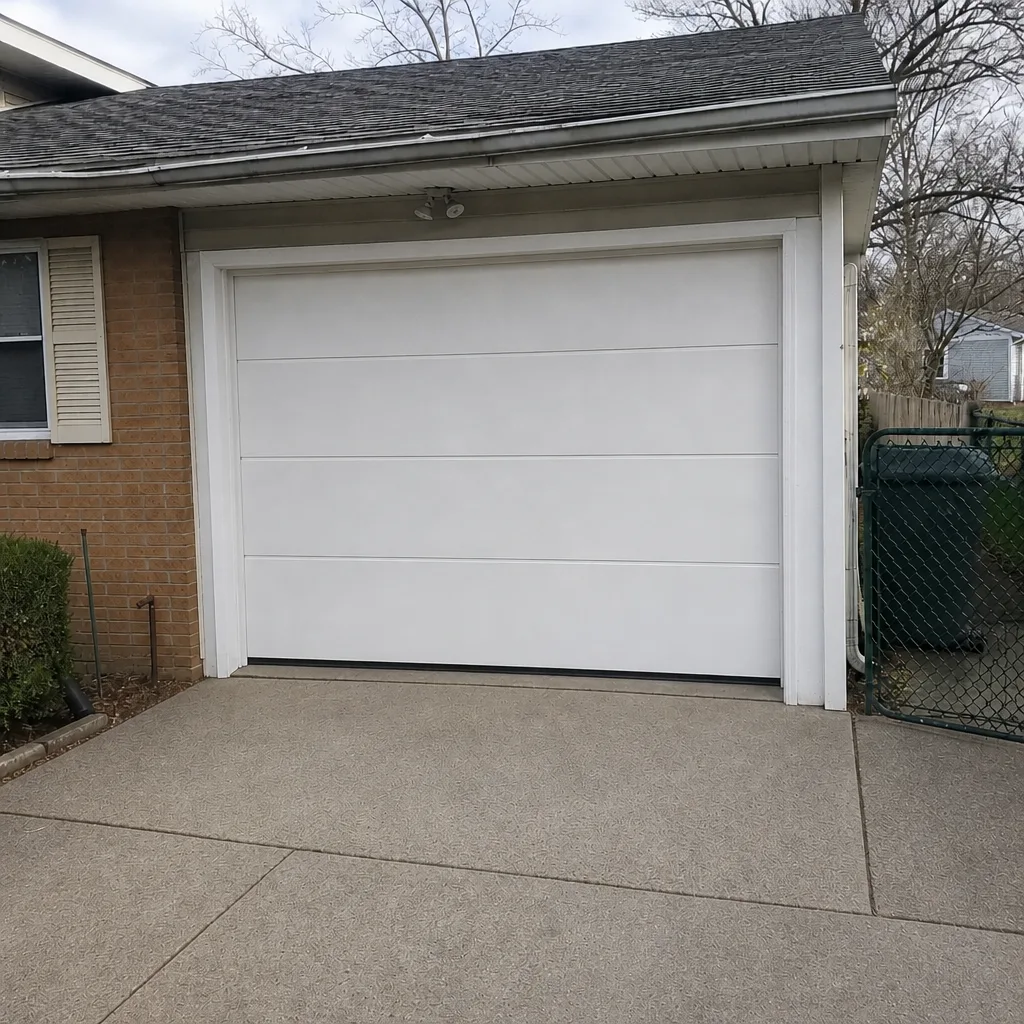 After
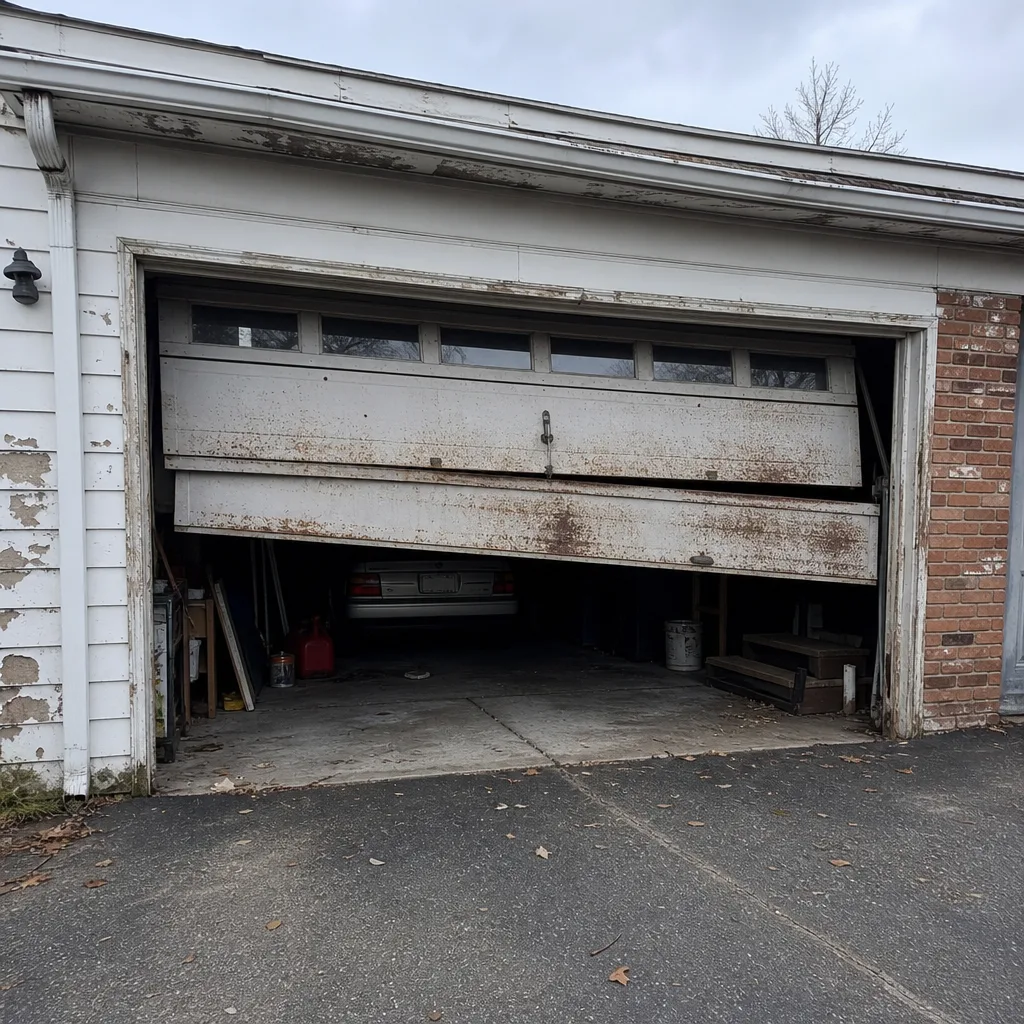 Before
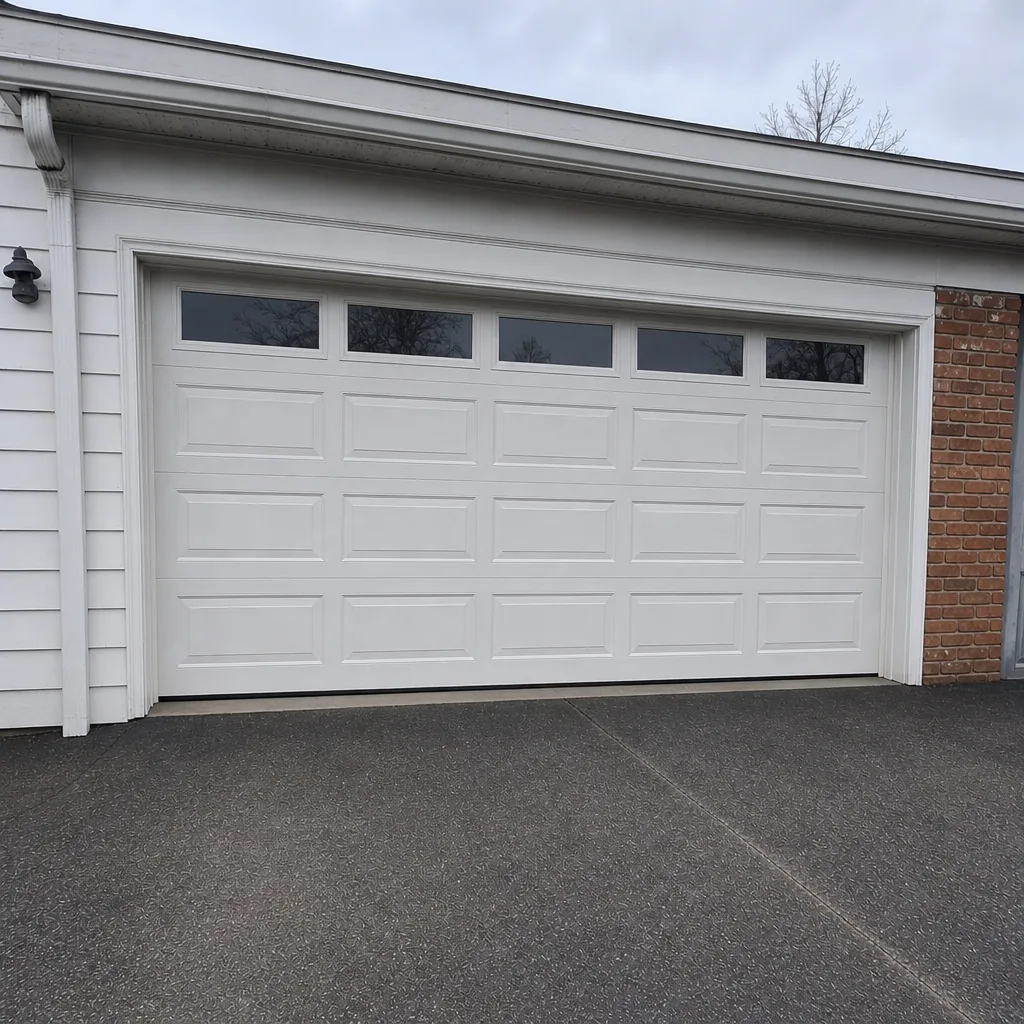 After