
Last updated November 22, 2026
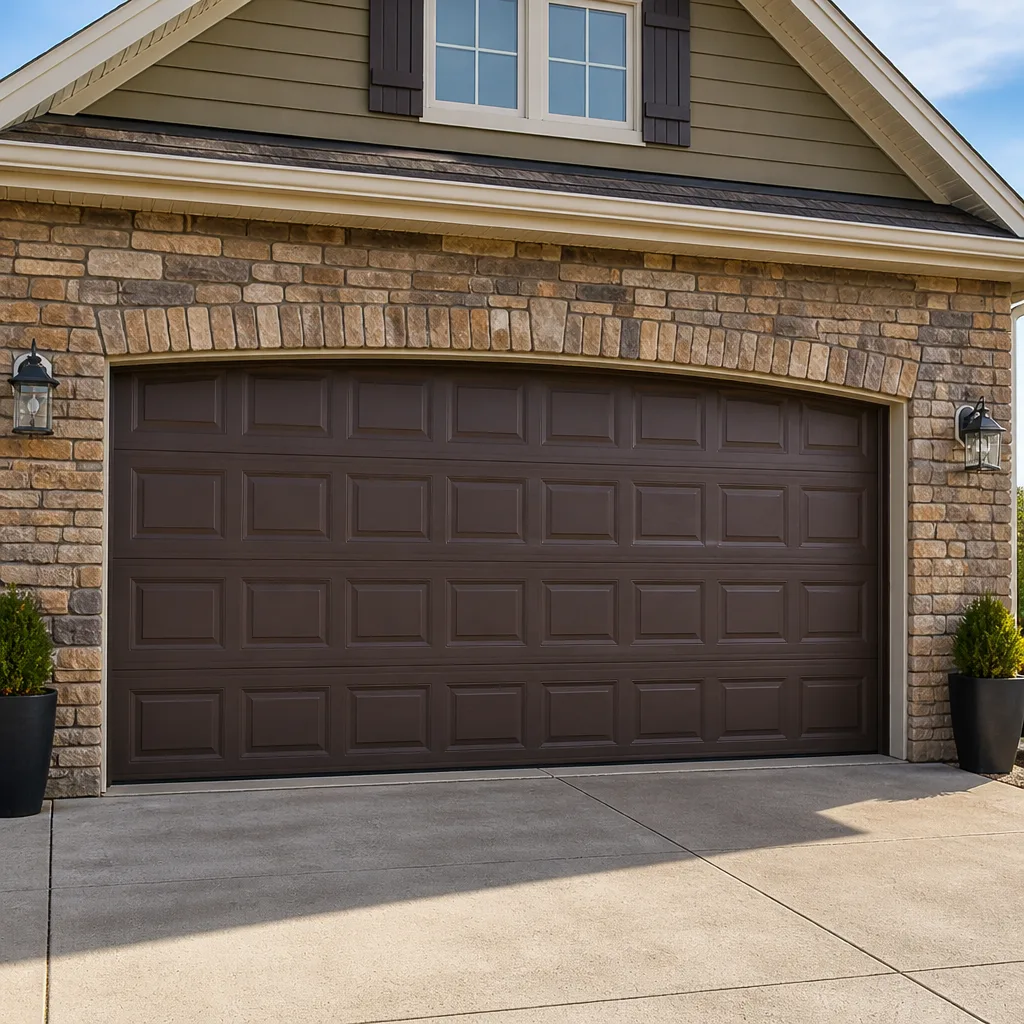 Raised-panel steel
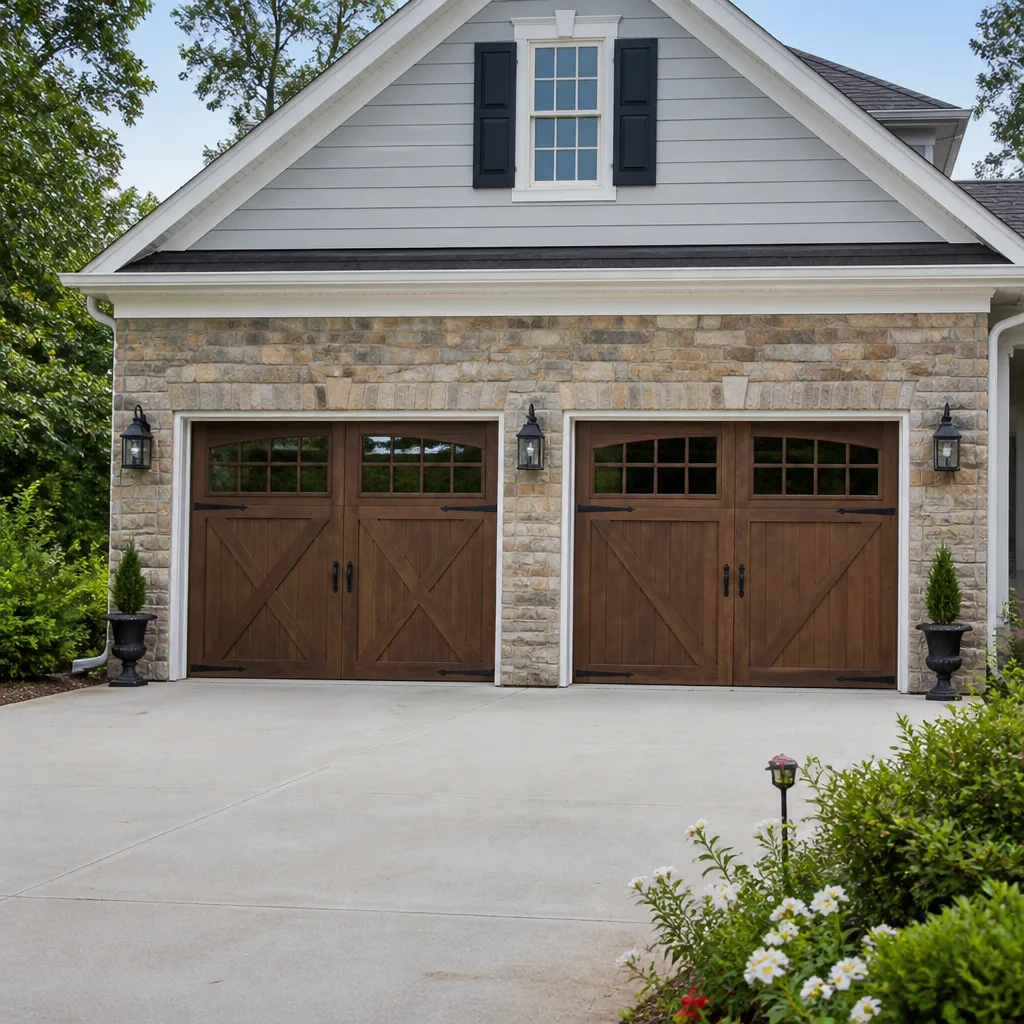 Carriage house
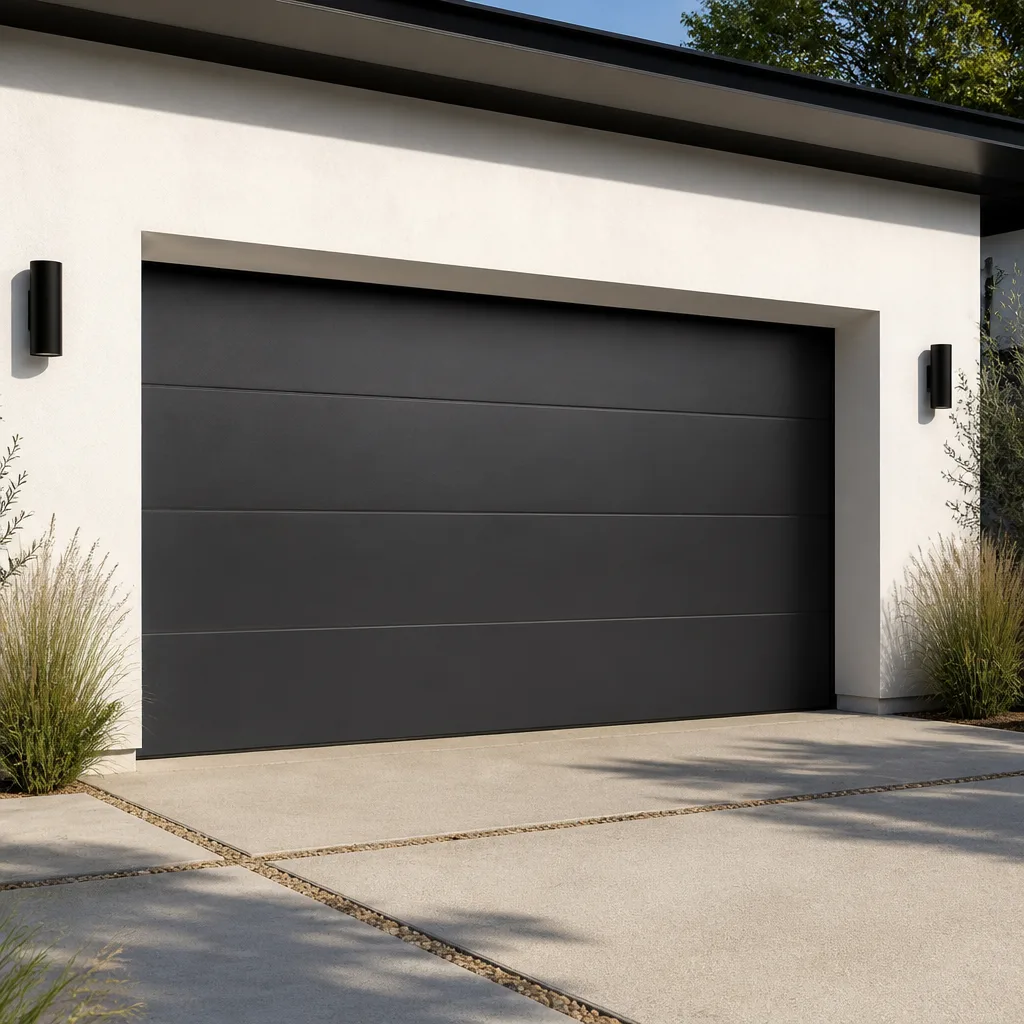 Modern flush
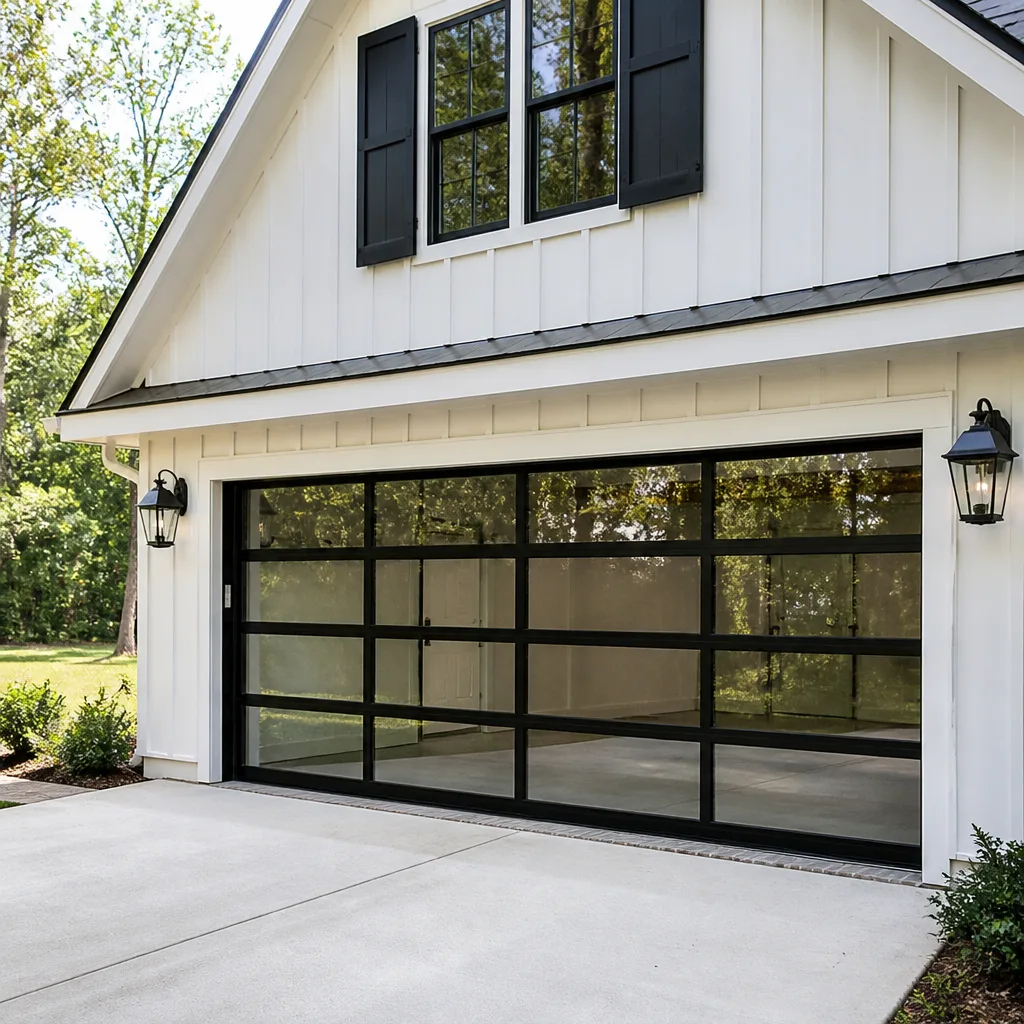 Full-view glass
 LiftMaster openers
 Chamberlain openers
Full 25-point door and opener safety check with every visit - springs, cables, rollers, tracks, and your LiftMaster or Chamberlain opener included
You get a price before we start. It does not change when the pro arrives.
Get your free estimateGarage Door Permits, Codes & Inspections in Edison, NJ: What You Need to Know
Swapping a dented panel on your existing door doesn’t require a permit in Edison. Replacing the whole door, changing how it mounts, or touching the structural opening usually does. That gap between a cosmetic swap and a structural change is where the confusion lives, and it’s the reason some garage door projects sail through inspection while others surface as a problem years later, often at the worst possible moment: a home sale, a refinance, or a township inspection triggered by a neighbor’s complaint. What follows is a plain-language guide to how permits and inspections actually work for garage doors in Edison, NJ. We’ll walk through the New Jersey code that governs the work, what an inspector really checks, how homeowner association rules layer on top, and what to do if you inherit unpermitted work from a previous owner. Read it before you sign a contract, not after.
Quick Answer
A like-for-like garage door replacement in Edison, meaning a new door of the same size in the same structural opening with no framing changes, typically does not require a building permit. A replacement that alters the rough opening, changes the header or framing, or involves new electrical work for an opener generally does require a permit through Edison Township’s construction office, and the work is inspected under the New Jersey Uniform Construction Code. When in doubt, call the township building department and describe the job in plain terms. A quick conversation before the work starts saves a much harder one later.
Styles & brands we work with
- Raised-panel steel
- Carriage house
- Modern flush
- Full-view glass
- LiftMaster openers
- Chamberlain openers
Table of Contents
- Like-for-like replacement vs. structural alteration in Edison
- How the New Jersey Uniform Construction Code applies to garage doors
- What a garage door inspection actually checks
- HOA approval for exterior changes in Edison’s planned communities
- Why unpermitted work shows up at a home sale
- The retroactive permit process if a previous owner skipped it
- Do openers and electrical work need their own permit?
- When to bring in a professional instead of filing it yourself
Like-for-like replacement vs. structural alteration in Edison
The first question any Edison homeowner should answer before buying a new garage door is whether the job changes the structure of the opening or just the door hanging in it. Those are two very different categories under the township’s permitting rules, and the difference determines whether you’ll need an inspection on the back end.
A like-for-like replacement means the new door matches the old one in width, height, and mounting configuration. The tracks stay where they are. The header above the opening isn’t touched. If the door is a single-car sectional and the new one is a single-car sectional of the same dimensions, that’s like-for-like. In most cases, this doesn’t trigger a building permit through Edison Township because you’re not altering the structure.
A structural alteration is a different animal. It includes:
- Widening or heightening the opening to fit a larger door, which means cutting into the header or framing and adding structural support.
- Converting a single-car opening into a double-car opening, or the reverse, which is a framing change with real load-bearing implications.
- Replacing the header beam or modifying the rough opening to accommodate a different door style, such as moving from a tilt-up door to a sectional.
- Changing the mounting surface for the torsion or extension spring system in a way that requires new anchor points in the framing.
- Removing a load-bearing wall or beam adjacent to the garage opening.
Each of those jobs changes the structure of your home. That’s what inspectors care about. A garage door is a heavy moving object attached to a building, and if the framing holding it up was modified, someone needs to confirm the modification was done correctly. That’s the whole point of the permit.
One more layer many Edison homeowners don’t think about until it’s too late: the rough opening itself ages with the house. Older garages in Edison’s established neighborhoods sometimes have headers that have sagged or framing that has shifted slightly, and a new door of “the same size” may not fit as cleanly as the old one did. If the contractor has to shim, reframe, or sister a board to make the new door hang properly, that work edges toward a structural alteration. Worth asking about up front, because a surprise there can push a no-permit job into permit territory mid-project.
The takeaway is this: the door itself rarely determines whether you need a permit. The opening around it does. If you’re not sure whether your project touches the opening, describe the job to the township before you sign a contract with an installer. It’s a five-minute phone call that can save you a weekend of paperwork or worse.
How the New Jersey Uniform Construction Code applies to garage doors
Permits in Edison are governed by the New Jersey Uniform Construction Code, commonly called the UCC. The UCC is the statewide code that sets the baseline for construction, electrical, plumbing, and fire work across every municipality in New Jersey. Edison’s construction office enforces it locally.
For garage doors, the UCC operates at three levels:
- Structural (building subcode). Applies when the door opening, header, framing, or any load-bearing element is modified. This is the subcode that triggers the permit discussion most homeowners have. If the structural work changes the opening, a building permit is filed and the work is inspected.
- Electrical subcode. Applies when a new opener is installed with new wiring, when a circuit is added or relocated, or when a new outlet is installed to feed an opener that didn’t have power before. Replacing an opener on existing wiring usually doesn’t trigger a permit, but adding a circuit does.
- Fire and life safety. Applies mostly to attached garages, where the door separation and any wall or ceiling separation between garage and living space are part of the code. If the door replacement changes the fire-rated assembly in any way, that enters the picture.
In practice, most Edison garage door projects fall into one of three buckets: no permit required (like-for-like door replacement with no electrical changes), building permit required (structural work), or both building and electrical permits required (structural work plus new opener wiring).
Three things to know about how the UCC plays out here:
- The UCC is not negotiable by an installer. If the township says a permit is required, the permit is required, regardless of what your contractor prefers. A contractor who suggests skipping the permit on a structural job is telling you something important about how they work.
- Homeowners can generally pull permits for work on their own home under the UCC, but structural work is a different type of filing. The DIY-permit path exists, but it’s not the path most homeowners take for garage door projects because the work itself isn’t a homeowner job (more on that below).
- Edison’s construction office has its own filing procedures, form requirements, and inspection scheduling on top of the UCC baseline. The UCC sets the bar for what’s legal; Edison sets how you file. Call the township for the current forms and timelines before the work starts.
The UCC doesn’t require a permit for every garage door job. It requires one when the work touches the building’s structure or its electrical system in a meaningful way. Simple door swaps with no structural or electrical change usually don’t. That’s the framework.
What a garage door inspection actually checks
If your Edison garage door project triggers a permit, a township inspector will come out when the work is done to confirm the job matches the permit. Here’s what that inspection typically looks like, in the order it usually runs.
- Permit and scope match. The inspector confirms the work described on the permit is what was actually done. If the permit says “replace one single-car door, like-for-like” and the crew widened the opening, that’s a problem. The inspection is about matching the work to the filing.
- Structural integrity of the opening. If the header, framing, or rough opening was modified, the inspector checks that the new structure is sound. That includes verifying the framing was done to plan, that fasteners and hardware meet the requirements of the approved drawings, and that the load path is intact.
- Door attachment and hardware. The inspector looks at whether the door and track system are securely attached to the framing, whether the torsion or extension spring system is mounted to structure rather than drywall, and whether the door operates without binding or interference.
- Balance and travel. The door should run smoothly through its full opening and closing travel without catching, binding, or slamming. An inspector will manually cycle the door to confirm.
- Safety features. For doors with openers, the inspector confirms the safety reversing system is functioning. That includes the photo-eye sensors near the floor and the auto-reverse function if the door meets an obstruction.
- Electrical work. If the project included new opener wiring or a new circuit, the electrical inspection is separate and usually filed under the electrical subcode. It covers the wiring method, the disconnect, and the outlet feeding the opener.
- Fire separation (where applicable). For attached garages, the inspector confirms any fire-rated separation between garage and living space still meets code after the work.
What an inspector does not do at a garage door final inspection: they don’t grade the quality of the door you picked, they don’t confirm the finish matches your house, and they don’t check the brand. The inspection is about safety and code compliance, not aesthetics. A Craftsman door and a Wayne Dalton door get the same treatment from the township. That’s a useful thing to understand because it changes how you think about the permit process: it’s not a hurdle in your way, it’s a confirmation that the work you paid for is safe to live with.
HOA approval for exterior changes in Edison’s planned communities
Edison has a mix of housing stock, and parts of the township are organized into planned communities with active homeowner associations. If your home is in one, the HOA is a separate layer of approval on top of anything the township requires, and the two processes don’t talk to each other. An HOA approval is not a building permit, and a building permit is not an HOA approval. You may need both.
What HOAs typically review depends on the association, but for garage doors the usual items are:
- Door style and panel configuration. Many associations require doors to match the community’s original or approved style. Switching from a raised-panel to a carriage-house style often needs approval.
- Color. Exterior colors are frequently restricted to a palette. A black door in a neighborhood of white and tan doors usually requires written approval before installation.
- Window and glazing options. Associations with a consistent look sometimes restrict whether doors can have windows at all.
- Visible hardware. Hinges, handles, and decorative straps that weren’t part of the original door sometimes need approval.
- Setbacks and visibility. Rules vary, but some associations restrict changes to doors facing the street more heavily than doors facing an alley or side yard.
Turnaround timelines vary by association and by how often the architectural review committee meets. The two variables that matter most are the submission requirements (some want manufacturer spec sheets and color samples, some want just a photo of the proposed door) and the meeting schedule. A committee that meets monthly with a submission deadline two weeks out can mean six weeks from application to approval. A committee that reviews applications as they come in can be much faster. Edison Garage Door Repair Co and the installers we connect homeowners with can usually provide the manufacturer documentation you’ll need to submit, which shortens the process considerably.
The mistake we see most often is ordering a door before the HOA has signed off. Doors aren’t returnable once they’ve been cut or installed, and a rejected door is an expensive reorder. Get written approval first, then order.
Why unpermitted work shows up at a home sale
Homeowners in Edison discover garage door permit problems most often during a real estate transaction. That’s because a title search and a municipal records check are standard parts of preparing a home for sale, and unpermitted work on a garage door shows up in two ways.
The first is the most common: a municipal open-permit or expired-permit search. When the buyer’s attorney or the title company pulls the township’s records for your property, they can see permits that were filed and never closed, permits that were never filed for work that appears in the property’s description, or discrepancies between what’s on record and what a visual inspection shows. In Edison, a garage door replacement that involved structural work but no permit is likely to surface at this stage.
The second is a physical inspection. A home inspector who sees a garage door opening that’s been widened, a header that’s been reframed, or a door that clearly doesn’t match the original proportions may flag it and recommend that the buyer confirm the work was permitted. That flag goes on the inspection report, and it becomes a negotiation point.
What happens next depends on where the transaction is in its timeline. If the sale is early enough, the seller can file for a retroactive permit, have the work inspected, and close the record before the closing. If the discovery is late, the buyer and seller often negotiate a credit or escrow to cover the cost of pulling the retroactive permit after closing. Either way, the work gets done eventually, and the party who ends up paying is the one who’s least able to walk away from the deal.
The cleanest version of this story, and the one we prefer to help write, is a seller who never has that problem because the original work was filed and closed correctly. It’s also why we always ask Edison homeowners whether they have documentation for the door that’s already in their garage. Receipts, permits, and inspection sign-offs are worth keeping.
The retroactive permit process if a previous owner skipped it
If you’ve bought an Edison home and discovered that the last owner replaced the garage door without a permit, you have options. The process for legitimizing already-completed work is called a retroactive permit, and it’s more common than you might think.
Here’s the general sequence:
- Call Edison Township’s construction office. Explain what you found and that you want to file a retroactive permit for a garage door project that was completed without one. They’ll tell you what documentation they require and which subcode applies.
- Gather what you have. Any receipts, contractor invoices, or documentation from the previous owner is useful. If none exists, you’ll bring what the township asks for.
- File the permit application. The township may require a walkthrough or an inspection to confirm the work is safe before they’ll process the retroactive permit. Expect the process to involve more documentation than a normal permit because you’re asking the township to accept work they never saw during construction.
- Correct anything that fails inspection. If the inspector finds an issue, you’ll need to fix it before the permit can close. This is the part that can get expensive on a garage door because the door and hardware are already installed.
- Close the permit and keep the sign-off. Once the final inspection passes, the permit closes and the township’s records are updated. Keep the sign-off with your home’s important documents, because that’s the piece that resolves the title question next time you sell.
Two things are worth knowing about the retroactive process in Edison. First, it’s not a loophole and it’s not a shortcut; it’s the sanctioned way to fix a records problem, and the township is usually reasonable about it when the homeowner is coming forward in good faith. Second, and less comfortable: if the original work was done poorly, the retroactive permit is when you find out. A door with a header that was never properly sized, or a spring system mounted to drywall instead of structure, will fail a retroactive inspection. Better to know now than to hand a buyer a problem.
The good news is that the discovery usually happens because you’re being diligent, not because something is about to fall down. A garage door that’s been opening and closing reliably for years is probably not a death trap. It’s just an undocumented one. Documentation can be fixed.
Do openers and electrical work need their own permit?
Opener installations are where a lot of Edison homeowners get tripped up, because the rules depend on the distinction between replacing a unit and adding new electrical scope.
A straight replacement, where you’re swapping an old opener for a new one on the same wiring and the same circuit, usually does not require a permit. The wiring already exists. The circuit hasn’t changed. The install is a mechanical swap.
Adding an opener where none existed, or relocating one and requiring new wiring, changes that. Installing a new circuit, running wire to an outlet that didn’t previously have power, or moving an outlet to feed the opener is electrical work under the UCC and typically requires an electrical permit filed by a licensed electrician. We don’t do electrical work beyond what the opener requires; when the install involves new wiring, the licensed electrician files the permit and the electrical inspection follows.
There’s one more thing worth mentioning: the opener’s battery backup. New Jersey’s UCC has requirements around garage door openers that connect to battery backup for safety during power loss. Confirm the model you’re buying meets the current state requirement, and confirm the install follows the manufacturer’s instructions for the backup system. This is one of those details that’s easy to gloss over because the opener is usually working on the day of the install, but it matters if the power ever goes out.
We work on the brand already in your garage, from LiftMaster and Chamberlain to Genie and Craftsman, so we’ve seen how each manufacturer’s wiring and backup requirements differ. If you’re not sure whether your replacement falls into the “no permit” bucket or the “electrical permit” bucket, describe the current setup to the township. They can tell you in about two minutes.
For a deeper breakdown of what an opener repair or replacement involves, our guide to garage door opener repair covers the mechanical and electrical side of the job.
When to bring in a professional instead of filing it yourself
The permit process is one part of a garage door project. The other part is the actual work, and this is where we’re direct with Edison homeowners: a garage door is not a homeowner-level project, and the reasons go beyond permits.
A torsion spring under load is one of the most dangerous pieces of hardware in a home. When a torsion spring fails, it fails with force that can injure anyone directly in its path. A door that’s out of balance can come down hard and fast. A door that’s improperly attached to framing that wasn’t checked for structure can pull loose over time. These are not hypotheticals; they’re the reasons trained technicians approach every spring and door job with a level of care that a first-time install doesn’t get. Our technicians have up to 9 years of experience, and even they work spring jobs with the respect the hardware demands.
That’s why we tell homeowners to let the permit process decide the scope, not the other way around. If the job requires a structural permit, the structural work needs to be done correctly. If it doesn’t, great; you’ve saved some paperwork. Either way, the door itself gets installed by someone who does it every week, and the inspection at the end is a formality rather than a surprise.
If your garage door isn’t working right now, or you’re sorting out a project that’s been stalled by permit questions, we’re here. Call (855) 658-5248 for a free estimate. We answer 24/7. Fast dispatch from 7am to 7pm, Sunday through Friday. We can walk you through the process, tell you what the job realistically requires, and connect you with a vetted local professional who can file and perform the work correctly the first time.
Common Mistakes to Avoid
- Assuming a “same size” door means no permit. Size isn’t the only factor. If the installer has to reframe, shim, or sister a board to make the new door hang properly, the work may cross into structural territory. Ask the contractor what they expect to encounter during install, not just what they expect to sell you.
- Filing the permit without confirming the scope with the township. A permit application that describes the work incorrectly can lead to a failed inspection even if the work itself is fine. Describe the project in plain language to the construction office before you file, and match the permit to the actual scope.
- Ordering the door before the HOA has signed off. Doors are not returnable once they’re cut or installed. A rejected door is a full reorder on your dime. Get written HOA approval before you place the order, especially in Edison’s planned communities where the architectural review committee is active.
- Replacing an opener on new wiring without an electrical permit. Swapping a unit on existing wiring is usually fine. Adding a circuit, running new wire, or installing an outlet where none existed is electrical work and typically needs its own permit. Don’t assume your installer is handling this unless they’ve told you they are.
- Skipping the battery backup requirement on a new opener. New Jersey’s UCC has specific requirements around battery backup for garage door openers. Confirm the model you’re buying meets them and that the install follows the manufacturer’s instructions for the backup system.
- Not keeping the inspection sign-off. The paper trail is the whole point of filing the permit. Keep the sign-off, any inspection reports, and the contractor’s final invoice with your home’s closing documents. It’s the first thing a title company will look for when you sell.
- Ignoring a records problem because the door works. A garage door that’s been opening and closing fine for years can still be undocumented. During a sale, an unpermitted structural change becomes a negotiation point even if the work itself is fine. Addressing it proactively is much cheaper than addressing it under time pressure.
See the difference
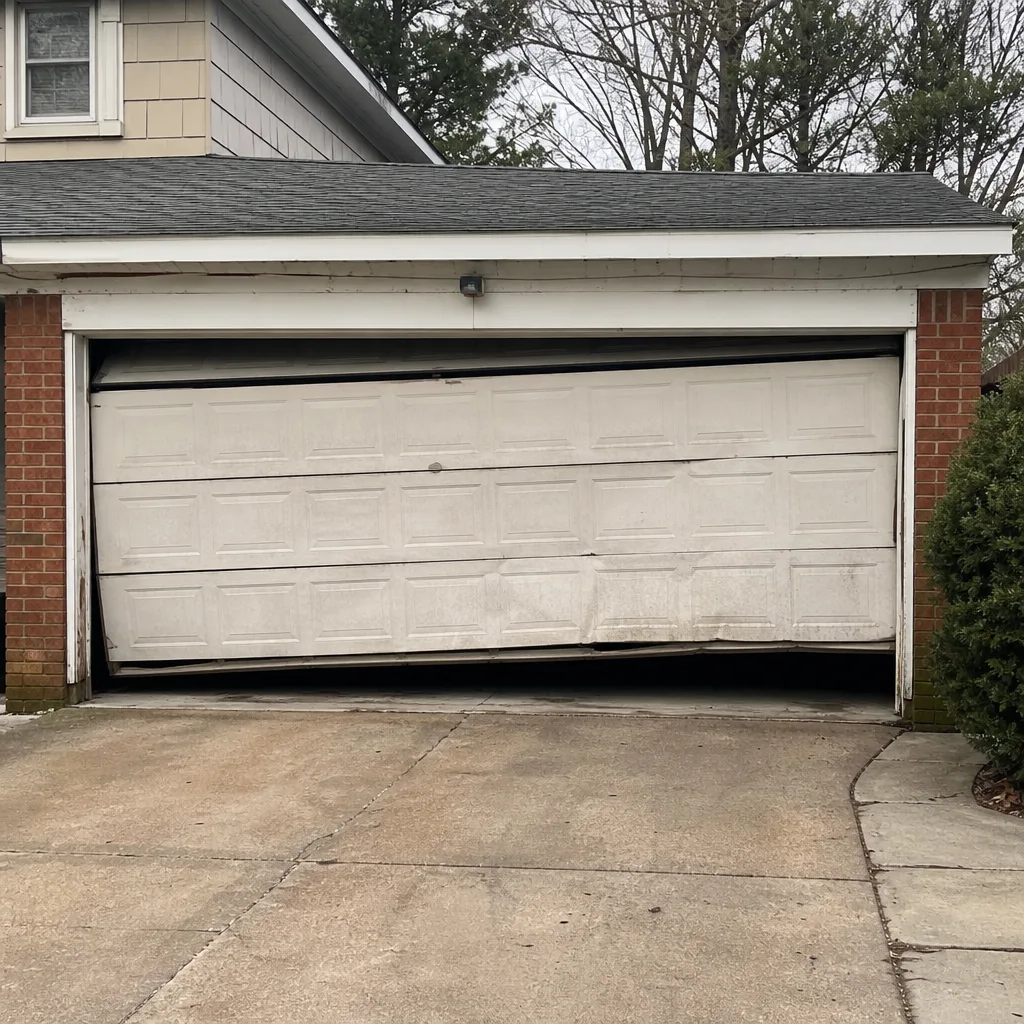 Before
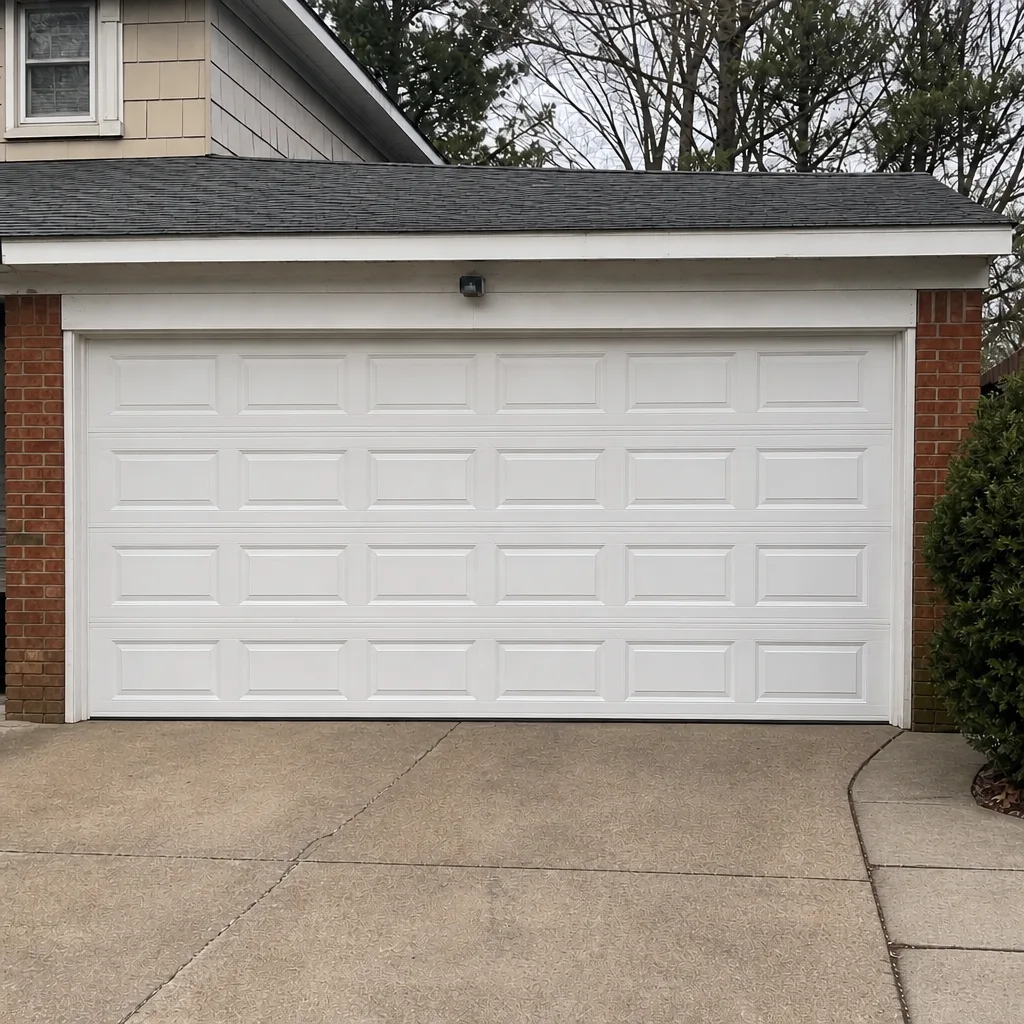 After
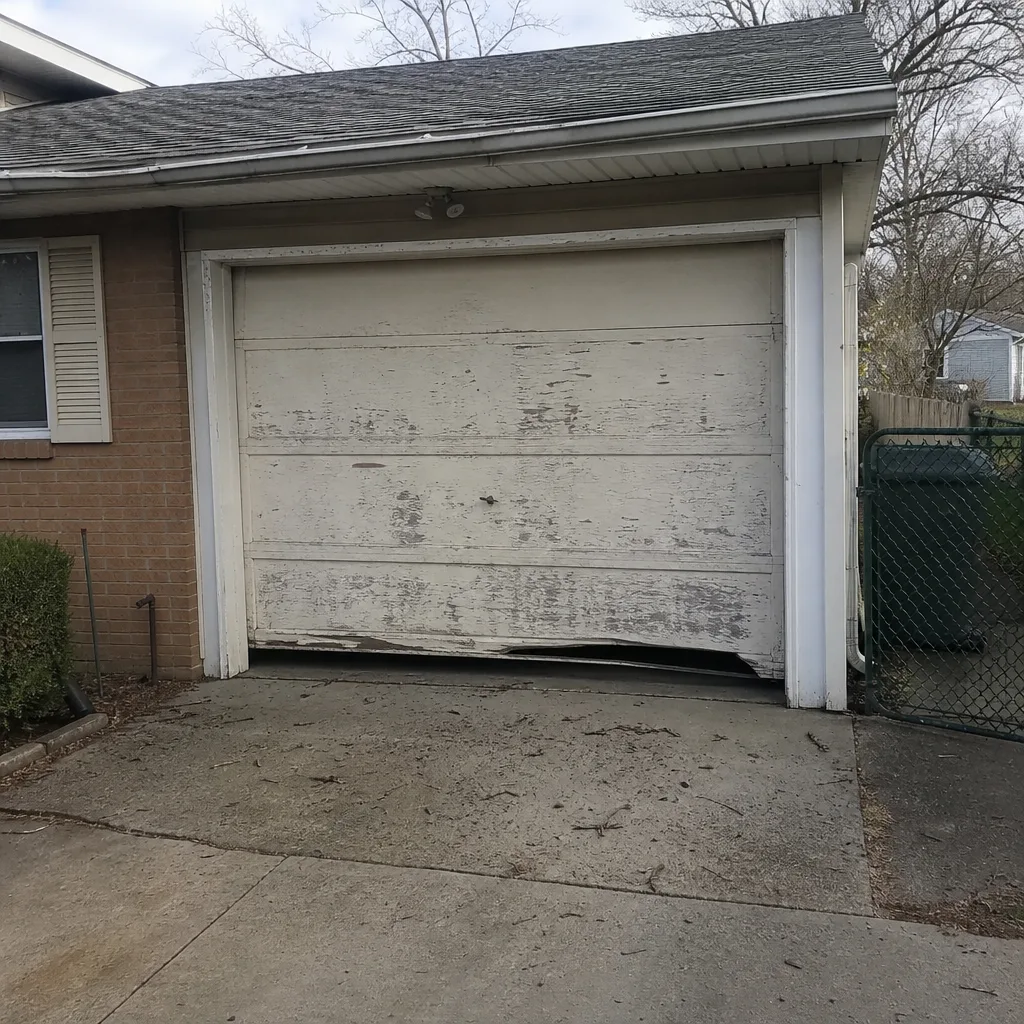 Before
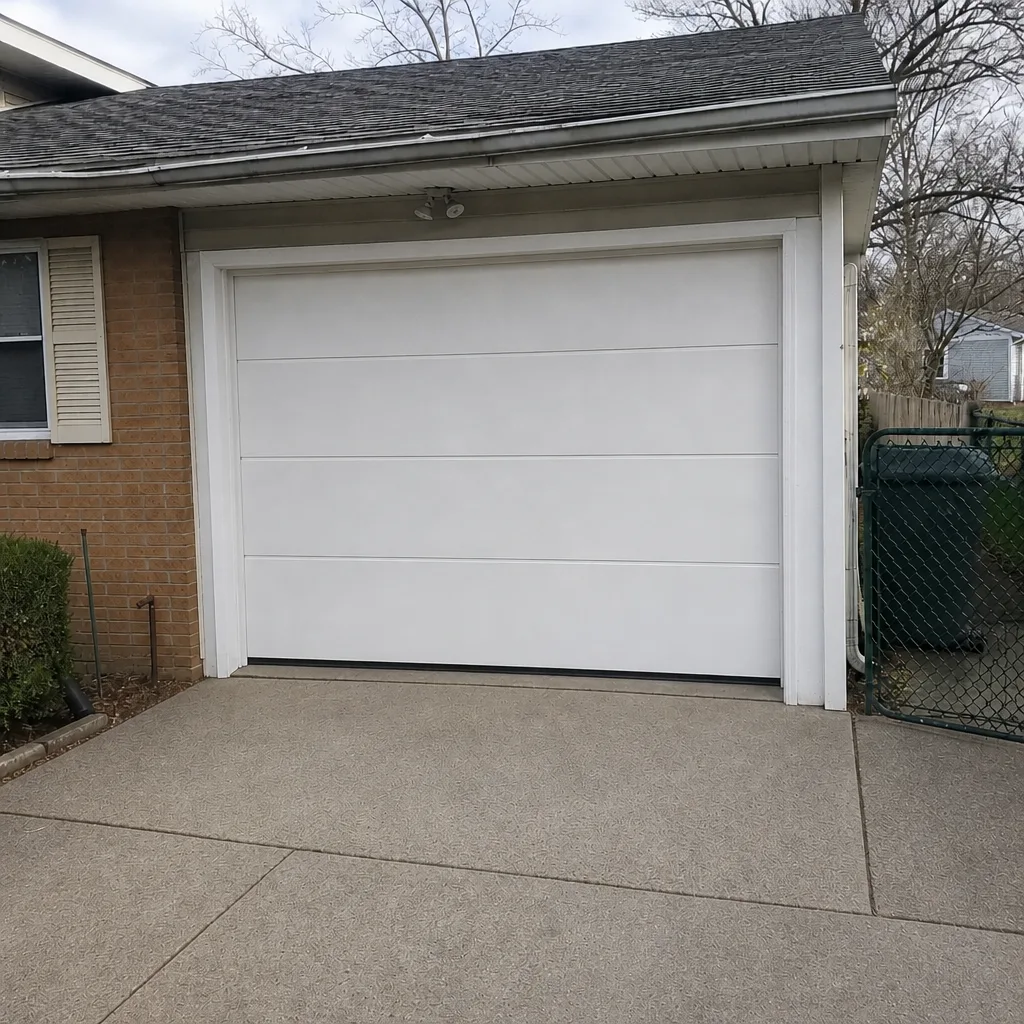 After
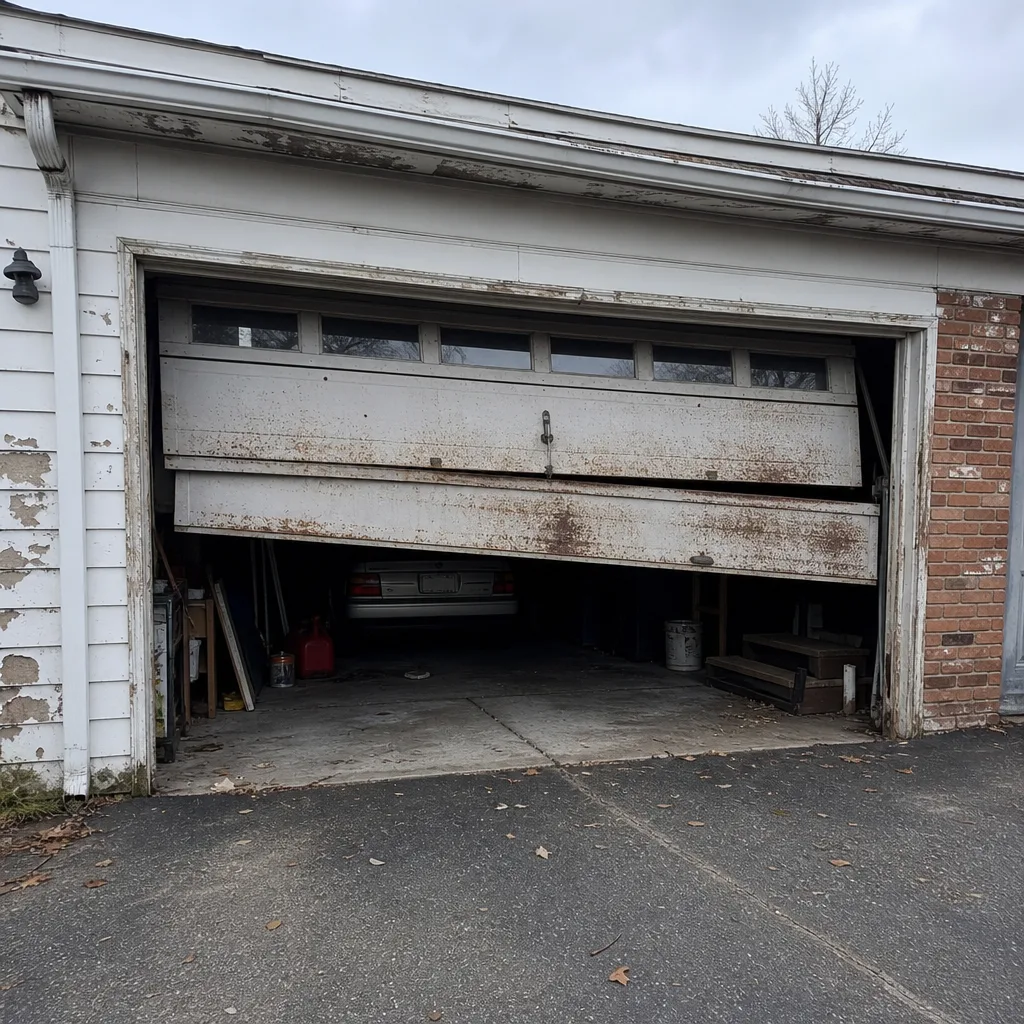 Before
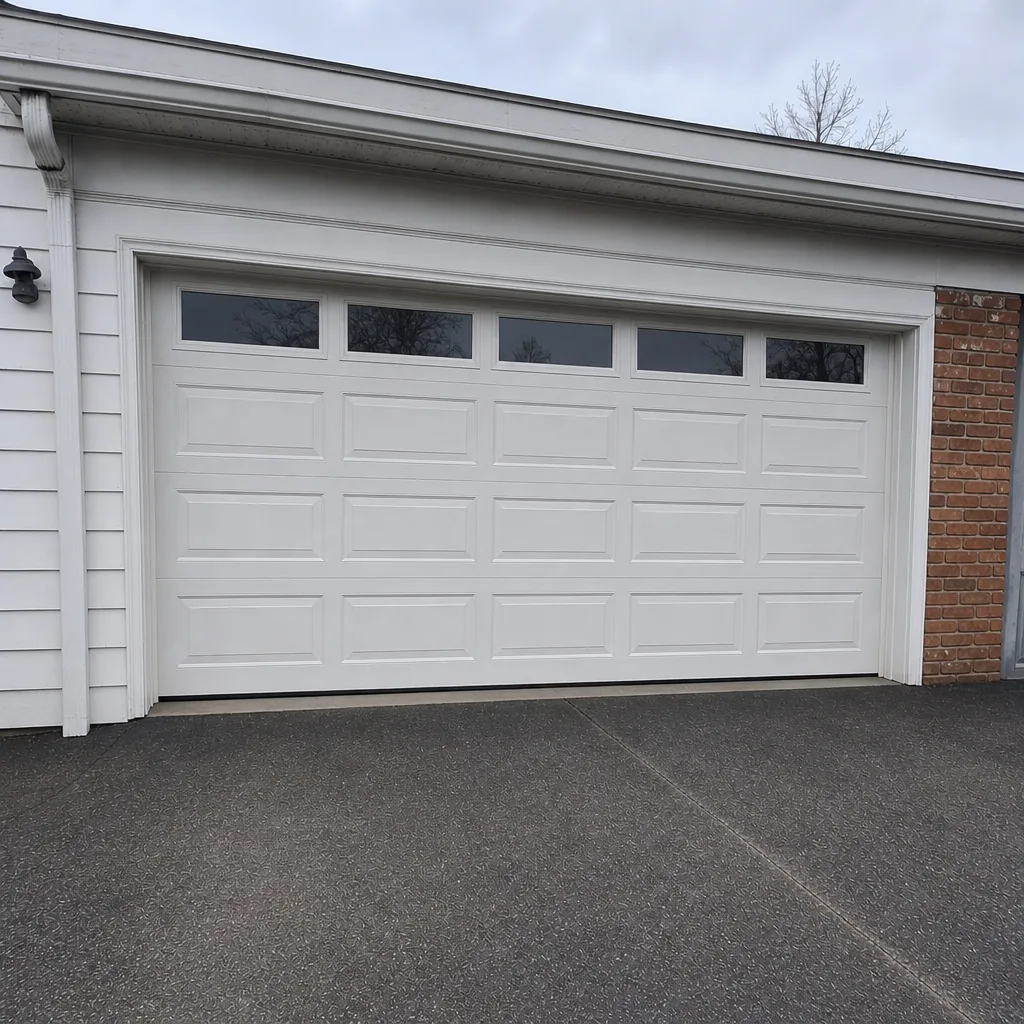 After
When to Call a Professional
Call us if any of the following applies. Your garage door has stopped working and you can’t safely open or close it. A spring has broken and the door is stuck in one position. An opener has died and is leaving a car trapped or the garage unsecured. You’re planning a garage door replacement and you’re not sure whether it’s a like-for-like swap or a structural project. Your HOA has requested documentation you don’t have. Or you’ve inherited a garage door situation with no paper trail and you want to sort out the permit question before it becomes a problem at a home sale.
Edison Garage Door Repair Co offers free estimates in Edison. We work on the brands already in your garage, from LiftMaster and Chamberlain to Wayne Dalton and Raynor, and we can tell you honestly whether your project is a no-permit swap or a structural job that needs a filing. Precision over patchwork, from the first estimate to the final inspection. Call (855) 658-5248.
Frequently Asked Questions
It depends on what the job actually involves. A like-for-like replacement of the same size in the same rough opening with no framing change typically does not require a permit in Edison. A replacement that alters the rough opening, changes the header or framing, or involves new electrical work for an opener usually does. Call Edison Township’s construction office and describe the job in plain terms; they’ll tell you whether a permit is required. If you want a second opinion on the scope before you file, call (855) 658-5248. Estimates are free.
A like-for-like replacement swaps the door without touching the opening’s structure. A structural alteration changes the opening itself: widening or heightening the rough opening, reframing the header, converting a single-car opening to a double, or modifying how the door and springs attach to the framing. The door size alone doesn’t determine the category. What happens to the framing behind the door does. When the scope is unclear, ask the township before the work starts.
An inspection confirms the completed work matches the permitted scope and is safe to live with. The inspector verifies the door and hardware are securely attached to structure, the door opens and closes through its full travel without binding, safety sensors and auto-reverse function on the opener are working, and any structural modifications match the approved drawings. If electrical work was filed under a separate permit, that’s a separate inspection. The inspection is about compliance and safety, not aesthetics.
In many cases, homeowners can file permits for work on their own primary residence under New Jersey’s UCC, but structural work is a different type of filing and the process is more involved than a simple door swap. In practice, most Edison homeowners have the contractor file the permit because the contractor is the one who’ll be present for the inspection. If you’re planning to file yourself, confirm the process with the township before you buy materials or schedule work.
You can file a retroactive permit through Edison Township’s construction office. The process involves describing the work, providing whatever documentation exists, and passing an inspection to confirm the work is safe. It’s commonly done and the township is generally reasonable about it when the homeowner comes forward in good faith. The step that matters most is closing the permit and keeping the sign-off with your home’s documentation, because that’s what resolves the records question next time you sell.
Possibly, depending on whether your home is in a planned community with an active homeowner association. HOAs often restrict door style, color, window options, and visible hardware. HOA approval is a separate process from the building permit; you may need both. Turnaround time depends on the association’s review committee, sometimes weeks if the committee meets on a fixed schedule. Get written approval before you order the door, and ask us for manufacturer documentation if the association needs it to review. Call (855) 658-5248 for the paperwork you’ll need.
The Bottom Line
The permit question for a garage door in Edison comes down to one distinction: does the work touch the structure of the opening, or just the door hanging in it? A like-for-like swap typically doesn’t require a permit. A structural alteration usually does, and the inspection at the end is a formality when the job is filed and performed correctly. HOA approval is a separate layer that some Edison neighborhoods add on top. Unpermitted work surfaces most often at a home sale, and the retroactive process exists to fix it, but fixing it proactively is far easier than fixing it under a closing deadline. If you’re planning a project, call the township with your scope, or call us for a free estimate and we’ll help you sort out which bucket your job falls into.
For more on the repair and replacement work itself, start with Edison Garage Door Repair Co or read our guide to garage door repair and our breakdown of garage door spring repair for the safety-critical side of the job. Call (855) 658-5248 for a free estimate. We answer 24/7. Fast dispatch from 7am to 7pm, Sunday through Friday. Same-day service is often available for urgent repair calls. The written estimate sets the final price, and it’s agreed before any work starts.
Written by the team at Edison Garage Door Repair Co.