
Last updated November 22, 2026
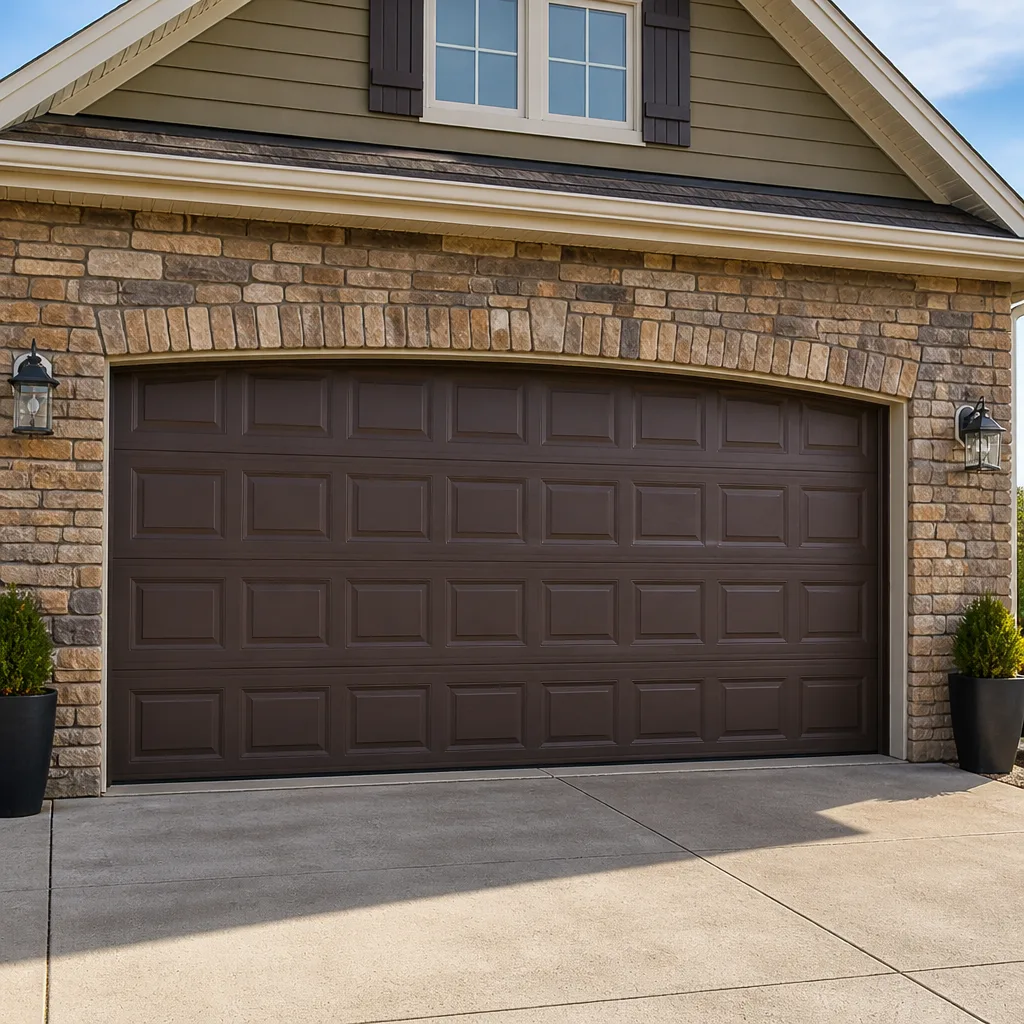 Raised-panel steel
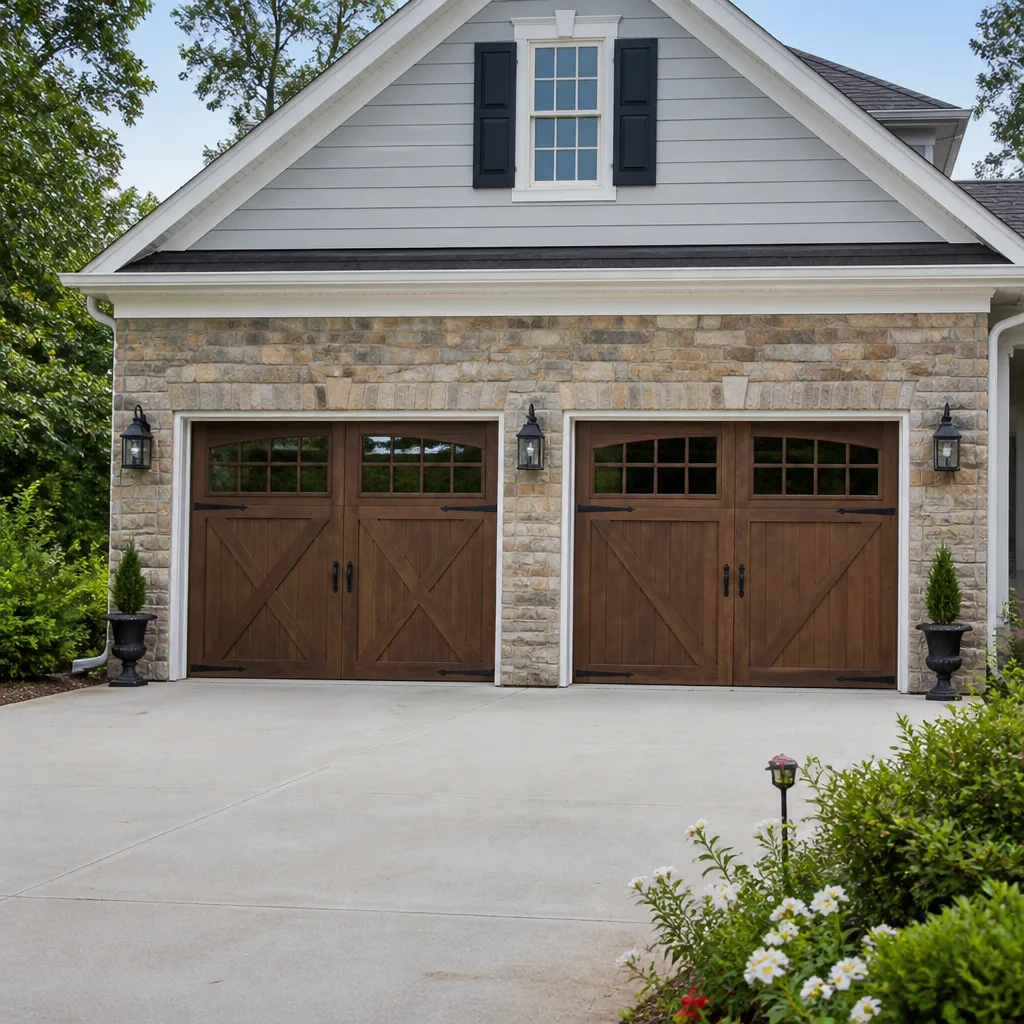 Carriage house
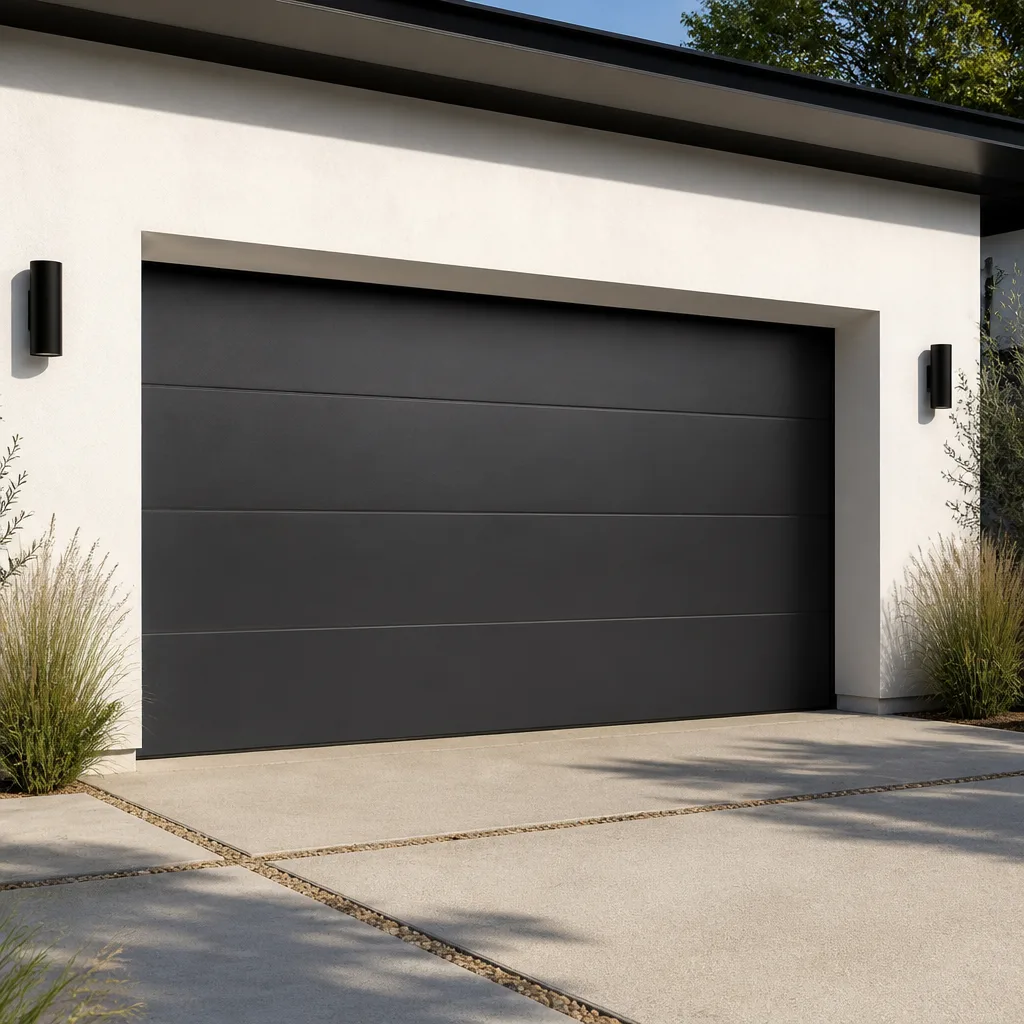 Modern flush
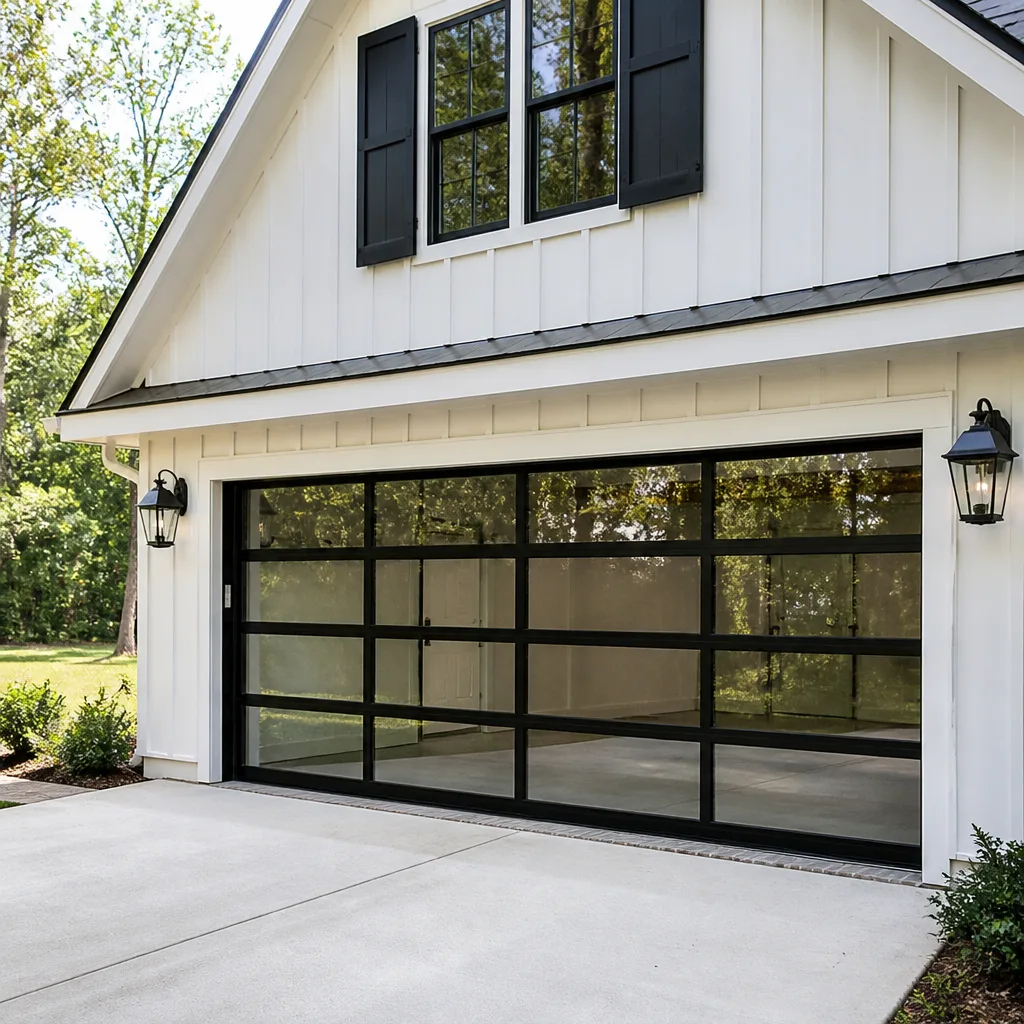 Full-view glass
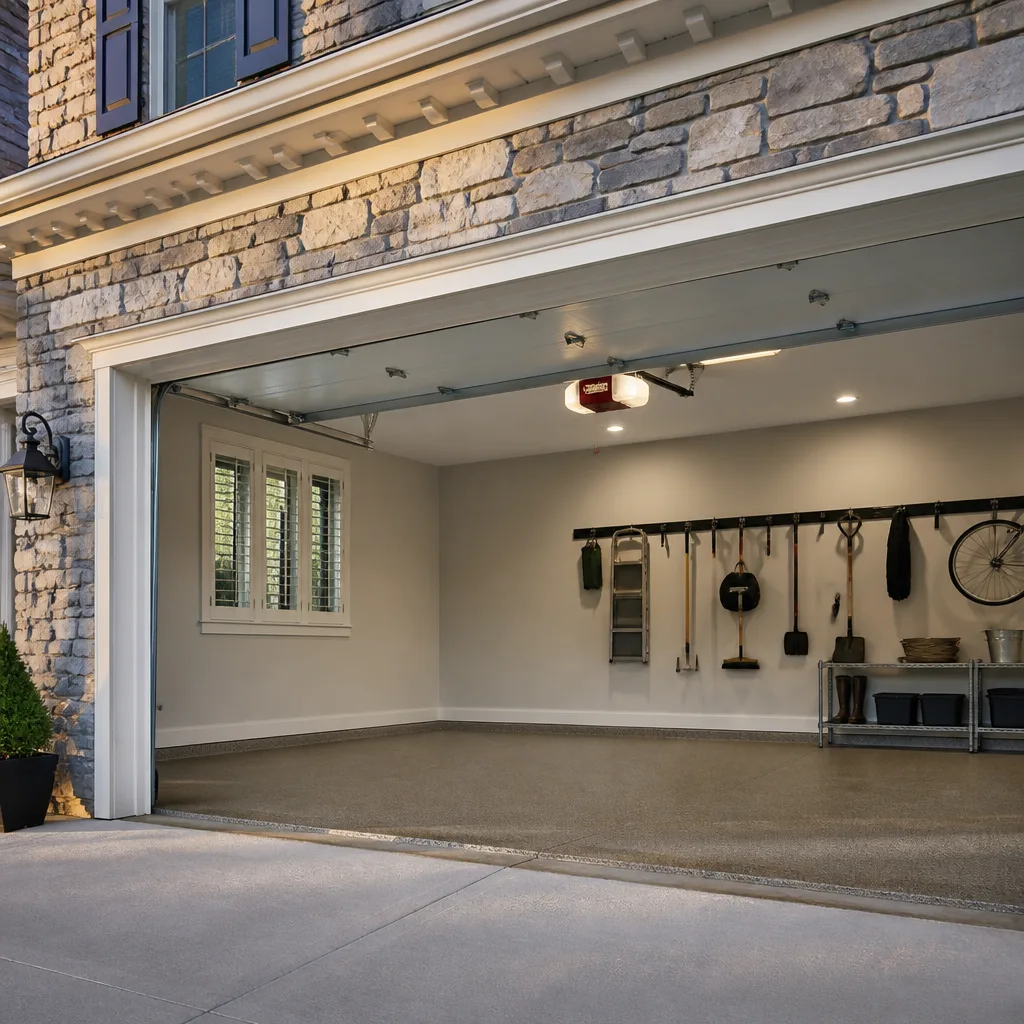 LiftMaster openers
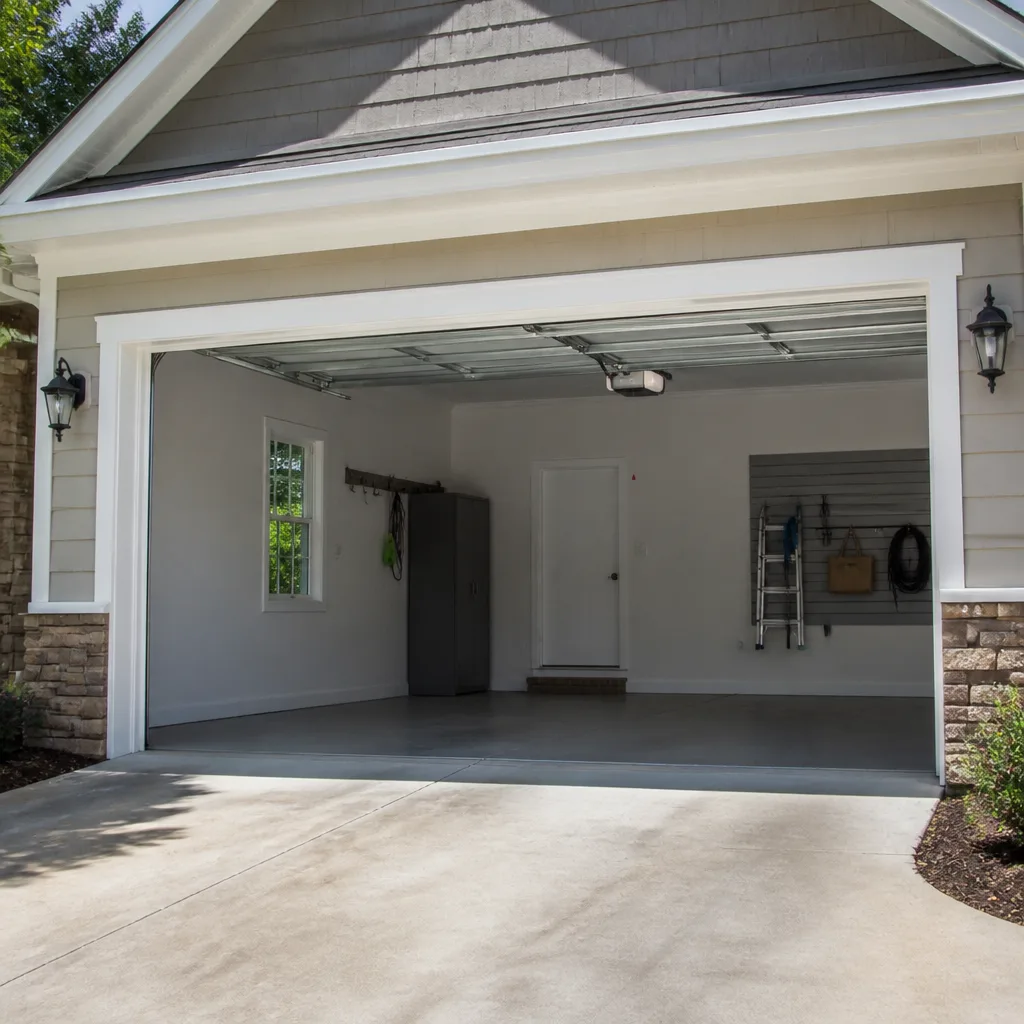 Chamberlain openers
Full 25-point door and opener safety check with every visit - springs, cables, rollers, tracks, and your LiftMaster or Chamberlain opener included
You get a price before we start. It does not change when the pro arrives.
Get your free estimateThe Complete Guide to Garage Doors in Edison
Most “complete” garage door guides are written for a homeowner in Phoenix or suburban Ohio, and that’s the problem. The advice doesn’t fit here. In Edison, doors fight freeze-thaw cycling from late fall into early spring, attached garages sit close to living space in dense postwar and planned-community blocks, and a lot of households run the door as the front door, not the backup. A spring rated for a household that opens the door twice a day will wear out years sooner on a street where two cars leave every morning. This guide translates the national playbook into what actually holds up in Edison, from material choice and spring ratings to opener styles, HOA rules, and when repair stops making sense.
Quick Answer
A garage door in Edison should be chosen around three local realities: a humid continental climate with hard freeze-thaw swings, heavy daily cycle counts from commuter households, and neighborhood aesthetic rules that vary block to block. Insulated steel is the practical default for most homes, spring life depends more on daily cycles than on years, and a belt-drive opener is usually the right call when the garage sits under or beside bedrooms. The same door, specified for a mild climate and light use, is the wrong door here.
Styles & brands we work with
- Raised-panel steel
- Carriage house
- Modern flush
- Full-view glass
- LiftMaster openers
- Chamberlain openers
Table of Contents
- How Edison’s Climate Shapes What You Should Buy
- Choosing Between Steel, Wood Composite and Aluminum
- The Cycle Count Math Every Edison Household Should Run
- HOA and Neighborhood Rules Across Edison
- Picking an Opener for an Attached Garage
- Repair or Replace? A Lifecycle Cost Framework
- Safety Systems You Should Never Skip
- A Seasonal Maintenance Routine for This Climate
How Edison’s Climate Shapes What You Should Buy
Edison sits in a humid continental climate zone, which is a polite way of saying the door goes through real temperature swings in both directions, plus long stretches of summer humidity. That single fact drives more purchase decisions than any brand brochure. Metal expands and contracts with the temperature. Wood and wood composites take on and give off moisture. Seals, hinges and rollers wear faster when the door moves between extremes dozens of times a season.
Freeze-thaw cycles matter just as much below the door as above it. When the ground heaves and settles repeatedly, the slab and the door track can shift out of plumb, and a door that tracked clean in October can start rubbing in February. That’s not a defect. It’s the building moving. A technician who understands it will check track alignment and anchor points before blaming the door itself.
Snow and ice bring their own habits. Homeowners chip ice from the bottom seal with a shovel, which tears the seal and bends the bottom section. On the other end of the year, summer humidity makes a poorly sealed wooden door swell until it drags. Neither problem shows up in a climate with a flatter annual curve.
Practically speaking, here’s what holds up in Edison:
- Insulated steel handles the swing best, and the insulation layer also cuts noise and helps on the winter side of the garage.
- Wood and wood composite doors look excellent on older Edison homes but need sealing attention every few years to survive the humidity.
- Aluminum resists moisture well and suits full-view glass designs, but it dents more easily in tight driveways.
The point is that climate isn’t background detail. It’s the filter you run every other decision through. For repair work that keeps a door tracking straight through the swing season, see our garage door repair page.
Choosing Between Steel, Wood Composite and Aluminum
Once you accept that the door has to survive a real winter and a sticky summer, the material question gets simpler. Each option has a clear best-fit household in Edison.
Insulated Steel
This is what most Edison homeowners end up choosing, and for good reason. A steel door with a polyurethane or polystyrene core shrugs off the humidity swings without swelling, holds its finish for a long stretch with normal care, and costs less than the natural-look alternatives. Brands like Clopay and Amarr build steel doors in a wide range of panel styles, so you can match a colonial facade or a newer planned-community look without paying for wood. If a panel is dented by a car bumper or a stray basketball, panel replacement is often straightforward.
Wood and Wood Composite
A wood or composite carriage-style door is the right look on some of Edison’s older streets, where the houses were built with that style in mind and a plain steel panel door would stand out the wrong way. The trade-off is maintenance. In this climate, wood needs periodic refinishing, and any failed seal around the base or edges becomes a swelling problem the next humid season. Composite products handle moisture better than solid wood but still cost more than steel and require the same attention to sealing.
Aluminum and Full-View Glass
Aluminum frames with glass panels are popular where the goal is light into the garage or a more contemporary front. Aluminum doesn’t rust, which suits the humidity, but it’s softer than steel and can dent in a tight driveway with kids and bikes. Glass needs to be the tempered or laminated kind for safety. Ask about that specifically, because not every full-view door ships with safety glass by default.
What Actually Matters More Than Material
- Insulation and sealing. A well-sealed basic door beats a poorly installed premium one in this climate.
- Bottom seal condition. The seal is your barrier against snowmelt, rain and drafts. It’s cheap to replace and expensive to ignore.
- Hardware quality. Hinges, rollers and springs wear out long before a panel does. Good hardware is what keeps the door smooth for years.
- Correct spring rating. A spring sized for the door’s weight and expected cycles is the single biggest factor in how long the system lasts.
If you’re weighing a new door against keeping the current one, the section on repair versus replacement below walks through the money side.
The Cycle Count Math Every Edison Household Should Run
Here’s the number most homeowners never calculate, and it explains a lot of premature failures. Garage door springs are rated in cycles, not years. One cycle is one open plus one close. A spring rated for 10,000 cycles doesn’t care whether those cycles happen over three years or ten.
Now run the math for a typical Edison commuter household. If the garage is the main entry point, each car leaving and returning is two cycles, and errands, school runs and trash days add more. A family that cycles the door four times a day averages roughly 1,460 cycles a year. Round it up for the busy weeks and you’re past 1,500 cycles annually without trying. Over a handful of years, that’s thousands of cycles on a spring that may have been specified for lighter use.
This is where a lot of doors in Edison fail earlier than the homeowner expects. The spring isn’t defective. It’s been worked harder than the label assumed.
What the Math Changes
- Ask for the cycle rating, not just the price. A higher-cycle spring costs more but spreads the cost over more years of real use.
- Replace springs in pairs. Matched springs wear together. Replacing one leaves the older one to fail soon after, and you pay for the job twice.
- Cut unnecessary cycles. If the door is only for parking, use the front door for quick trips. Small habit changes add up.
- Watch for the warning signs. A door that feels heavier, moves unevenly, or sounds different is telling you the spring is near the end of its rated life.
When a spring does go, it usually goes loudly and without warning, often with the car inside. That’s the scenario our garage door spring repair team handles most often, and it’s the repair we’d most strongly discourage anyone from attempting themselves. A wound torsion spring stores enormous energy. A slip can cause serious injury. Trained technicians use the right winding bars and know how to release tension safely, which is exactly the part that goes wrong in a DIY attempt.
HOA and Neighborhood Rules Across Edison
Edison is a patchwork of housing types, and the rules that apply to your door depend on which patch you live in. The newer planned communities often have an HOA with architectural review requirements. Older neighborhoods may have nothing formal, but a door that clashes with the street’s character still affects how the house reads to a buyer.
Before you order a door, work through this sequence:
- Check whether you have an HOA. If you do, ask for the architectural guidelines before you shop, not after. Approval usually comes first, purchase second.
- Read what the rules actually cover. Some HOAs regulate color and panel style. Some also have opinions about windows, hardware finish and whether the door must match the front facade.
- Check with the township if the work involves structural changes. A straight replacement of a door in the same opening is usually simpler than a change in size or structure. Most municipalities require a permit for structural work, so confirm with Edison’s building department what your specific project needs before work starts.
- Look at the street, not just your house. On older blocks, matching the general style keeps the house consistent. On newer blocks, the HOA already tells you what’s expected.
There’s a practical benefit to getting this right early. A door that meets the guidelines the first time avoids the worst outcome in this process: buying a door, installing it, and then being told to change it.
Picking an Opener for an Attached Garage
Opener choice in Edison is mostly a noise question, because most garages here are attached to the house and often sit under or beside bedrooms. A chain-drive opener is durable and inexpensive, but it transmits vibration into the structure, and that hum carries through a wall at night. A belt-drive opener uses a rubber belt instead of a chain, runs much quieter, and is the usual pick when anyone sleeps near the garage. Direct-drive openers, where the motor travels along the rail, are quiet and smooth, with fewer moving parts to wear.
Here’s how the options sort out for a typical Edison attached garage:
- Belt drive: the default for bedrooms above or beside the garage. Quieter, smooth, and a little more expensive than chain.
- Chain drive: fine for a detached garage or a home where noise doesn’t reach living space. Durable and simple to service.
- Direct drive: quiet and mechanically clean, good where the rail run is long or the ceiling structure amplifies vibration.
- Jackshaft (side-mount): mounts on the wall beside the torsion bar instead of the ceiling, which frees overhead space and suits high-lift or unusual ceiling layouts.
Brand familiarity helps here too. We work on the major opener brands already installed across Edison, including Genie and LiftMaster, along with the others in our service lineup, so a repair usually means the right part on the first visit. If your opener is grinding, reversing for no reason, or dead, our garage door opener repair page covers the common causes.
One detail worth checking on any new opener: whether it includes battery backup and a modern safety reverse. Many newer openers do. Confirm the specifics for the model you’re considering rather than assuming.
Repair or Replace? A Lifecycle Cost Framework
This is the question homeowners ask most, and the honest answer is that it depends on what’s failing and what shape the rest of the system is in. A door is a set of parts with different lifespans. Springs, rollers and openers wear out on their own schedule. Panels and tracks can last much longer if they aren’t damaged.
Use this framework:
Lean Toward Repair When
- The door itself, panels and tracks are in good shape, and one component has failed.
- The failure is a spring, roller, hinge, cable or opener, all of which are replaceable on their own.
- The door still fits the opening and runs straight once repaired.
- The damage is a single dented panel that can be swapped without touching the rest.
Lean Toward Replacement When
- Multiple major components are failing at once, and the repair bill starts to approach the cost of a new door.
- The door is badly rusted, rotted or water-damaged beyond a simple panel fix.
- The door’s style conflicts with the neighborhood or HOA guidelines and you’d be changing it anyway.
- You want a quieter, better-sealed door for a garage under a bedroom.
The resale angle in Edison matters more than in many markets. A worn, noisy, mismatched door is one of the first things a buyer notices from the curb. A clean, well-fitted door lifts the whole facade of the house. Because home values here carry real weight in the sale, a replacement that matches the home’s style can be a reasonable investment rather than a pure expense. Repair is usually the right call when the door is fundamentally sound. Replacement earns its cost when the door is at the end of its life or you’re changing the look anyway.
Safety Systems You Should Never Skip
Garage door safety comes down to two things: the safety reverse and the springs, and both deserve respect. The safety reverse is the system that stops and reverses the door if something is in its path. All openers sold for years have included it. Test it regularly.
- Test the mechanical reverse. With the door open, place a solid object flat on the floor in the door’s path, then close the door. It should reverse on contact. If it doesn’t, stop using the opener and get it serviced.
- Test the photo-eye sensors. These are the paired sensors near the floor on each side. Wave an object through the beam while the door is closing. It should reverse.
- Check the balance. Disconnect the opener (usually by pulling the release cord with the door closed) and lift the door halfway by hand. A properly balanced door stays put. One that drops or lifts with effort needs adjustment.
- Leave the springs to a technician. Torsion and extension springs carry high tension. Never try to adjust, wind or replace one yourself. This is the repair most likely to cause serious injury when done wrong, and it’s the reason spring work belongs with a trained technician.
The safety reverse and the sensor test are things you can do yourself in under a few minutes. The spring and cable work is not. That line matters.
A Seasonal Maintenance Routine for This Climate
A little maintenance in this climate goes a long way, because the door takes more wear from temperature swings than from daily use. A simple routine, timed to the seasons, keeps the door running smoothly and catches small problems before they become expensive ones.
- Before winter: lubricate rollers, hinges and the torsion bar with a garage door lubricant, check the bottom seal for tears, and test the safety reverse. Cold weather is when the door works hardest.
- During winter: keep the area around the bottom seal clear of ice and snow without chipping at it. A torn seal lets meltwater in and sets up a spring rust problem.
- In spring: check the tracks for bends or misalignment after the freeze-thaw season, tighten any loose hardware, and look for rust on springs and rollers.
- In summer: listen for changes in the door’s sound. Humidity makes some doors swell or drag. If the door gets harder to lift or starts to bind, that’s a cue to have it checked.
- Once a year: have a technician check spring tension, cables, and the door’s overall balance. This is where small issues get caught before they fail.
Most of the damage we see in Edison comes from a skipped step in this list, not from a door that was never any good. A door that’s been maintained stays quiet, tracks straight, and lasts. A door that hasn’t will tell you, usually in the coldest week of the year.
Common Mistakes to Avoid
- Choosing a door for looks alone. A beautiful door that isn’t rated for the local climate and your daily cycle count will look worn out faster than a plainer, better-specified one.
- Replacing one spring when both are worn. Matched springs wear together. Swapping one leaves the other to fail soon after and doubles the labor.
- Ignoring the HOA before buying. In Edison’s planned communities, approval comes before purchase. Buy first and you may end up paying twice.
- Disconnecting the safety reverse because it keeps tripping. A door that reverses for no reason is telling you something is wrong with the sensors or alignment. Don’t disarm the safety system. Fix it.
- Attempting spring or cable repair yourself. The tension in these parts is enormous and the injury risk is real. This is the one repair that should always go to a trained technician.
- Putting a quiet-sensitive household on a chain-drive opener. A chain drives vibration into the structure, and a bedroom above the garage hears every cycle.
- Thinking of the door as a one-time purchase. Springs, rollers, seals and openers have their own lifespans. Planning for them saves money over the life of the door.
See the difference
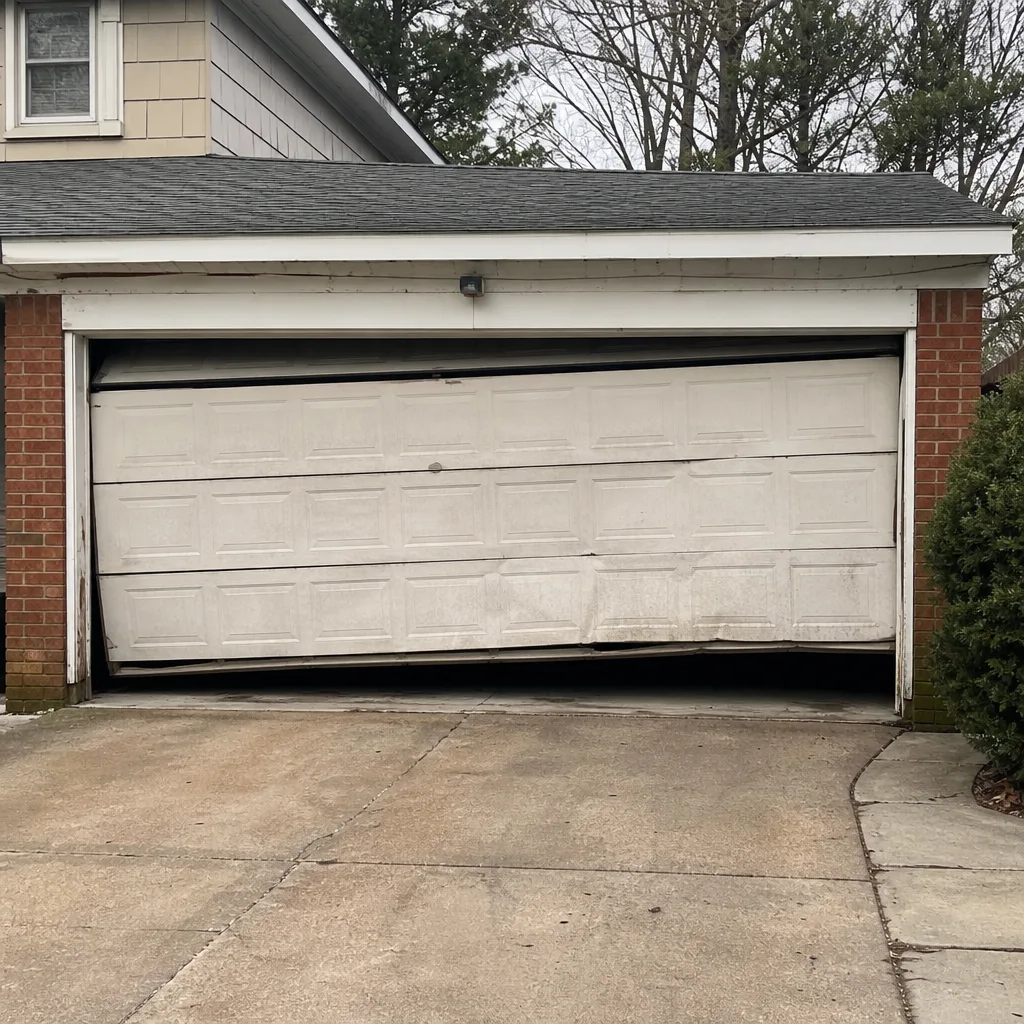 Before
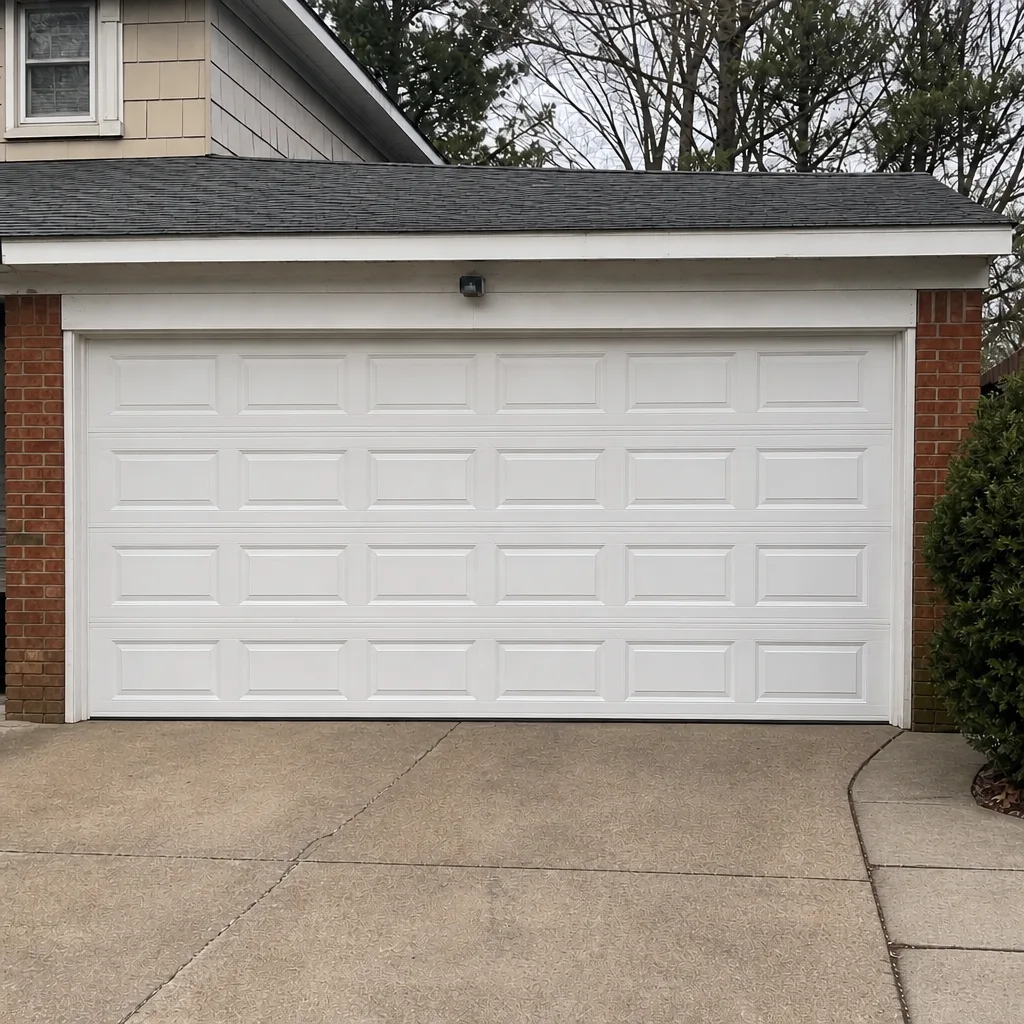 After
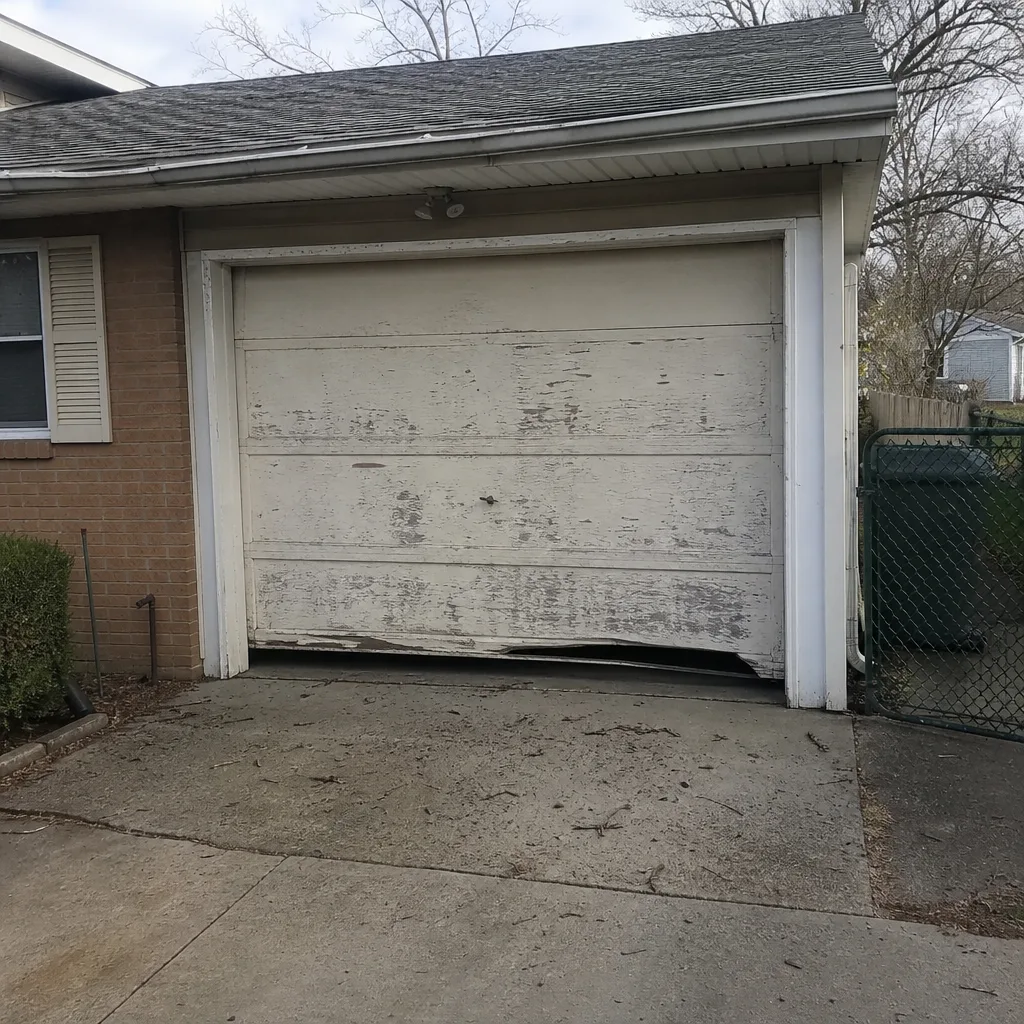 Before
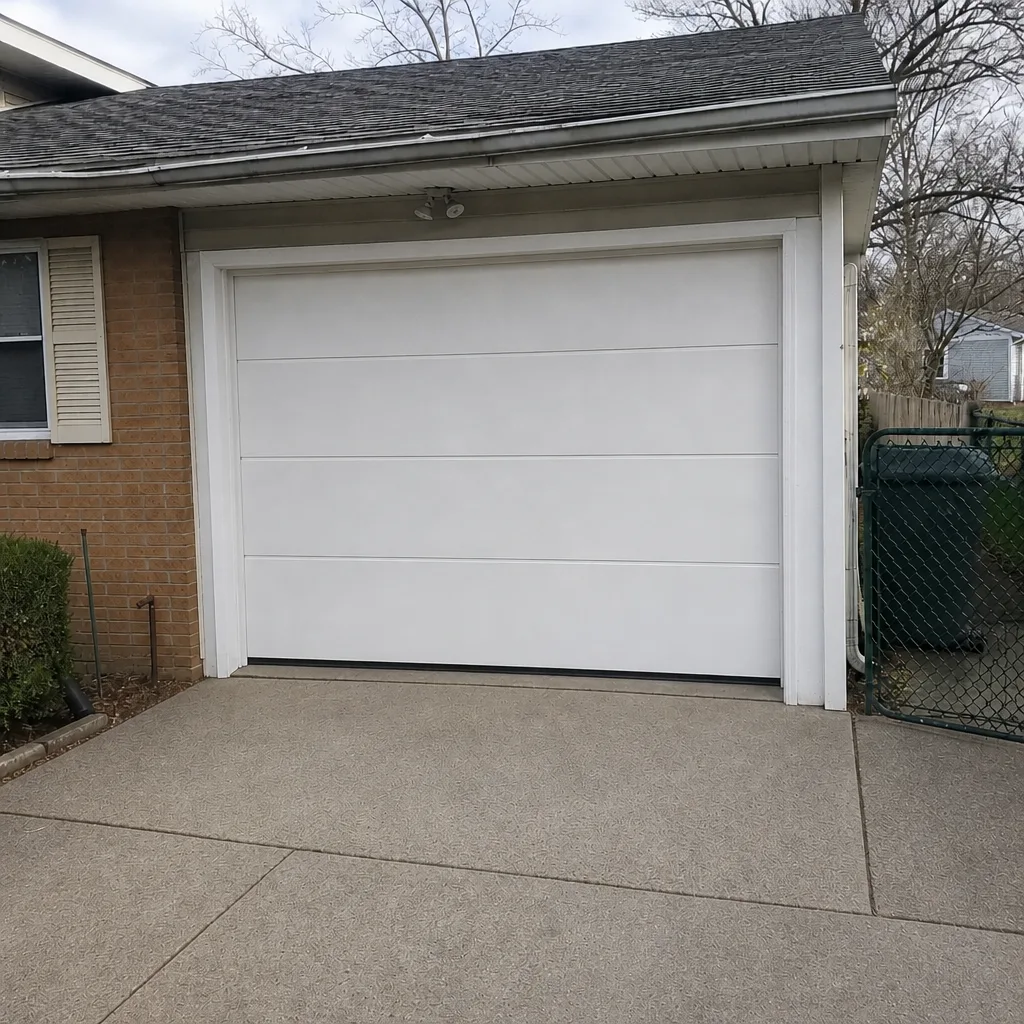 After
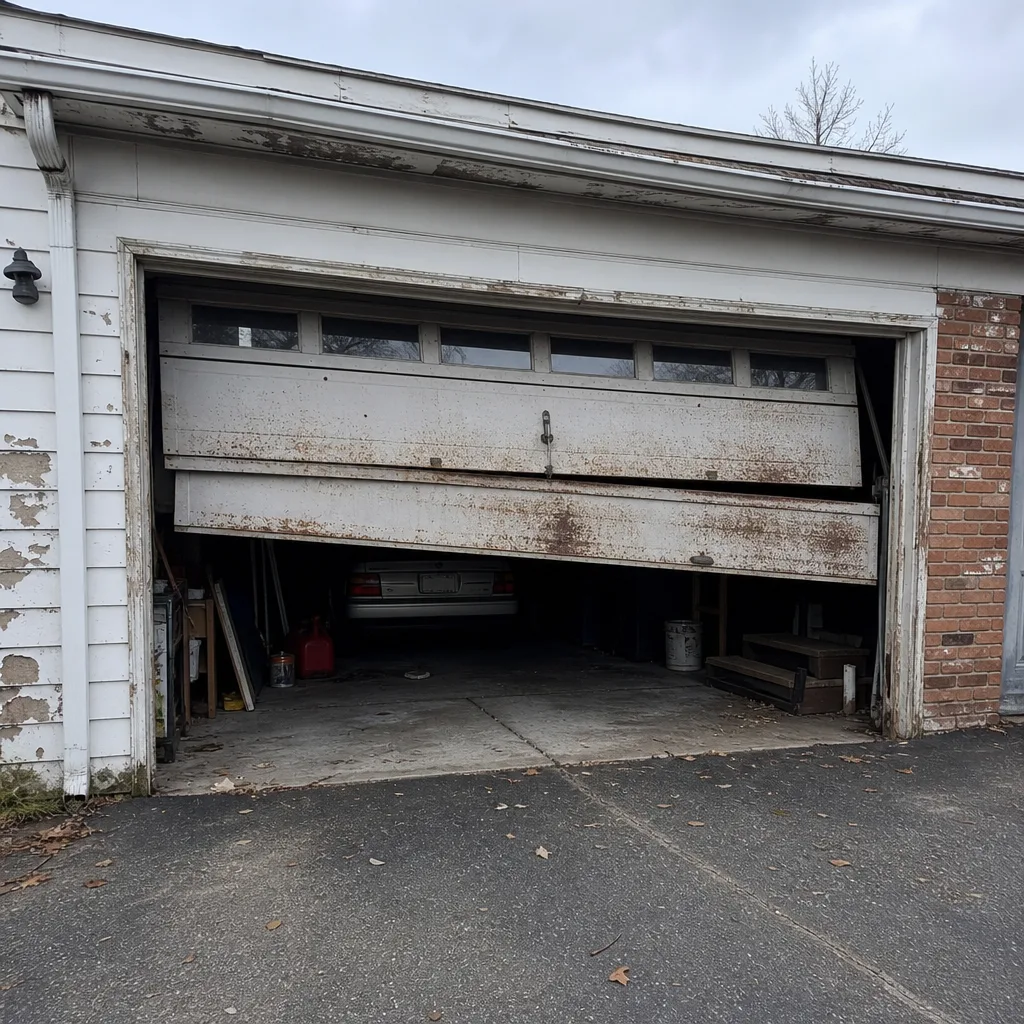 Before
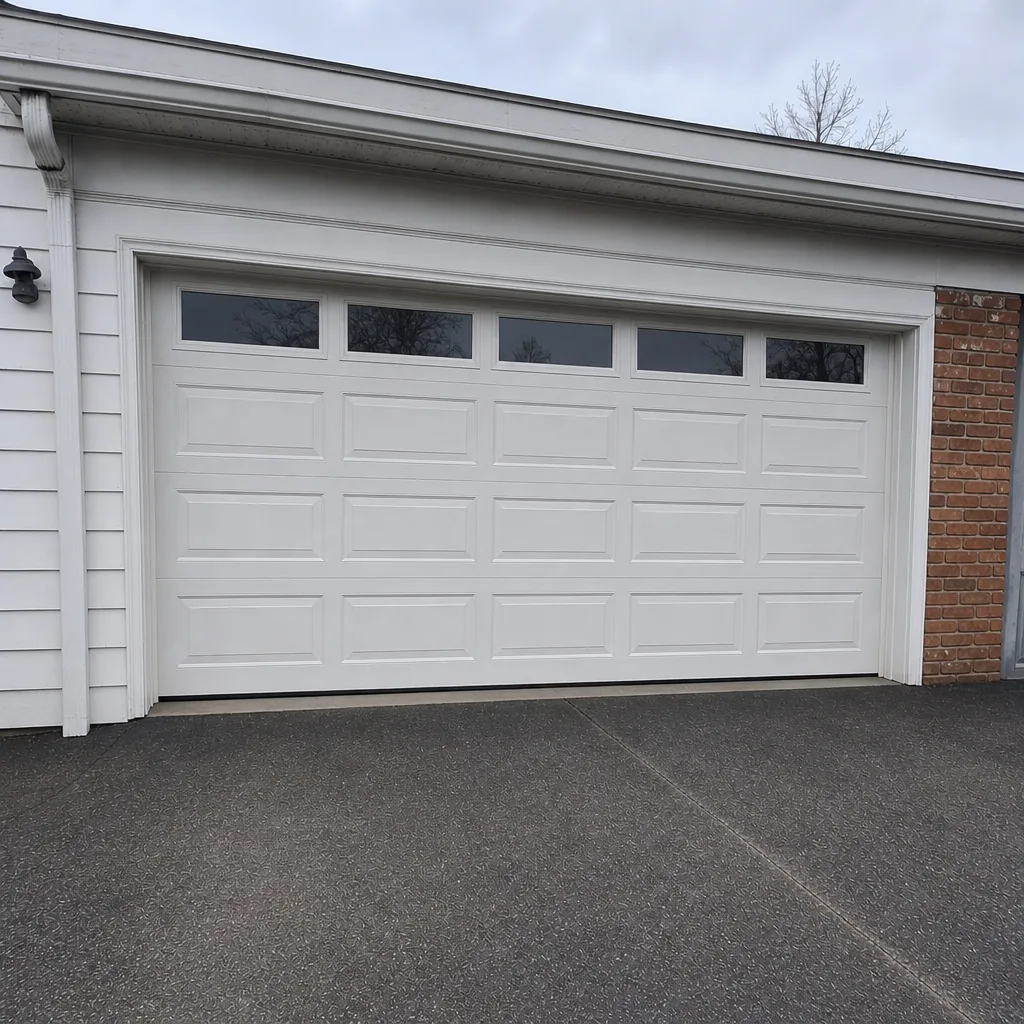 After
When to Call a Professional
Some garage door problems are genuine DIY territory: a noisy roller, a loose hinge, a sensor knocked out of alignment. Others are not. Call a professional when the door won’t open or close at all, when you hear a loud bang from the mechanism and a spring is visibly broken, when the door hangs crooked or the cable looks slack, and when the opener reverses for no reason you can find. Any spring or cable work is a trained-technician job, full stop. If the door is heavy to lift or won’t stay balanced, stop using it and get it looked at. Edison Garage Door Repair Co offers free estimates in Edison. Call (855) 658-5248. We answer 24/7. Fast dispatch from 7am to 7pm, Sunday through Friday. The price is quoted and agreed before any work starts, so you know the number before the door is touched.
Frequently Asked Questions
Spring life is measured in cycles, not years, and in a commuter household running the door 1,500 times a year, a standard spring can reach its rated life sooner than the owner expects. The freeze-thaw climate adds wear to the door and hardware, though the spring itself is mostly a function of cycles. Ask for the cycle rating when you replace a spring. Call (855) 658-5248 for an exact quote. Estimates are free.
Insulated steel is the practical default for most Edison homes, because it handles humidity and temperature swings with little maintenance and costs less than the wood-look options. Wood and composite doors suit older neighborhoods where the style calls for them, but they need periodic sealing to survive the humidity. Aluminum suits full-view glass designs but dents more easily. Call (855) 658-5248 for help matching material to your home.
A belt-drive opener is usually the quietest pick for an attached garage, and direct drive is close behind. Chain drive is durable and inexpensive but sends more vibration and noise into the house, which matters when a bedroom sits above or beside the garage. There’s no undoing a chain’s hum after installation, so choose for the house you live in. Call (855) 658-5248 to talk through the right opener for your layout.
If your home is in a planned community with an HOA, yes, check the architectural guidelines before you order. Many Edison HOAs specify color and style. If the project involves changing the opening size or structure, check with the township first. Confirm the specifics with your HOA and Edison’s building department, since requirements vary by community. Call (855) 658-5248 if you want to talk through how the approval fits the project.
No. Torsion and extension springs carry high tension, and releasing or winding them without the right tools and training can cause serious injury. This is the repair that most often goes wrong when attempted by a homeowner. Trained technicians handle spring work safely. Call (855) 658-5248 to book a technician. Estimates are free.
Repair is usually the cheaper and better call when the door itself is sound and one component has failed, like a spring, roller or opener. Replacement makes more sense when multiple parts are failing at once, the door is badly damaged, or you’re changing the style anyway. The written estimate sets the final price either way. Call (855) 658-5248 for a free estimate and a clear comparison.
The Bottom Line
Garage door decisions in Edison aren’t the same as they are in a mild climate or a low-use household. The freeze-thaw swing, the humidity, the heavy daily cycle counts and the neighborhood rules all push toward the same set of choices: insulated steel for most homes, springs rated for real use and replaced in pairs, belt-drive openers when quiet matters, and maintenance timed to the seasons. Repair usually wins when the door is sound. Replacement earns its cost when the door is at the end of its life or the look needs to change. The rest is getting the details right the first time, so the door opens quietly and closes securely for years. For repair, replacement or a new installation, our team at Edison Garage Door Repair Co is here to help, from a broken spring to a brand-new door.
For a free estimate on repair, a new opener, or a full replacement, call (855) 658-5248. We answer 24/7. Fast dispatch from 7am to 7pm, Sunday through Friday, and the price is quoted and agreed before any work starts. Whether your door needs a quick fix or a brand-new look, our team handles it with the right part, the right fix, and the first visit. Visit Edison Garage Door Repair Co to get started.
Written by the team at Edison Garage Door Repair Co.